Adaptive Optimization 2026: Complete Guide for Marketers
What is Adaptive Optimization and Why It Matters in 2026
If you're still running marketing campaigns on a fixed schedule, you're already losing ground. Adaptive optimization is the shift from that static approach to a continuous, intelligent system that learns and responds in real time.
Here's what's changed: traditional marketing treated campaigns like set-it-and-forget-it operations. You'd plan for three months, launch, and hope the strategy held up. Today's market moves faster than quarterly reviews. Consumer behavior shifts overnight. Competitors adjust daily. Standing still means falling behind.
According to Mailchimp's adaptive marketing guide, adaptive marketing enables companies to stay ahead by continuously monitoring market dynamics, analyzing consumer behavior, and adjusting their strategies in real-time. Adogy's research defines it as a dynamic approach involving continuously analyzing various marketing channels, customer behaviors, and trends.
The business case is straightforward: better ROI, lower customer acquisition costs, and higher conversion rates. When you stop guessing and start responding to actual data, everything improves. A campaign underperforming? You catch it immediately and adjust. An audience segment responding exceptionally well? You double down that day, not next month.
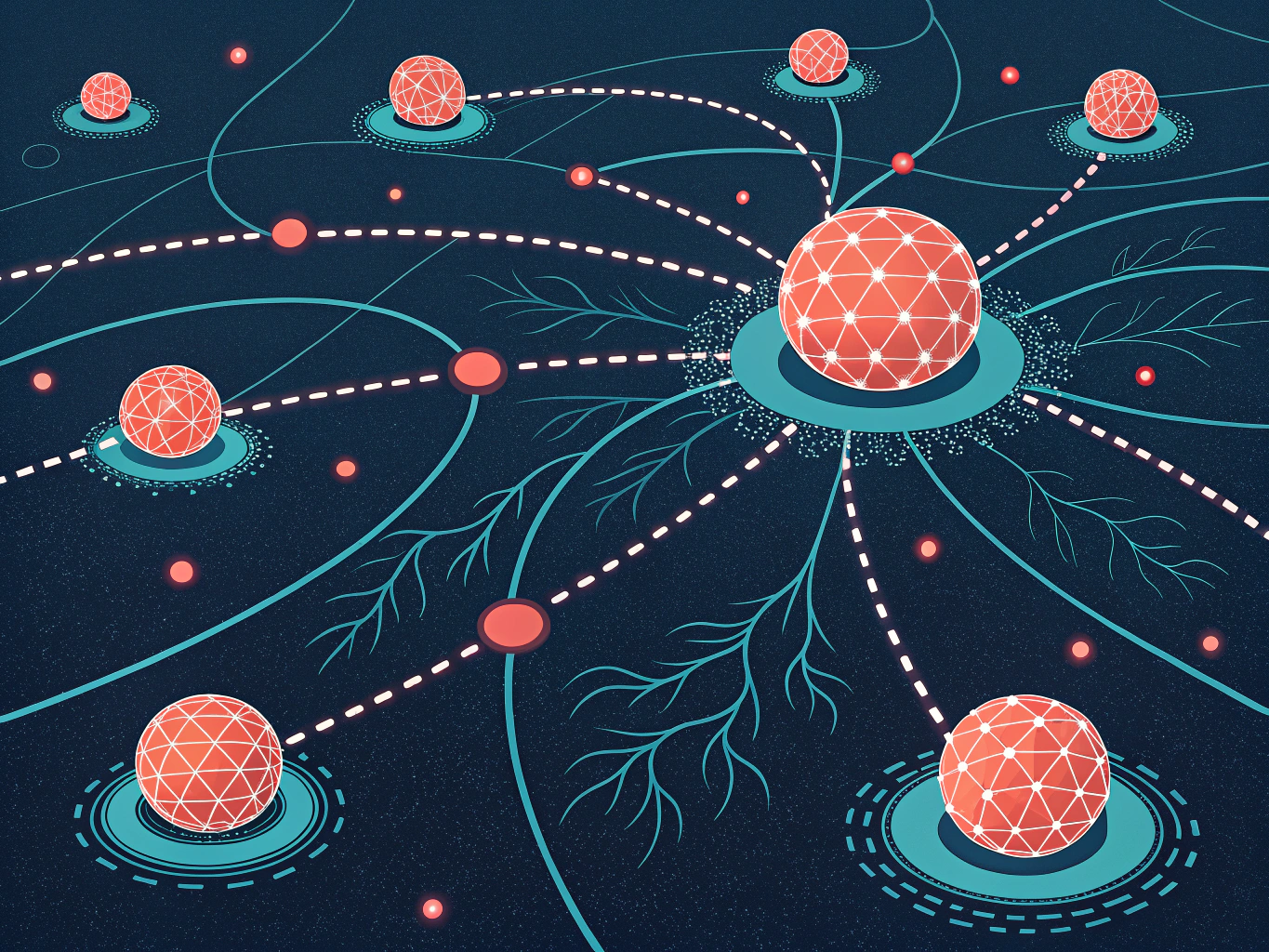
This isn't the future anymore. It's the baseline expectation in 2026. Personalization and real-time adjustment have become table-stakes for competitive advantage. The question isn't whether to adopt adaptive optimization; it's how quickly you can implement it before your competitors do.
How AI Powers Adaptive Optimization Systems
At its core, adaptive optimization relies on machine learning algorithms that process every user interaction, continuously refining predictions about what works. Unlike static campaigns that run on assumptions, these systems learn in real time. Each click, conversion, or bounce becomes training data that sharpens future decisions.
The sophistication comes from how these systems balance competing priorities. Bayesian optimization, for instance, weighs exploration against exploitation. It asks: should we test something new to discover better opportunities, or double down on what's already working? Bayesian optimization uses previous evaluation results to guide the search for optimal values, making it more efficient than exhaustive methods, which means your budget gets spent smarter than traditional A/B testing alone.
Predictive modeling takes this further by anticipating behavior before it happens. The system analyzes patterns across thousands of user signals, scoring conversion likelihood and identifying which messaging, creative, or offer resonates with specific segments. This isn't guesswork; it's probability calculated from historical data patterns.
Real-time personalization engines then activate these insights instantly. A visitor arrives, the system processes their attributes within milliseconds, and content adapts accordingly. Someone showing high purchase intent sees one experience; a price-sensitive browser sees another. With each interaction, the system learns, adapts, and refines. The more data it processes, the sharper its predictions become.
Enterprise platforms like Meta's Ax demonstrate this at scale, automating the experimentation process across thousands of variants simultaneously. Rather than waiting weeks for test results, AI transforms CRO from a manual, time-bound process into a dynamic, self-learning system. Your optimization compound over time, with each iteration building on the last. That's the real power: systems that don't just respond to data, they anticipate it.
Real-Time Personalization and Dynamic Content Optimization
Static websites are dead. Modern visitors expect experiences tailored to their specific behavior, and adaptive optimization makes this possible at scale.

Here's what this looks like in practice. A visitor lands on your homepage after searching for "budget fitness trackers." Rather than showing generic product recommendations, adaptive systems instantly modify your page to highlight affordable options, adjust your CTA from "Explore All" to "See Deals Under $100," and feature testimonials from budget-conscious buyers. The same homepage shows a completely different experience to someone arriving from a luxury brand search.
Dynamic content systems work by analyzing user intent signals: traffic source, device type, browsing history, time spent on page, and previous purchases. Dynamic content systems use predictive analytics to modify page elements like CTAs and banners based on user intent and engagement history. This enables personalized product recommendations powered by predictive analytics that actually convert, not just distract.
The real power emerges in behavior-triggered messaging. When someone abandons their cart, adaptive systems detect this instantly and serve a targeted offer at the optimal moment—not immediately, but when they're most likely to reconsider. An e-commerce client increased cart recovery by 34% simply by timing discount offers to user behavior patterns rather than sending blanket emails.
Modern user journeys are fragmented, requiring adaptive approaches across multiple touchpoints and assisted conversion paths. One visitor might convert after three touchpoints; another needs seven. Adaptive optimization tracks and optimizes each individual path, ensuring no opportunity slips through cracks.
Continuous Testing and Adaptive Experimentation
Traditional A/B testing forces you to choose a winner, then start over. Adaptive optimization flips this entirely: improvements compound, building momentum across every iteration rather than resetting after each test.
The shift from isolated tests to integrated optimization happens through multivariate testing, which simultaneously optimizes multiple variables instead of changing one element at a time. This means you're testing headline plus CTA button plus form length together, capturing interaction effects that single-variable tests miss entirely. Results accumulate faster because you're learning about combinations, not individual components in isolation.
AI accelerates experimentation by autonomously managing experiments, reallocating traffic in real time, and identifying winning variants without waiting weeks. Statistical significance becomes dynamic too; adaptive systems continuously evaluate confidence levels and shift traffic toward winning variations mid-test, rather than locking in sample sizes weeks in advance.
The practical impact is remarkable. Where traditional testing cycles take 2-4 weeks, adaptive systems iterate daily or even hourly. Your winning variant from Monday's test becomes the baseline for Tuesday's experiment. Improvements compound rather than reset after each test, creating exponential gains over quarters.
This requires automated testing infrastructure that monitors performance in real-time, triggers statistical alerts, and reallocates resources without human intervention. You're not waiting for results; you're continuously learning and adjusting. The compounding effect means your conversion rate in December reflects not one successful test, but dozens of validated improvements stacked on top of each other.
Building Your Adaptive Optimization Infrastructure
Your adaptive optimization engine needs a strong foundation, and that foundation is built on three pillars: data, technology, and people.
Start with your data architecture. You can't optimize what you can't measure. This means creating a unified data system that pulls signals from your website, email platform, CRM, social channels, and customer service tools. Fragmented data is your biggest enemy here. If your marketing automation platform can't talk to your analytics tool, you're flying blind. To successfully implement adaptive marketing strategies, businesses must create a foundation supporting flexibility and responsiveness through building a data-driven culture and investing in the right technology.
Next, invest in the right tools. Your core stack should include an analytics platform that tracks real-time behavior, a CRM system that centralizes customer data, marketing automation software that can execute dynamic campaigns, and testing platforms that enable continuous experimentation. Don't over-engineer this. Many teams get paralyzed choosing between seventeen different solutions. Pick tools that integrate cleanly and let your team actually use them.
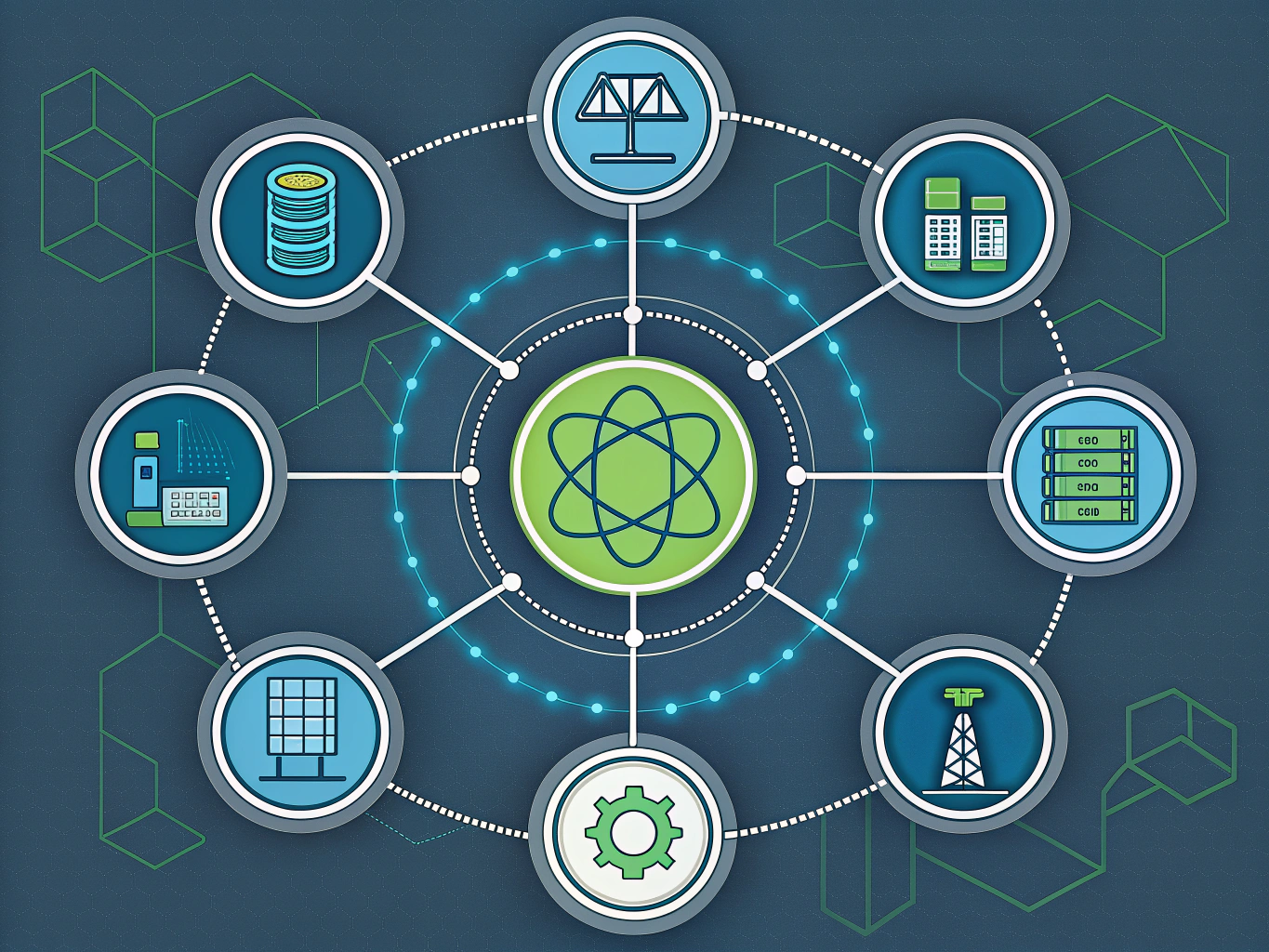
Build the right team capabilities. Your people need data literacy, not PhDs in statistics. They need to understand how to read dashboards, interpret results, and think strategically about what the data reveals. For SMBs, this might mean one person wearing multiple hats. For enterprises, you'll need dedicated data analysts, engineers, and optimization specialists working together.
The scalability question differs by size. Smaller teams should focus on one channel first, master it, then expand. Larger organizations can implement across multiple channels simultaneously but must manage organizational complexity carefully. Either way, start now. Your competitors already are.
Key Metrics and Measuring Adaptive Optimization Success
The metrics you track determine what you optimize for, and that's where most marketers go wrong. Conversion rate alone tells you nothing about profitability or customer quality. You need a metrics framework built around business outcomes, not vanity numbers.
Start with Customer Lifetime Value (CLV). This is your north star. A customer acquired at $50 who generates $500 in lifetime revenue is fundamentally different from one who spends $75 once and disappears. CLV forces you to think beyond the immediate transaction and reveals which segments actually matter to your bottom line.
Cost Per Acquisition (CPA) and Return on Ad Spend (ROAS) remain essential, but contextualize them against CLV. A higher CPA is justified if that customer cohort delivers stronger lifetime returns. This relationship is where adaptive optimization creates real competitive advantage, automatically shifting budget toward channels and audiences that deliver sustainable profitability.
Engagement metrics deserve attention too. Click-through rates, time-on-page, and content interaction patterns predict conversion likelihood before someone ever hits your checkout. These leading indicators help adaptive systems course-correct faster than waiting for conversion data.
Here's the real challenge: attribution. Most customer journeys span multiple touchpoints across weeks or months. Which interaction deserves credit for the sale? Adaptive optimization platforms handle this through multi-touch attribution models that distribute credit intelligently, but you need visibility into how your system assigns value.
Build real-time dashboards that surface these metrics together. Don't rely on monthly reports. Optimization is a continuous cycle of measurement, analysis, testing, and implementation, not a quarterly project. Your dashboard should answer one question instantly: which strategies are driving profitable growth right now?
Getting Started: Your Adaptive Optimization Roadmap
The path forward is clearer than you think. Start with Phase 1: audit your current data infrastructure. What gaps exist between where you are and where you need to be? This honest assessment takes days, not months, and prevents costly missteps later.
Move quickly into Phase 2 by implementing basic analytics and monitoring across your key channels. You don't need perfect systems; you need working systems that generate real signals about user behavior.

Phase 3 is your breakthrough moment: launch your first adaptive experiments on high-traffic pages where you'll see results quickly. These wins build internal buy-in and momentum. Then scale to personalization (Phase 4) and finally embed optimization into your company culture (Phase 5).
The biggest pitfall? Waiting for perfection. Companies that delay implementation while building "ideal" systems lose months of competitive advantage. Start messy; refine as you learn.
The businesses winning right now aren't smarter or bigger. They're moving. They're testing. They're adapting. You can join them today.
Your first step: audit your data infrastructure this week. One audit. That's all it takes to begin.
FirstSearch
FirstSearch.AI Team