AI Conversion Optimization: Boost Your Results with Smart Testing
Last Updated: April 4, 2026
Key Takeaways
- AI CRO transforms conversion optimization from manual testing into continuous, self-learning systems
- AI-driven strategies increase conversion rates by 20-50% faster than traditional methods
- Real-time personalization, automated A/B testing, and predictive analytics are core AI CRO techniques
- Top performers using AI personalization achieve 14.3% conversion rates versus 6.6% industry average
- AI tools enable teams to run 4.7x more experiments quarterly with 31% higher success rates
What Is AI Conversion Optimization and Why It Matters
AI conversion optimization represents a fundamental shift in how businesses improve their digital performance. Rather than relying on manual A/B testing and guesswork, AI CRO uses machine learning algorithms to identify conversion friction points, automatically prioritize experiments, and deliver personalized experiences at scale. Unlike traditional CRO, which demands months of manual analysis and testing cycles, AI systems learn continuously from user behavior, making real-time adjustments that compound results over time.
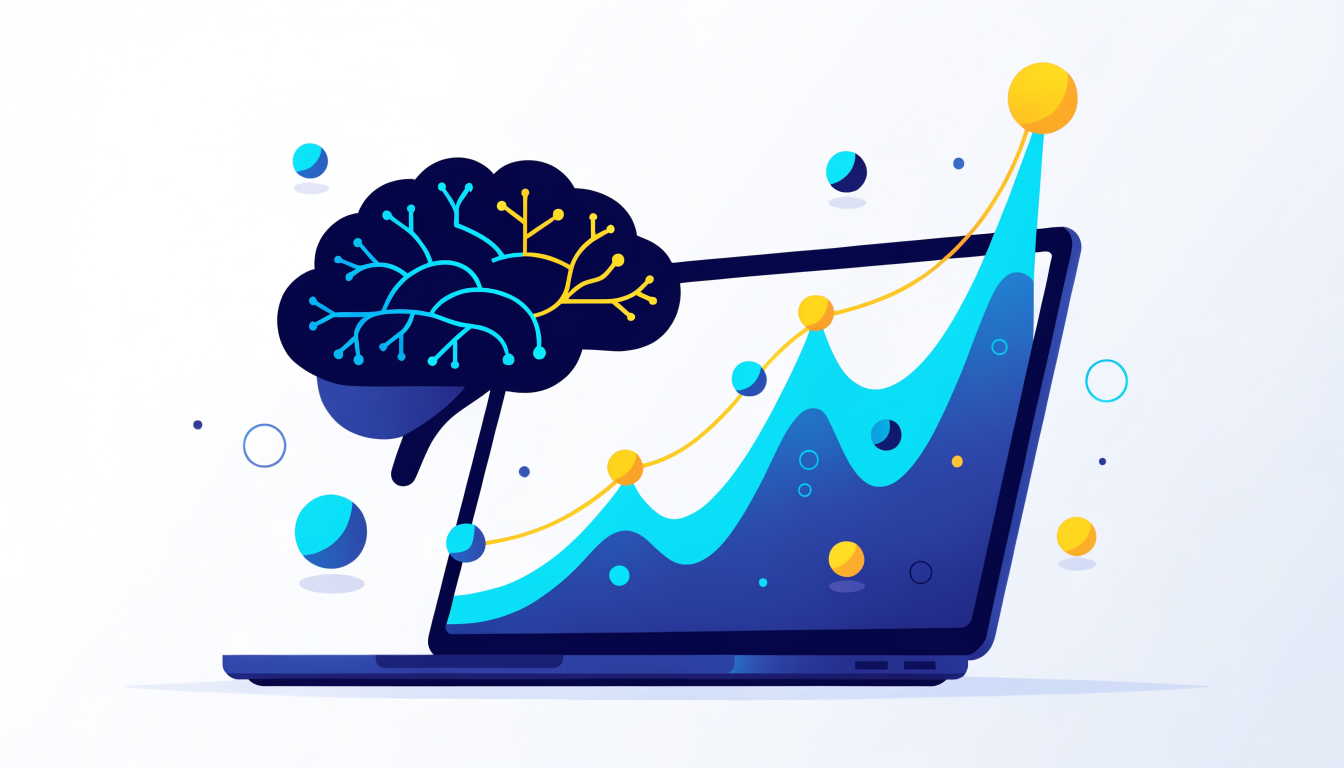
The adoption numbers tell the story. 84% of marketers are already using or planning to use AI in marketing, and those embracing AI-driven CRO are pulling ahead of competitors who cling to legacy methods. In 2026, waiting for quarterly testing reports isn't just slow; it's a competitive liability.
Your competitors aren't standing still. Every day without AI-powered optimization means missed revenue, wasted traffic, and opportunities handed to faster-moving brands. The businesses winning right now aren't the ones testing one variable at a time. They're the ones letting AI handle the heavy lifting: analyzing thousands of micro-interactions, spotting patterns humans would miss, and optimizing conversion paths before you finish your morning coffee. The question isn't whether AI CRO is worth it anymore. It's whether you can afford to ignore it.
How AI Conversion Optimization Works: The Core Mechanisms
AI conversion optimization works through interconnected systems that process vast amounts of user data and respond in real time. Here's how the core mechanisms function together.
Predictive Analytics and Pattern Recognition
AI systems analyze thousands of data points in seconds, identifying patterns humans would miss. AI systems can process thousands of data points in seconds, flagging bottlenecks before they become major problems. The system learns which visitor characteristics correlate with conversions, purchases, or drop-offs, then uses those patterns to predict future behavior with increasing accuracy.
Real-Time Personalization
Rather than showing every visitor the same experience, AI delivers customized content instantly. AI enables real-time personalization by predicting what each visitor is most likely to engage with using past behavior and predictive analytics. A first-time visitor from mobile might see a simplified checkout flow, while a returning customer sees product recommendations based on their browsing history. These micro-adjustments happen in milliseconds.
Automated Testing and Continuous Optimization
Traditional A/B testing requires you to choose variants and wait weeks for results. AI automates this process, continuously testing variations and reallocating traffic toward winning versions. The system doesn't just run static tests; it learns which elements matter most for different user segments and optimizes accordingly.
Behavior Pattern Recognition
AI detects friction points most analytics dashboards miss. It notices when users hesitate at certain form fields, abandon carts at specific steps, or spend unusual time on particular pages. These signals trigger targeted interventions: simplifying a form, adjusting copy, or offering timely incentives.
The Learning Loop
With each interaction, the system learns, adapts, and refines predictions leading to steadily higher conversion rates. With each interaction the system learns and adapts. AI-driven marketing increases conversion rates by 20% on average, according to research. This compounding improvement means your optimization engine gets smarter every single day.
Key AI CRO Techniques That Drive Results
AI conversion optimization works because it attacks your bottlenecks with surgical precision. Here's what actually moves the needle.
Hyper-personalization is the heavyweight champion of conversion techniques. Dynamic content that adapts to each visitor's behavior, location, and purchase history outperforms generic messaging by significant margins. With personalized CTAs performing 202% better than generic versions, this isn't theoretical. AI systems analyze visitor patterns in real-time and serve the right message to the right person instantly. McKinsey research shows personalization lifts revenue by 5-15%, which compounds quickly across your customer base.
Automated A/B and multivariate testing eliminates guesswork from optimization. Rather than running tests manually and waiting weeks for statistical significance, AI algorithms test hundreds of variations simultaneously and reallocate traffic to winners automatically. This means you're not splitting visitors equally between a losing variant and a winner; the system learns and adjusts in real-time.

AI chatbots handle visitor questions 24/7 without human intervention. Research from Drift demonstrates chatbots convert 10-30% more visitors compared to static forms, because they provide instant answers and guide prospects toward purchase decisions conversationally.
Predictive intent scoring identifies which visitors are most likely to convert before they even realize it themselves. AI analyzes browsing patterns, time spent on pages, and interaction sequences to flag high-intent prospects. Your sales team focuses energy on warm leads instead of cold outreach.
Advanced heatmap and session analysis powered by AI reveals exactly where visitors hesitate, click, and abandon. Instead of manually reviewing thousands of sessions, the system identifies patterns automatically and surfaces actionable insights about friction points in your funnel.
These techniques work together. Personalization attracts attention, chatbots answer objections, automated testing finds what works, and predictive scoring ensures your team closes the right deals. That's how you move from incremental improvements to transformational results.
Real-World Results: How AI CRO Drives Business Growth
The numbers speak for themselves. Companies implementing AI-driven conversion optimization are seeing results that traditional testing simply can't match. Leading brands using AI personalization achieve conversion rates of 14.3%, compared to the industry average of around 2-3%. That's not incremental improvement; that's transformation.
Consider the velocity advantage. AI-assisted teams run 4.7x more experiments quarterly with 31% higher success rates than those relying on manual A/B testing alone. Instead of running one or two tests monthly, you're testing dozens of variations simultaneously, learning faster and iterating quicker.
Real businesses across different sectors are proving this works in practice. A B2B SaaS firm increased conversions from 2.4% to 6.1% using AI testing, transforming their hero headline through automated variant generation. That's a 154% lift in just weeks. Meanwhile, a Singapore accounting firm increased form submissions by 24% using AI personalization by letting AI optimize their CTAs in real time based on visitor behavior.
The efficiency gains extend beyond conversion rates. AI handles the heavy lifting of hypothesis generation, statistical analysis, and ongoing optimization. Your team shifts from manually tweaking pixels to strategically interpreting insights and scaling what works. For SaaS companies managing multiple user segments, eCommerce sites with thousands of SKUs, and B2B firms with complex sales funnels, this matters enormously. You're not choosing between speed and accuracy anymore; AI delivers both. The question isn't whether AI CRO works. It's how quickly you can implement it.
Getting Started: Implementing AI Conversion Optimization
The path to AI conversion optimization starts with honest assessment. Before implementing any tool, audit your current performance. Pull your analytics data: where are visitors dropping off? Which pages have the highest bounce rates? What actions do you want users to take, and how many actually complete them? This baseline matters because you can't improve what you don't measure.
Next, identify your specific friction points. Are cart abandonment rates your problem, or is it form completion? Is your homepage failing to engage visitors in the first ten seconds? Does your checkout process feel clunky? 89% of business leaders prioritize personalization strategies, which means your audience expects tailored experiences. AI tools can help deliver this at scale.
Selecting the right tool depends on your current stack. If you're already using Google Analytics, start there; many AI CRO platforms integrate seamlessly with existing analytics. For SMBs, look for solutions offering heatmaps, session recordings, and basic personalization without overwhelming complexity. Enterprises should prioritize platforms supporting advanced segmentation and API integrations.
Quick wins exist everywhere. Start with AI-powered heatmaps to visualize user behavior, then test obvious changes: button color, copy clarity, form field reduction. These deliver results fast. Simultaneously, build long-term strategy by implementing continuous testing protocols where AI learns from each experiment, gradually refining what works.
The real power emerges when optimization becomes cultural. Train your team to trust data over assumptions. Celebrate small improvements. Track not just conversion rates but also revenue per visitor and customer lifetime value. This mindset shift transforms CRO from a one-time project into an engine driving sustainable growth.
Common Questions About AI Conversion Optimization
How much improvement can I expect from AI CRO?
Results vary based on your current baseline and implementation quality, but the potential is substantial. Some experiments see conversion rate increases of 50-100%, though most businesses experience more modest gains of 10-30% within the first few months. The key is that AI continuously learns from your data, meaning improvements often compound over time rather than plateau.
Is AI CRO suitable for small businesses?
Absolutely. In fact, smaller teams benefit most from AI automation since you're competing against larger companies with bigger budgets. Many AI tools offer free or affordable pricing tiers designed for SMEs, making sophisticated optimization accessible without enterprise-level investment.
How long does it take to see results?
You'll typically notice early signals within 2-4 weeks, but meaningful, statistically significant improvements usually emerge after 6-8 weeks of consistent data collection. Patience matters here; AI needs sufficient traffic and interaction data to identify genuine patterns.
Do I need technical expertise?
Modern AI CRO platforms are built for non-technical users. Most require no coding knowledge; you can set up experiments through intuitive dashboards and let the AI handle the heavy lifting.
How does AI CRO differ from traditional A/B testing?
Traditional testing requires you to form hypotheses and manually run one test at a time. AI CRO automates hypothesis generation, tests multiple variations simultaneously, and adapts in real-time based on visitor behavior. This eliminates the hidden costs of slow decisions and missed insights that plague manual approaches.
Transform Your Conversions With AI-Powered Optimization
The competitive landscape has shifted. Sites leveraging AI conversion optimization are pulling ahead, while those relying on manual testing and guesswork fall further behind. This isn't hyperbole; AI-driven marketing increases conversion rates by 20% on average, and that gap continues widening as technology advances.
The question isn't whether you should adopt AI CRO. It's how quickly you can implement it before your competitors do.
What makes this moment different is accessibility. You no longer need massive budgets or specialized teams to harness AI's power. Modern platforms combine intelligent testing, real-time personalization, and data-driven insights into tools anyone can use. The integration of AI conversion optimization with your overall SEO strategy creates a multiplier effect, where traffic improvements and conversion gains reinforce each other.
Start small but start now. Pick one critical page or funnel step where improvements matter most. Let AI analyze user behavior, test variations automatically, and identify winning patterns. Watch your conversion rates climb while you focus on strategy rather than spreadsheets.
The sites winning today aren't the ones with the most traffic. They're the ones converting that traffic most effectively. Your competitors are already moving. The real question is: how long will you wait before joining them?
Your next step is simple: explore how integrated AI optimization can transform your results. The data is clear, the tools are ready, and the time to act is now.
FirstSearch
FirstSearch.AI Team