AI Driven SEO Insights: The Ultimate 2026 Guide
Last Updated: February 6, 2026
TL;DR: AI Driven SEO Insights at a Glance
- AI-driven SEO creates dual-search reality: traditional rankings plus AI-generated answers
- 83% of searches now result in zero-click AI responses; visibility depends on AI trust
- Entity authority and topical depth matter more than keyword density or repetition
- AI tools automate research, optimization, and analytics; humans handle strategy and trust
- Earn AI citations through credibility, structured data, and omnichannel presence
Table of Contents
- What Are AI Driven SEO Insights and Why They Matter in 2026
- The Dual-Search Reality: Traditional SEO Meets AI-Generated Answers
- How AI Analyzes SEO Data: From Keywords to Entity Authority
- 5 Key AI SEO Insights That Change Your Strategy
- AI Tools for SEO Insights: What Actually Works in 2026
- Frequently Asked Questions About AI Driven SEO Insights
- Key Takeaways: Your AI Driven SEO Insights Action Plan
- The Future of SEO Is AI-Driven: What's Next?
What Are AI Driven SEO Insights and Why They Matter in 2026
AI-driven SEO insights represent the intersection of machine learning analytics and search optimization strategy, and frankly, understanding them is no longer optional for competitive brands. This isn't about replacing traditional SEO; it's about evolving it to match how search itself is fundamentally changing.
For a decade, SEO meant one thing: rank for keywords on Google's ten blue links. That era is over. SEO is entering the most significant transition since Google became the dominant search engine, and the shift is accelerating now, not someday. 2026 has officially marked the "Great Transition" in search from the era of the "Ten Blue Links" to AI-driven search, meaning every brand now operates in a dual-search environment: traditional SERPs plus AI answer engines generating their own responses.
Here's what changed: AI-driven SEO uses machine learning to analyze vast amounts of data with unprecedented speed and accuracy, uncovering patterns in user behavior that manual analysis simply cannot detect. You're no longer optimizing for a search algorithm; you're optimizing for AI systems that understand context, intent, and relevance in ways that transcend keyword matching.
The practical implication is urgent. AI insights enable real-time optimization and predictive decision-making impossible with traditional methods. You can now anticipate what your audience searches for before they search it, adjust content dynamically, and measure impact across both traditional and AI-generated visibility.
The brands winning in 2026 aren't debating whether AI-driven insights matter. They're already using them.

The Dual-Search Reality: Traditional SEO Meets AI-Generated Answers
Search isn't singular anymore. That's the core reality reshaping SEO in 2026.
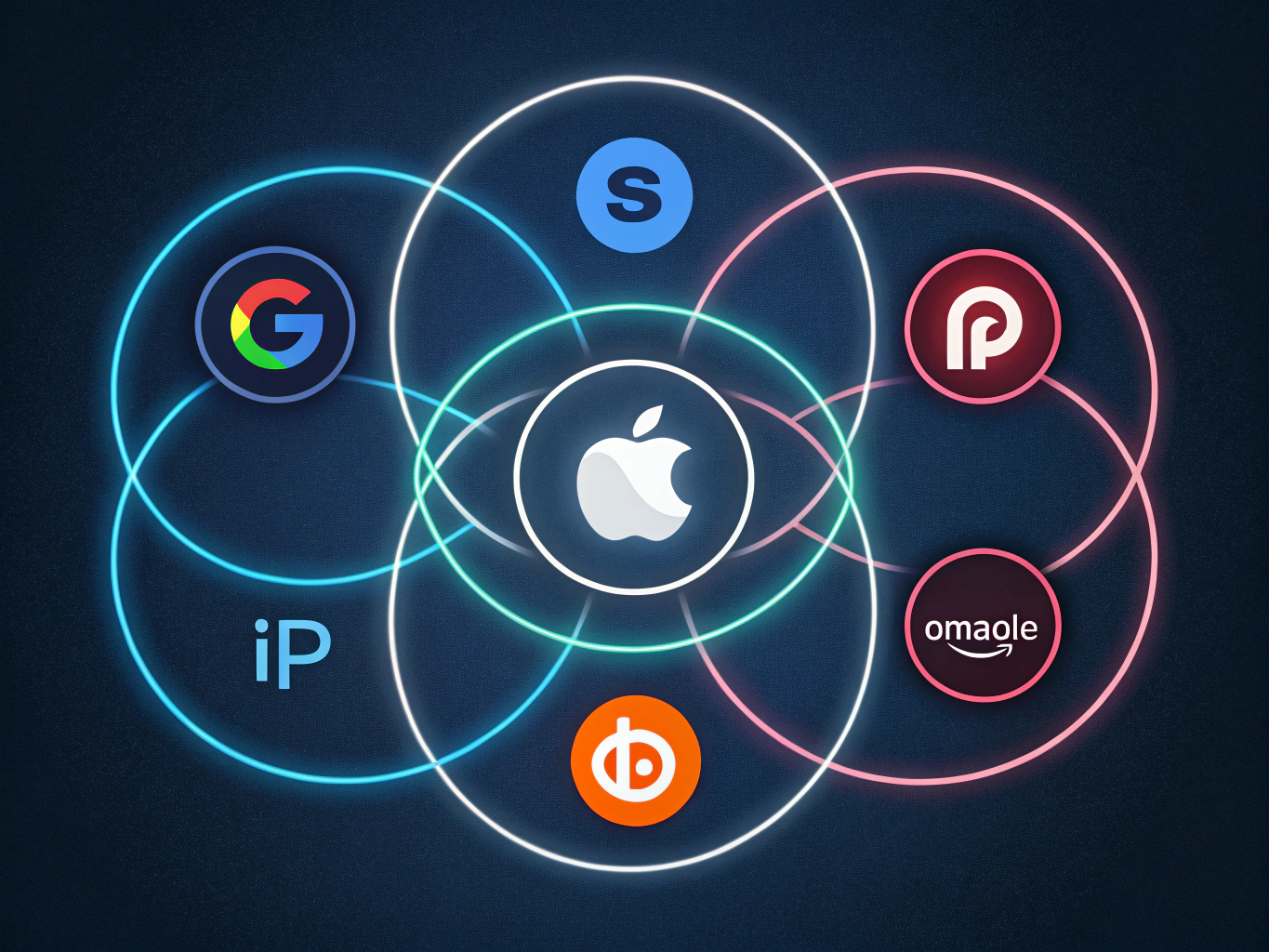
Your audience no longer follows a predictable path: search query to Google results to click. Instead, they're fragmenting across platforms based on what they need. Someone researching market trends might ask Perplexity. Another person seeking product recommendations hits Amazon. A third wants real human experience, so they go straight to Reddit. ChatGPT handles synthesis. Google handles... well, increasingly less than it used to.
The numbers tell this story clearly. Industry benchmarks show 83% of searches now result in zero-click AI responses, where users get their answer directly from an AI Overview without clicking through to your site. That's not a minor shift; it's a fundamental restructuring of how visibility works.
With search fragmenting across platforms like Perplexity, ChatGPT, and Reddit, the old hierarchy of "rank on Google and win" has collapsed. Your content might be perfectly optimized for traditional rankings and still invisible where your customers actually search.
What makes this urgent: AI systems don't just retrieve answers anymore; they generate them. Your content's value now depends on whether these systems understand it, trust it enough to cite it, and believe it answers the question better than alternatives. That's a completely different optimization challenge.
As multimodal search becomes standard across platforms, combining text, voice, image, and video in single queries, the surface area for visibility expands and contracts simultaneously. More opportunities exist, but they demand presence across multiple formats and platforms.
Brands that succeed in 2026 aren't choosing between traditional SEO and AI-driven discovery. They're optimizing for both environments at once, understanding that search success now means being visible where answers are generated, not just where links are ranked.
How AI Analyzes SEO Data: From Keywords to Entity Authority
Think of traditional SEO like optimizing a résumé for a keyword scanner. You'd repeat "marketing manager" as many times possible, hoping the system caught it. Modern AI-driven SEO works completely differently. Instead of counting keywords, AI systems understand context, relationships, and authority.
Machine learning algorithms identify patterns, trends, and correlations within massive datasets, uncovering insights about user behavior and search intent that humans would never spot manually. Rather than fixating on keyword density, these systems evaluate whether your content genuinely answers user questions and demonstrates topical authority.
Here's the shift: recent studies from over 1,500 search results show no correlation between keyword density and high rankings. In fact, top-ranking pages often have lower keyword density. This reflects a fundamental change in how search engines evaluate content.
Instead, AI prioritizes entity authority. Google AI prioritizes entities over individual URLs, meaning your brand must be clearly understood as a topical authority, not just a collection of optimized pages. This is why semantic variety matters more than exact keyword matching. AI looks for related concepts, synonyms, and contextual depth that signal comprehensive understanding.
AI also evaluates content reusability. Can your insights be extracted and repurposed for AI-generated responses? Can they serve multiple formats and contexts? This represents a critical shift from "ranking a page" to "establishing authority that benefits multiple discovery channels."
The technical mechanics here are sophisticated. AI systems recognize which entities connect to your topic, what questions your audience actually asks, and whether your content structure allows easy extraction of key insights. It's less about gaming a system and more about creating genuinely authoritative, well-organized content.
This transition requires rethinking your entire content strategy, from research methodology to content architecture itself.
5 Key AI SEO Insights That Change Your Strategy

1. Build Topical Authority, Not Single-Keyword Pages
Stop chasing individual keywords. AI algorithms seek topical authority and deep subject understanding, meaning they evaluate whether you genuinely understand a subject and how its concepts connect. Create comprehensive clusters around core topics. If you're covering "project management," connect it to team dynamics, resource allocation, timeline management, and risk mitigation. AI systems recognize this interconnected knowledge and rank you higher than competitors with fragmented content.
2. Structure Content for AI Extraction
AI systems don't just read your content; they extract it. AI prefers content structured for easy extraction and reuse, so format for clarity. Use short paragraphs, bullet points, and clear definitions. Include direct answers upfront. When AI can cleanly pull your insights for zero-click results, you gain visibility across multiple platforms, from search summaries to chatbot responses.
3. Establish Entity Trust Through Credentials and Proof
AI platforms trust established experts over unknown sources. Publish author bios with credentials, add case studies with measurable results, and maintain consistent brand presence across platforms. Link your author profiles to verified credentials. The more AI systems see you as a recognized authority, the more likely they'll cite and recommend your content.
4. Optimize for Conversational Queries
Users asking AI are asking differently. Conversational AI queries are significantly longer and more specific, averaging five times longer than traditional searches. Instead of "SEO tips," expect "How do I optimize my B2B SaaS website for AI-powered search engines without losing traditional ranking power?" Target these longer, intent-rich queries with detailed, nuanced content.
5. Earn Citations Through PR and Earned Media
Your press coverage now directly impacts AI visibility. 34% of AI citations come from PR-driven coverage, with another 10% from social channels. Invest in earned media and strategic partnerships. When major publications mention your research or insights, AI systems pick up these citations as trust signals. This shift means SEO success increasingly depends on your reputation beyond your website.
AI Tools for SEO Insights: What Actually Works in 2026
The most effective AI-powered SEO tools share one critical characteristic: they anchor AI interpretation to real, verified SEO data rather than relying on language models prone to hallucination. This distinction separates tools that actually improve your strategy from those that simply sound impressive.
Platforms like Ahrefs and Semrush lead the category because they've integrated AI analysis directly into their existing data infrastructure. Ahrefs' Link Intent feature, for example, helps understand why sites link to you, moving beyond simple link counts to reveal motivation and trustworthiness signals that matter to AI systems. This represents a meaningful evolution from traditional competitive analysis.
For content optimization, Surfer SEO stands out because it doesn't force you to choose between traditional and AI search. The platform integrates optimization for both traditional and AI search within a single workflow, acknowledging the reality that your visibility depends on performing well across multiple discovery channels simultaneously.
The emerging essential metric in 2026 is AI visibility tracking. You need to monitor how your content appears in ChatGPT, Perplexity, Google AI Overviews, and similar systems. This isn't optional anymore; it's foundational to understanding your actual search visibility.
What separates working tools from overhyped ones comes down to three factors: data integration that prevents hallucination, real-time insights you can act on immediately, and automation that handles repetitive work without replacing your strategic judgment. When AI enhances human expertise through intelligent automation, that's when you see measurable results.
Tool selection ultimately depends on your specific gaps. A content team needs different capabilities than a technical SEO specialist. The key is choosing tools that give you better insights faster, not tools that promise to eliminate the need for human expertise.
Frequently Asked Questions About AI Driven SEO Insights
Is AI replacing SEO?
Not at all. AI is not replacing traditional SEO; it's built on top of it. The fundamentals you've invested in, keywords, structure, quality content, still matter. What's changing is how visibility works. Instead of ranking in a ten-blue-links format, your content now needs to earn citations in AI-generated answers, summaries, and recommendations.
How do I measure visibility in AI answers?
Traditional rankings don't tell the whole story anymore. Track AI visibility using dedicated monitoring tools that capture where your content appears in generative search results and AI summaries. Monitor citation frequency, not just position. Are AI systems consistently pulling from your pages? That's your real signal.
Does traditional SEO still matter?
Absolutely. Clear structure, trusted content, and high-quality data are what enable AI systems to understand and surface your brand with confidence. Without solid SEO foundations, AI systems can't extract or trust your information.
How do I build trust with AI systems?
Establish undeniable authority in your niche. Publish consistently, cite credible sources, display credentials prominently, and maintain brand consistency across channels. The future isn't about tricking algorithms; it's about becoming the authority that the algorithm must cite.
What should I do first?
Audit your content for AI extraction potential. Can generative systems easily pull actionable information from your pages? Build topical authority by creating comprehensive, interconnected content that covers your expertise deeply. Then, optimize for clarity and trustworthiness.
The shift is real, but it's evolution, not revolution.
Key Takeaways: Your AI Driven SEO Insights Action Plan
Here's your action plan to move from traditional SEO into AI-driven visibility:
Step 1: Audit for AI Extraction Review your top 50 pages. Can an AI system pull clear, direct answers from your content? Rewrite sections that bury the answer in prose. AI systems reward specificity and structure.
Step 2: Build Topical Authority Stop chasing individual keywords. Instead, map out clusters of related topics and create comprehensive content that establishes you as an authoritative source. This signals expertise to both AI systems and human readers.
Step 3: Implement Structured Data Add schema markup across your site. Product schema, FAQ schema, author schema, organization schema. This is how AI systems understand your content's context and relevance.
Step 4: Earn Media Coverage PR coverage drives 34% of AI citations. Pitch journalists, contribute expert commentary, get quoted in industry publications. AI systems track earned media as a trust signal.
Step 5: Monitor AI Visibility Add AI search performance to your analytics dashboard alongside traditional rankings. Track which queries appear in AI overviews, which drive traffic, which you're missing entirely.
Step 6: Strengthen E-E-A-T Signals Publish author bios with credentials, showcase expertise through original research, build genuine authority signals. AI systems increasingly differentiate based on who's behind the content.

The SEO winners in 2026 won't be those clinging to ranking reports. They'll be the ones who've already shifted their thinking toward AI visibility, topical depth, and genuine authority. You now have the roadmap. The question is: will you move first?
The Future of SEO Is AI-Driven: What's Next?
The SEO landscape of 2026 won't be about rankings anymore; it'll be about relevance at machine speed.
Voice search and conversational queries are reshaping how people find information. AI-powered Natural Language Processing will play a crucial role in optimizing content for voice search, meaning your strategy needs to account for how people actually talk, not just type.
Predictive analytics changes everything. Rather than reacting to algorithm updates, you'll anticipate them. AI-driven predictive analytics will enable you to anticipate changes in search engine algorithms, user behavior, and industry trends with greater accuracy, giving you weeks or months of competitive advantage before your competitors catch on.
The real shift is happening in commerce and conversions. Zero-click answers are expanding beyond simple queries into complex product decisions, recommendations, and transactions. Brands that master AI-driven insights now will dominate organic visibility by capturing these moments before they even reach a traditional search result.
Here's what matters: the organizations winning in 2026 won't choose between AI speed and human strategy. They'll combine both. AI handles the data processing, pattern recognition, and optimization at scale; your team focuses on intent, creativity, and competitive positioning.
The time to start isn't next year. It's now. Review your current optimization approach, audit your content against conversational intent, and begin experimenting with predictive analytics tools. Your future visibility depends on decisions you make today.
FirstSearch
FirstSearch.AI Team