AI Powered Site Audits: What to Expect in 2026
What Are AI Powered Site Audits and Why They Matter in 2026
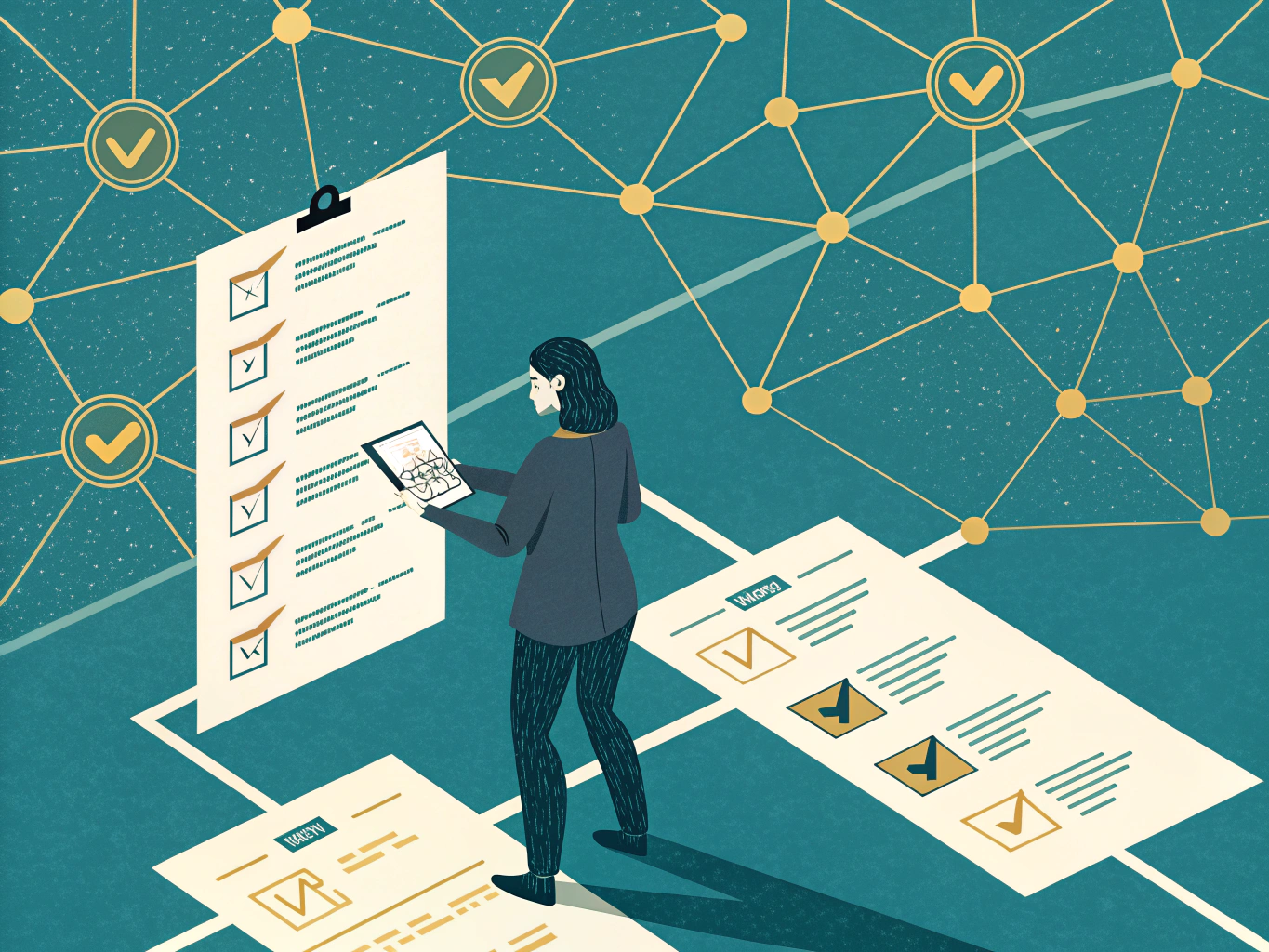
An AI powered site audit isn't your grandfather's checklist. Instead of spending weeks manually crawling through pages, checking meta tags, and hunting for broken links, machine learning algorithms now scan your entire website in minutes. These systems use natural language processing and autonomous intelligence to identify SEO problems, content gaps, and technical issues you'd likely miss in a traditional audit.
Here's what's changed: where manual audits were reactive snapshots taken every few months, AI audits run continuously, adapting to algorithm shifts and spotting patterns humans simply can't process at scale. 73% of consumers now encounter AI-generated search results before making purchasing decisions, which means your website's visibility strategy needs to account for how AI systems see and rank your content.
This isn't optional anymore. By 2026, businesses that rely on traditional auditing methods are already falling behind competitors using autonomous analysis. The shift from manual to intelligent automation isn't coming; it's happening now. Your website exists in an environment fundamentally shaped by AI visibility requirements, and understanding how AI audits work has become as essential as understanding SEO itself.
If you're a digital marketer, SEO specialist, or business owner responsible for online performance, this shift directly impacts your strategy. The question isn't whether to adopt AI auditing; it's whether you'll do it proactively or reactively.
How AI Site Audits Work: The Technology Behind the Intelligence
Think of traditional website audits like a snapshot taken once a month. You hire someone, they run a checklist, they send a report, and then nothing happens until next time. AI site audits work completely differently.
AI audits leverage machine learning, natural language processing, and automated crawling to perform deep and comprehensive review. Rather than following a static script, these systems continuously scan your entire website, analyzing technical health, content quality, user experience, and how search engines and AI agents interact with your pages. The key difference: they never stop working.
This is where agentic AI enters the picture. AI agents work continuously without human prompting, automatically scanning page structures and assessing content quality. You don't need to trigger audits manually. The system operates autonomously, identifying issues in real time, predicting problems before they impact performance, and recommending fixes without waiting for human instruction.
Here's what makes this powerful: AI processes massive datasets instantly while maintaining perfect consistency. A human auditor might miss a pattern across 500 pages; an AI system catches it across 50,000. Agentic AI audits evaluate how AI agents can discover, access, and utilize website content, with AI agents actively interacting with content in ways that matter for both search visibility and user experience.
The result is dimensional analysis that goes far beyond traditional tools. Instead of checking boxes, AI understands context: whether your content actually answers user intent, how your site performs under real-world conditions, and where optimization will have the biggest impact.
This shift from manual reviews to autonomous intelligence isn't coming in 2026. It's happening now, and teams adopting these tools are already pulling ahead.
Key Features of Modern AI Site Audits in 2026
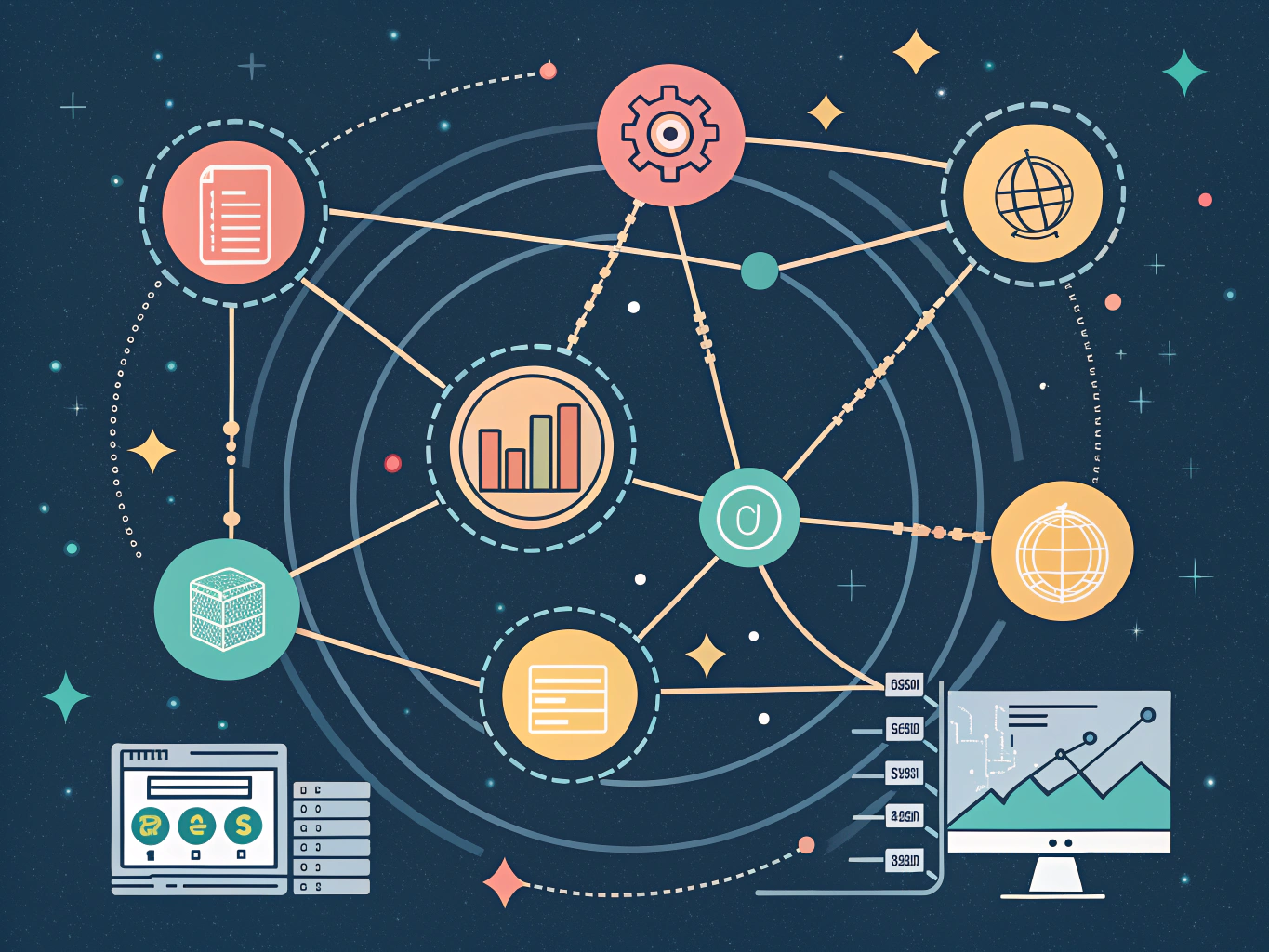
Modern AI site audits in 2026 operate fundamentally differently from the scheduled crawls and static reports of previous generations. Instead of waiting for weekly or monthly scans, these tools deliver real-time monitoring that flags critical issues the moment they appear on your site. That means broken redirects, crawl errors, or ranking drops get caught instantly rather than discovered days later.
The technical capabilities have expanded dramatically. AI can automate metadata checks, header tag optimization, canonical tags, and schema markup across thousands of URLs instantly, eliminating tedious manual verification. But 2026 tools go beyond checkbox SEO. They analyze content using natural language processing to assess relevance, keyword distribution, topical authority, and whether your pages actually answer user intent.
What truly separates current platforms is their predictive intelligence. Rather than just reporting existing problems, AI tools now forecast potential issues before they tank your rankings. AI tools can predict potential SEO issues before they escalate using historical data and industry trends, giving you time to course-correct proactively.
Prioritization has become smarter too. Instead of treating all issues equally, these audits rank findings by business impact. A critical conversion funnel problem gets flagged above a minor technical inconsistency, letting you focus resources on what actually moves the needle.
Modern platforms evaluate multiple dimensions including search visibility, performance, accessibility, technical structure, and conversion readiness. You're not just getting an SEO audit anymore; you're getting a comprehensive health check that connects technical optimization to actual business outcomes. This multi-dimensional approach means recommendations feel relevant to your bottom line, not just algorithm compliance.
AI Site Audits vs. Traditional Audits: What's Actually Different
Traditional website audits follow a familiar pattern: hire an expert, wait weeks for the analysis, receive a static report, and hope nothing critical changes before you implement fixes. This approach worked fine when search algorithms moved slowly. It doesn't work anymore.
Here's the fundamental shift. A freelancer auditing 10 websites manually may need up to 5 days; with AI automation, the same task can be completed in 2-3 hours. But speed is just the obvious advantage.
Traditional audits sample your content and rely on subjective interpretation. An auditor checks 50 pages and makes recommendations based on what they see. AI audits analyze your entire dataset, every page, every link, every metadata element, with perfect consistency. No bias. No fatigue. No missed opportunities.
The scope difference is equally critical. Traditional audits optimize for search engine rankings using keyword positioning and backlink analysis. Today's agentic AI audits prepare for autonomous systems like ChatGPT, Perplexity, and Google AI Overviews. Your visibility in 2026 depends on how AI systems understand and surface your content, not just how Google ranks it.
Most importantly, traditional audits are reactive. They identify problems that already exist and have likely already hurt your performance. AI audits are predictive. They detect vulnerabilities before they impact rankings, flag emerging issues, and continuously adapt as algorithms evolve.
This isn't about replacing human judgment entirely. It's about acknowledging that traditional audits alone are insufficient in 2026. You need continuous, autonomous analysis paired with strategic human insight. The sites pulling ahead aren't choosing between manual and AI audits; they're moving beyond the choice entirely.
The AI Audit Workflow: What Happens When You Run a Scan
Here's how a modern AI site audit actually works, from start to finish.
You begin by feeding the AI tool your website URL and basic business details: industry, target audience, primary goals. This context matters because it helps the system understand what "good" looks like for your specific situation. A SaaS platform needs different optimization than an e-commerce site.
Once you initiate the scan, the AI crawls your entire website, processing massive amounts of data simultaneously. It analyzes technical infrastructure, content quality, user experience signals, security posture, and competitive positioning. AI automates the discovery phase, handling time-consuming tasks like flagging SEO errors, identifying broken links, and detecting performance bottlenecks that would take a human auditor days to uncover.
The real power emerges in how the AI synthesizes this data. Rather than overwhelming you with thousands of findings, the system prioritizes recommendations based on business impact and implementation effort. Critical issues affecting revenue appear first; minor optimizations get flagged lower. The AI also translates technical jargon into plain English, so you understand not just what's broken, but why it matters and what fixing it accomplishes.
You receive a prioritized action plan with specific, implementable recommendations. Some advanced systems go further, detecting issues and even executing fixes in real time without waiting for human approval.
The workflow doesn't end with the initial report. Continuous monitoring runs in the background, alerting you to new issues as they emerge. Integration with your project management tools means audit findings flow directly into your implementation pipeline, eliminating the friction between discovery and action.
This shift from quarterly manual audits to continuous, autonomous intelligence fundamentally changes how fast you can respond to optimization opportunities.
What AI Can and Cannot Do: The Human-AI Balance in 2026
Here's the reality: AI-powered site audits excel at what machines do best. They process massive datasets in seconds, identify patterns humans would miss across thousands of pages, and flag technical issues with remarkable consistency. AI doesn't get tired, doesn't overlook a broken redirect on page 47, and catches crawlability problems at scale. For pure data work, nothing beats it.
But here's where it stops. AI cannot understand whether a problem actually matters to your business. It can't tell you if a tone shift will resonate with your audience or alienate them. It won't know if a design change contradicts your brand positioning or if a content recommendation fits your market strategy. AI falls short in areas that rely on context, creativity, or emotional understanding, such as tone and branding alignment.
The gap between "finding a problem" and "solving the right problem" is where human judgment lives.
This is why the most successful teams work hybrid. AI flags every issue; your strategists decide which ones matter. AI suggests optimizations; your writers craft copy that actually speaks to customers. AI detects technical debt; your team weighs it against roadmap priorities and budget constraints. The most successful SEO teams blend AI automation with human expertise, ensuring both efficiency and high-quality outcomes.
Think of it this way: AI is your tireless auditor. It catches what you'd miss. But you're the decision-maker. You understand your competitive position, your audience's pain points, and what success looks like for your specific business.
In 2026, the competitive advantage isn't choosing AI or humans. It's combining them strategically.
Implementing AI Site Audits: Getting Started in 2026
The shift to AI-powered audits isn't something to plan for next year; it's happening now, and your competitors are already moving. Here's how to get started without paralysis.
Begin by defining what success looks like for your site. Are you chasing organic traffic growth, fixing crawlability issues, or improving conversion rates? This clarity prevents you from drowning in audit data and ensures you focus on changes that actually move your business forward.

Next, establish a regular cadence. Regular AI-powered audits should be scheduled monthly or quarterly to track progress and identify new issues. This rhythm catches problems early before they compound.
The real power emerges when you treat AI findings as your starting point, not your finish line. Use AI-generated findings as a starting point, then apply your knowledge or collaborate with SEO specialists to prioritize and implement solutions. Your judgment on what matters most remains irreplaceable.
Finally, connect audit improvements to real metrics. Track organic traffic, rankings, and conversions before and after implementation. This creates accountability and builds the business case for continued investment in this technology.
The time to adopt AI site audits is now. Your website won't optimize itself, and manual audits can't keep pace with how quickly the web evolves.
FirstSearch
FirstSearch.AI Team