Best SEO Automation Tools 2026: Top Picks for Marketers
Last Updated: February 8, 2026
TL;DR: Key Takeaways on SEO Automation Tools
- 68% of digital marketers use AI-based SEO tools to boost content strategy and rankings
- Semrush, Ahrefs, and Surfer SEO lead the market with integrated automation workflows
- AI-driven SEO increases organic traffic by 45% and e-commerce conversions by 38%
- Best tools automate audits, rank tracking, and reporting without manual intervention
- Choose tools that integrate with GSC, GA4, and your existing marketing stack
What Are SEO Automation Tools and Why They Matter in 2026
SEO automation tools are software platforms that handle repetitive, time-consuming tasks like keyword research, rank tracking, technical audits, content optimization, and reporting. Instead of manually checking rankings across hundreds of keywords or building spreadsheets to monitor backlinks, these tools do the heavy lifting automatically, feeding you actionable insights in real time.
Here's what's changed: 47% of marketers are already implementing AI SEO tools to improve search efficiency, and 84% use them to identify emerging search trends, according to SEO.com. Even more striking, 68% of digital marketers have adopted AI-based SEO tools to improve content strategy, keyword targeting, and overall website performance, according to market research.
This shift from spreadsheets to intelligent workflows isn't just about convenience. In 2026, the competitive advantage goes to teams that can react to search trends faster, test more variations, and scale their efforts without adding headcount. Manual SEO processes simply can't keep pace with how quickly search algorithms and user behavior evolve.
Here's the critical misconception to drop: automation doesn't replace SEO experts. It augments them. By automating repetitive tasks, your team frees up time to focus on strategy, creativity, and growth. Your strategists stop wrestling with data and start using it to make smarter decisions.
The urgency is real. Teams still managing SEO through manual workflows are losing ground every quarter. The best time to adopt automation was last year. The second best time is right now.

Top SEO Automation Tools for 2026: The Complete Breakdown

Semrush remains the Swiss Army knife for teams wanting one platform to rule them all. Semrush is an all-in-one platform that automates nearly every major SEO workflow including position tracking with SERP feature detection, scheduled technical audits with JavaScript rendering, and backlink monitoring. This breadth makes it ideal for agencies and enterprise teams managing multiple clients. The real power lies in workflow automation, where you can set up recurring audits and get alerts the moment something breaks.
Ahrefs is your backlink obsession made easy. If your strategy revolves around competitive intelligence, Ahrefs automates keyword research and competitor analysis at scale. You'll spend less time manually tracking who's linking to your competitors and more time acting on opportunities. Solo operators and mid-sized teams appreciate its straightforward interface.
Surfer SEO speaks to content creators who want AI in their corner. Surfer SEO has launched Surfer AI with built-in content optimization, allowing users to start with a keyword and get AI-powered article writing with optimization recommendations. This tool collapses research, writing, and optimization into one workflow, making it perfect for solopreneurs and small content teams stretched thin.
SE Ranking punches above its weight with AI-driven automation. SE Ranking stands out for full-scale AI-driven SEO automation with predictive analytics and is particularly strong for AI Overviews tracking. It's built for teams wanting predictive insights without the enterprise price tag. The AI Overview tracking is especially valuable as search results continue evolving.
Screaming Frog handles the technical foundation. Screaming Frog is a powerful website crawler that can automate technical SEO audits by identifying broken links, duplicate content, and crawl errors. Desktop-based and powerful, it's non-negotiable for technical SEO specialists who need granular control.
AirOps takes a different approach by automating entire content workflows. Rather than focusing on one SEO function, it orchestrates research, writing, and optimization as a connected system. This appeals to content teams wanting to eliminate manual handoffs between tools.
The right choice depends on your bottleneck. Are you drowning in rank tracking data? Losing competitive ground? Struggling to optimize content at scale? Match the tool to your pain point, and you'll find the automation that actually moves the needle.
How SEO Automation Workflows Actually Save Time and Improve Accuracy
Here's the reality: SEO teams spend countless hours on repetitive tasks that machines handle better. Automation flips this dynamic entirely.
Consider your current workflow. Manual rank tracking means checking competitor positions daily, logging data, spotting trends. Modern rank tracking software updates daily or even hourly, providing real-time visibility into ranking fluctuations through automated monitoring. That's your team freed from spreadsheet drudgery and actually strategizing instead.
Now multiply that across your entire site. Editing 500 title tags manually takes weeks. A bulk title optimization feature adjusts hundreds of tags based on character limits and keyword placement rules simultaneously. Bulk meta description tools enable mass editing while maintaining uniqueness, something nearly impossible to do consistently by hand. One team we know went from eight hours to two hours for their quarterly content optimization cycle. Same quality, zero busywork.
The accuracy gains matter even more. When your technical audit runs automatically on a schedule, you catch crawl errors before they tank your rankings. When a rank drop happens, the best platforms trigger automated diagnostics that investigate the cause instantly. Your team sees a summary, not raw chaos. Automation is more accurate in handling data, which leads to fewer errors and more dependable data compared to manual processes.
The real power emerges when workflows connect. Data flows from your crawler to your rank tracker to your reporting dashboard without human intervention. Alerts fire when metrics cross critical thresholds. Clients receive polished reports without anyone manually stitching together screenshots and numbers.
This isn't about replacing your team's expertise. It's about letting them focus on what humans do best: strategy, creative optimization, and client relationships. Automation handles the mechanical work reliably and at scale.
The Business Case: ROI and Performance Gains from SEO Automation
The numbers tell a compelling story about why SEO automation isn't optional anymore. AI-driven SEO boosts organic traffic by 45% and conversion rates by 38% for e-commerce websites, which translates directly to revenue growth for businesses willing to modernize their workflows.
This market shift isn't subtle. The AI SEO tools market will grow from $1.2 billion in 2024 to $4.5 billion by 2033, with a CAGR of 15.2%, signaling that enterprises are voting with their budgets. The early movers are already reaping the rewards.
Enterprise adoption validates the ROI. 83% of SEOs from organizations with over 200 employees reported an improvement in their SEO performance following the integration of artificial intelligence. That's not a niche benefit; that's the new baseline for competitive organizations.
The efficiency gains are equally impressive. Teams using AI-powered workflows report 25% faster content production, meaning your team ships more optimized pages in the same timeframe. Meanwhile, AI-generated meta descriptions improved click-through rates by up to 20%, and a major retailer increased organic traffic by 30% within 6 months using AI tools, proving these gains aren't theoretical.
The real question isn't whether automation delivers ROI. It's whether your team can afford to stay on spreadsheets while competitors automate their way to 30% traffic increases. The gap between automated and manual SEO operations is widening fast, and every month without these tools costs you market share, qualified leads, and revenue your competitors are already capturing.
Choosing the Right SEO Automation Tool: Selection Criteria and Considerations
Selecting the right SEO automation tool isn't one-size-fits-all. Your choice depends on three critical factors: team structure, budget constraints, and technical comfort level.
Start with integration requirements. SEO professionals recommend checking compatibility with Google Search Console, GA4, your CMS, and existing marketing tools. A tool that doesn't connect to your current stack creates extra work rather than eliminating it.
Consider your team size. Solo marketers need different capabilities than agencies managing multiple clients. A solopreneur benefits from all-in-one platforms offering broad functionality without requiring specialist knowledge, while larger teams prioritize collaboration features, user management, and scalability.
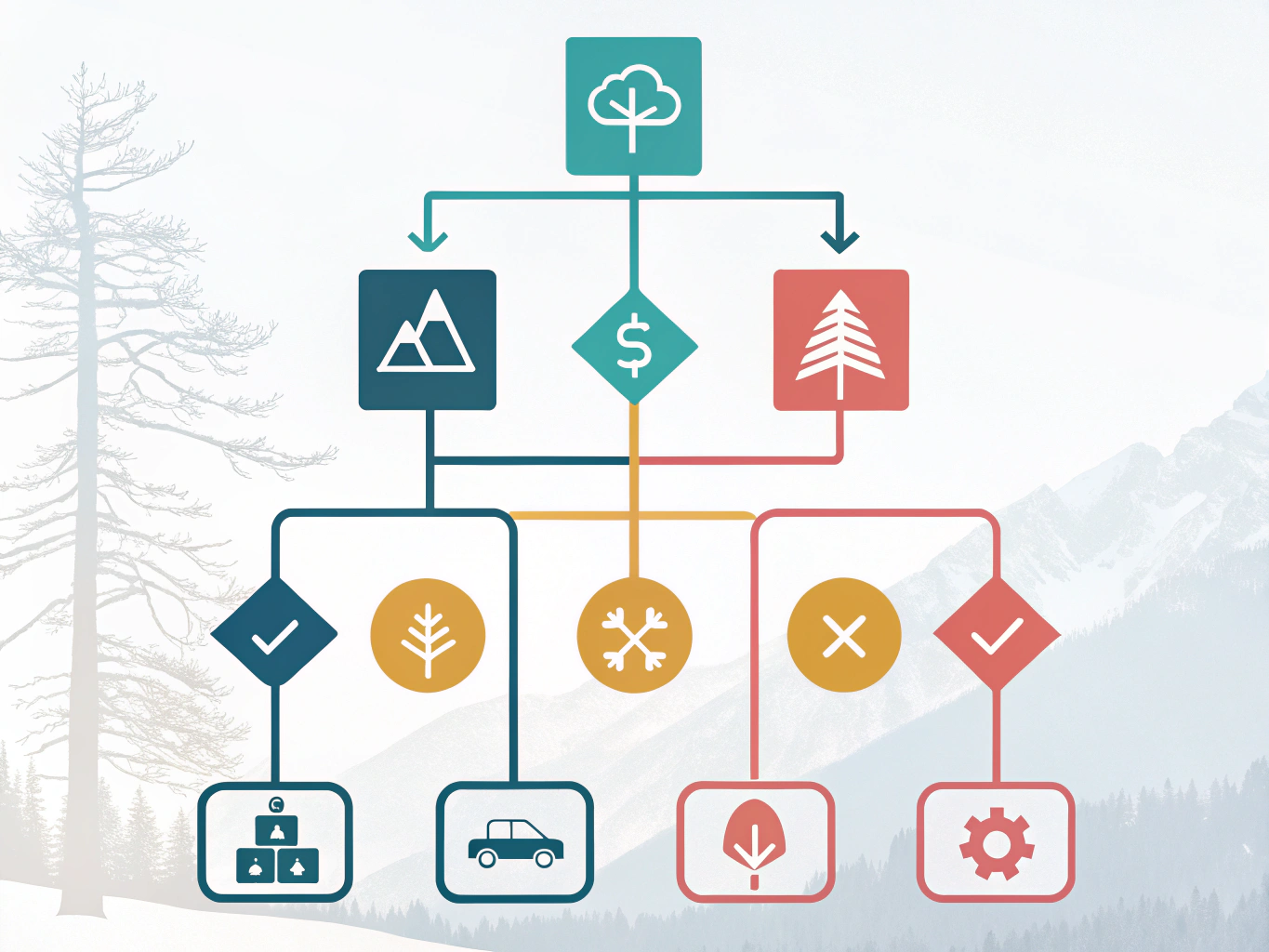
Evaluate deployment options. Cloud-based platforms offer collaboration advantages and accessibility from anywhere with automatic updates, while desktop applications provide speed for large crawls without monthly usage limits.
Prioritize data accuracy. Look for tools that pull real data from authoritative sources rather than generating hallucinated insights. Unreliable data leads to poor decisions.
Don't overlook security and compliance. Since you're connecting sensitive GSC and analytics data, verify that tools meet your industry's security standards.
Finally, run the math. Your tool should cost less than hiring someone to perform those tasks manually. If you're spending $500 monthly on automation while paying a contractor $3,000 for the same work, you've found your answer.
Common Automation Tasks Every SEO Team Should Automate
Here's the reality: not every task deserves automation, but the right ones save your team hours every week while catching issues humans miss.
Keyword research is your first win. Automated discovery tools identify long-tail variations and search intent patterns faster than manual brainstorming. You'll surface opportunities your competitors haven't touched yet.
Technical audits deliver immediate ROI. Automated site crawls evaluate hundreds of ranking factors simultaneously, from HTTP status codes to mobile usability and structured data. Schedule these weekly or monthly, and you'll catch broken links, missing meta tags, and duplicate content before they tank your rankings. Tools like Screaming Frog and Sitebulb can run recurring audits automatically, delivering actionable reports without lifting a finger.
Rank tracking needs to be continuous. Daily or hourly position monitoring across your target keywords and locations keeps you informed without manual checking. You'll spot ranking drops instantly and respond faster than competitors.
Content optimization at scale becomes possible through automation. Bulk meta tag editing, content decay detection, and optimization suggestions mean you're not manually reviewing hundreds of pages. The tool flags what needs attention; your team applies judgment.
Backlink monitoring should absolutely be automated. Set up alerts for new links and toxic link detection. You'll know immediately when competitors gain links or when spammy sites link to you.
Finally, automated reporting eliminates the most tedious task. Generate client or stakeholder reports on a schedule. Your team focuses on strategy instead of spreadsheet grunt work.
The key: automate the repetitive, data-heavy work. Keep human judgment for strategy, content decisions, and relationship-building.
Frequently Asked Questions About SEO Automation Tools
Will automation replace SEO experts?
Not a chance. Automation handles repetitive tasks like audits and reporting, freeing your team to focus on strategy, creative problem-solving, and relationship building. AI SEO tools automate pattern detection, but real progress depends on interpretation and creative thinking; humans still define direction.
How accurate is the data?
Very accurate for detecting patterns and trends. However, always verify insights against multiple sources before making major decisions. Automation excels at consistency; human judgment handles nuance.
Are these tools affordable for small businesses?
Absolutely. If a tool costs less monthly than hiring someone to complete that task hourly, it's worth it. Most small teams recoup costs within weeks through time savings alone. Small businesses gain significant advantages by automating, competing effectively despite limited resources and accessing enterprise-level capabilities at accessible price points.
What's the fastest ROI?
Technical audits and rank tracking deliver immediate time savings. You'll stop spending hours on manual checks and start focusing on fixes that actually move the needle.
Can I automate content creation?
Partially. AI assists with drafts and outlines, but human review is non-negotiable. Your expertise shapes the final piece; automation just accelerates the grunt work.
How do I get started?
Pick one pain point (audits, reporting, tracking) and automate that first. Success builds momentum and confidence for expanding automation across your workflow.
Key Takeaways: Start Your SEO Automation Journey Today
The best time to start automating your SEO workflow is today, not next quarter. Here's what matters most: automation isn't about replacing your expertise; it's about amplifying it. SEO experts emphasize that by automating repetitive tasks, you free your team to focus on strategy, creativity, and growth.
Start small and specific. Pick one critical workflow: technical audits, rank tracking, or content optimization. Master it, then expand. This approach prevents overwhelm and delivers quick wins that build momentum across your team.
Prioritize tools that play nicely with your existing stack. GSC, GA4, and your CMS are already generating data; automation tools should tap into that intelligence, not create silos.
The numbers speak for themselves. Teams implementing AI-powered automation see roughly 45% increases in organic traffic and 38% boosts in conversions. You don't need enterprise budgets to compete either; affordable tools level the playing field for small businesses.
Before committing, use free trials. Test functionality with your actual website, your real data, your specific challenges. This hands-on approach reveals whether a tool truly fits your workflow.
Your SEO team's potential isn't limited by budget or team size; it's limited by how much manual work consumes their day. Automation changes that equation. Start now.
Conclusion: The Future of SEO Is Automated
The SEO automation wave isn't coming; it's already here. Market forecasts show the AI SEO tools market will explode from $1.2 billion in 2024 to $4.5 billion by 2033, and nearly half of all marketers are already automating core workflows. Your competitors? They're probably ahead of you.
Here's the truth: automation is no longer a competitive edge in 2026. It's table stakes. Teams still manually managing keyword research, tracking rankings, or publishing content are burning hours on work that machines handle in minutes.
The good news? You don't need to overhaul everything overnight. Start with one tool and one workflow that causes you the most pain. Track the results, then scale from there. Whether you're optimizing content, monitoring backlinks, or managing technical SEO, the tools exist and they work.
The best time to automate was yesterday. The second best time is today. Pick a tool, commit to it, and watch your team's productivity and rankings climb.
FirstSearch
FirstSearch.AI Team