Best Title Tag Generator: Boost Your SEO in 2026
What is a Title Tag Generator and Why It Matters for SEO
A title tag is the HTML element that tells both search engines and people what your webpage is about. It appears in three critical places: the blue clickable link in search results, your browser tab, and social media previews when someone shares your content. Think of it as your first impression with potential visitors.
Here's why this matters for your bottom line: Search engines use title tags over 80% of the time when generating the titles displayed in search results. They're not optional. They're foundational. In fact, 68% of online experiences start with a search engine, which means your title tag is often the deciding factor between someone clicking your link or your competitor's.
A title tag generator automates this critical task using artificial intelligence. Instead of manually crafting titles for dozens or hundreds of pages, these tools analyze your content, target keywords, and search intent to generate optimized titles in seconds. They consider length constraints (Google typically displays 50-60 characters), keyword placement, and click-worthiness simultaneously.
The payoff is measurable. Well-optimized titles directly improve three metrics that matter: click-through rates from search results, organic traffic volume, and ultimately your search rankings. A poorly written title might get indexed but overlooked. A strategically crafted one becomes a traffic magnet.
If you're managing multiple pages or want consistent, conversion-focused titles across your site, a title tag generator isn't a luxury. It's a strategic advantage.
How Title Tag Generators Work: The AI Behind Optimization
Think of a title tag generator as having a sophisticated translator between your business goals and search engine requirements. Here's what's actually happening under the hood.
When you input a keyword, the AI doesn't just slot it into a template. Instead, advanced generators use language models trained on vast text datasets to understand context, search intent, and user behavior patterns. Natural Language Processing (NLP) algorithms analyze your input to grasp semantic meaning, not just surface-level keywords.
The generator then weighs multiple competing factors simultaneously: keyword placement (typically stronger near the beginning), optimal character length (usually 50-60 characters to avoid truncation in search results), keyword density (enough to signal relevance without triggering spam filters), and emotional resonance (does it actually compel clicks?). Machine learning models trained on millions of high-performing titles recognize which combinations resonate with both algorithms and human searchers.
Most quality tools generate 5-10 title options for you to evaluate, each representing different strategic approaches. One might prioritize brand inclusion; another emphasizes benefit-driven language; a third leads with urgency or specificity. This variety matters because the best title for your homepage differs fundamentally from the best title for a product page or blog post.

The real power lies in speed and consistency. What might take you 30 minutes of testing and refinement, these tools accomplish in seconds, freeing you to focus on strategy rather than syntax.
Title Tag Best Practices: Creating Titles That Rank and Convert
Your title tag is real estate on Google's search results page. Waste it, and you lose clicks. Optimize it strategically, and you win rankings and traffic. Here's exactly how.
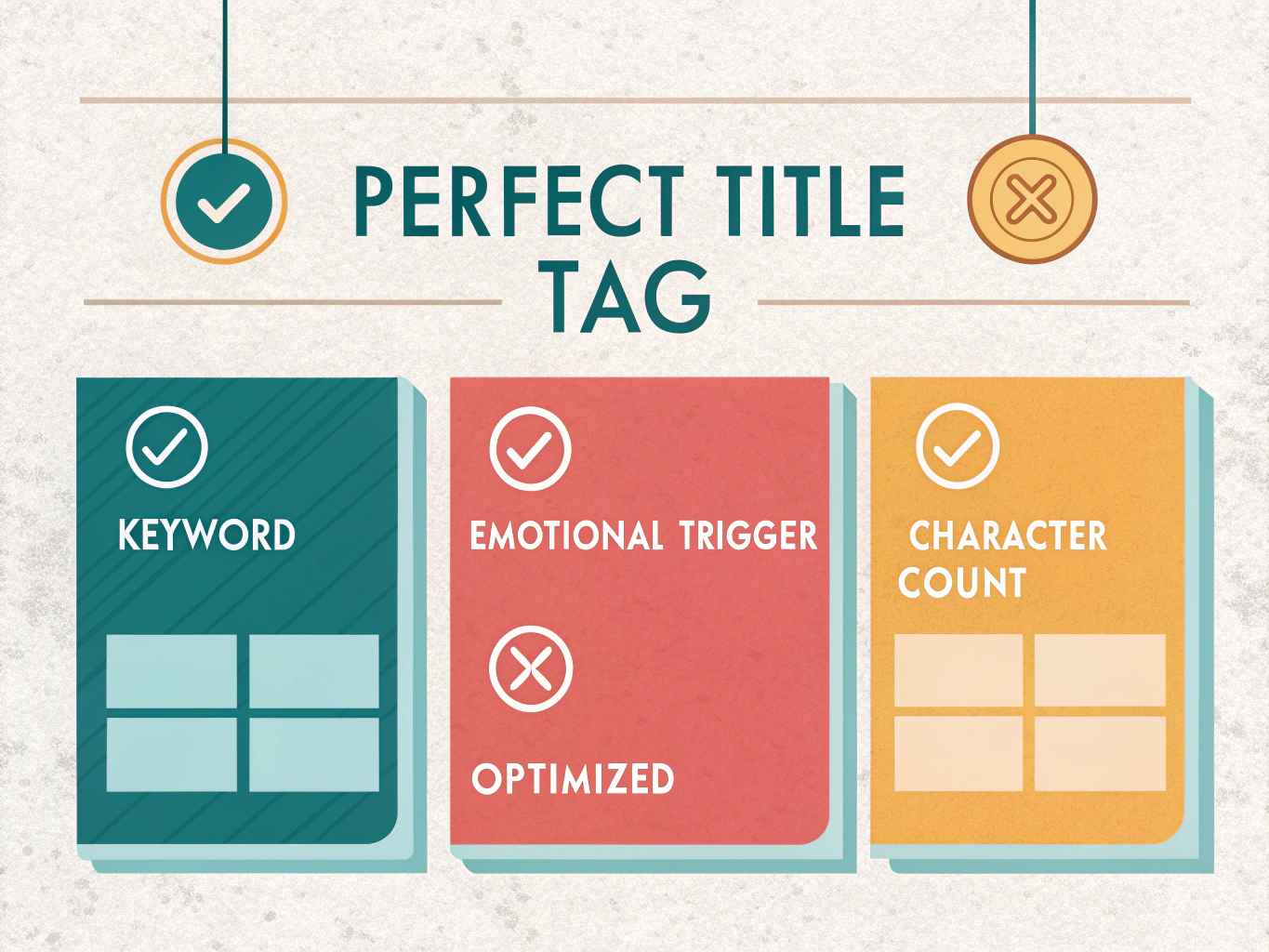
Start with character count, not keywords. Aim for titles around 50-60 characters to avoid truncation in search results; Google uses pixel width rather than character count, so titles longer than this get cut off and look incomplete to searchers. Aim for titles around 60 characters long, as search engines tend to truncate longer titles. Test your titles in Google's preview tool before publishing to see exactly how they'll appear.
Place your primary keyword near the beginning. Position your primary keyword near the beginning of the title to boost relevance and search engine rankings. This signals to search engines what your page is about immediately. For example, "Title Tag Generator: Free SEO Tool for 2026" works better than "Free SEO Tool: Our Title Tag Generator."
Inject emotional triggers and action verbs. Use emotional triggers and power words to craft compelling titles that entice clicks. Words like "proven," "essential," "quick," and "best" make titles compelling. Research shows that action verbs increase engagement, drawing readers into your content and encouraging further exploration. Numbers also perform exceptionally well; "5 Ways to Boost SEO" beats "Ways to Boost SEO" every time.
Ensure accuracy and uniqueness. Your title must reflect what readers actually find on the page. Misleading titles tank bounce rates and damage trust. Additionally, write descriptive and concise text for your title elements; avoid vague descriptors and unnecessarily long or verbose text. Never duplicate titles across pages; each should be distinct and specific to its content.
These rules transform your titles from afterthoughts into conversion machines. Apply them today, and you'll see the difference in your click-through rates.
Top Features to Look for in a Title Tag Generator
When evaluating a title tag generator, focus on features that directly impact your SEO results and workflow efficiency.
AI Quality and Training Data
The foundation matters most. Advanced AI models trained on vast datasets produce more relevant, natural-sounding titles that actually rank. Basic tools often generate stiff, keyword-stuffed variations that hurt your CTR. Look for generators using modern language models that understand context, not just keyword insertion.
Multiple Output Options
A quality tool should generate 10+ title variations for each piece of content. This isn't busy work; it gives you real choices. You'll spot patterns in what resonates with your audience and can A/B test different approaches. Single-option generators severely limit your flexibility.
SERP Preview Functionality
Visualizing how your title appears on mobile and desktop search results is non-negotiable. Character limits matter, and truncation ruins your message. A solid preview tool shows exactly what searchers see before you publish.
Customization and Brand Control
You need control over tone, style, and keywords. Can you specify your brand voice? Input target audience details? Select content type? These options ensure generated titles actually match your strategy, not generic templates.
Integration Capabilities
The best generators connect with your CMS, WordPress, or existing SEO tools. Manual copying and pasting wastes time. Seamless integration means you implement suggestions faster and maintain consistency across your content strategy.
Prioritize tools offering most of these features. Your title tag generator should amplify your strategy, not replace your judgment.
Title Tag Generators vs. Manual Writing: When to Use Each Approach
The real power of a title tag generator isn't choosing between automation and manual work; it's knowing when to leverage each.
Generators shine when you're facing bulk optimization. If you're refreshing titles across 200 product pages or a sprawling blog archive, an AI tool can produce dozens of data-driven options in minutes. These tools pull from keyword research and search trends, giving you suggestions grounded in what actually performs. That's efficiency you can't match typing manually. They're equally valuable when you're stuck for ideas; even if you heavily customize the output, a generator provides structure and inspiration that jumpstarts your thinking.

But here's where manual refinement becomes non-negotiable: high-stakes pages and brand voice. Your homepage, key landing pages, and flagship products deserve titles that reflect your unique positioning. An AI-powered title generator churns out multiple SEO-optimized title options in a flash, freeing you up to focus on what you do best: creating stellar content, but you're still writing for humans, which requires messaging that genuinely connects with your audience.
The hybrid approach wins. Use generators for initial suggestions, then customize for brand fit. Test both AI-generated and manually refined versions through A/B testing. This way, you get speed without sacrificing the strategic thinking that separates forgettable titles from ones that actually convert.
Bonus: Title Tag Generators for Related SEO Tasks
Most title tag generators don't work in isolation. The best platforms bundle them with complementary tools that amplify your SEO results.
Meta description generators are the natural partner here. While your meta description isn't quite as crucial as your meta title, it's still a really important SEO ranking factor, these two elements work together in search results to drive clicks. A compelling title tag draws attention; a strong meta description seals the deal by showing searchers exactly what they'll find on your page.
Schema markup generators add another layer. They help search engines understand your content structure, enabling rich snippets like star ratings, pricing, and availability. This structured data transforms how your results appear in search, often increasing click-through rates significantly.
Here's what matters: all-in-one SEO platforms typically integrate these tools so you're not jumping between five different generators. You optimize your title, craft your description, and add schema markup without breaking your workflow.
If you're serious about SEO, look for platforms offering this trifecta. You'll save time and ensure your pages are fully optimized from the technical side, not just keyword-focused. It's the difference between checking boxes and building a genuinely comprehensive optimization strategy.
Getting Started: How to Use a Title Tag Generator Effectively
Getting a title tag generator to work for you is straightforward, but preparation matters. Start by gathering your inputs: identify your target keyword, write a brief summary of your page content, and decide on your desired tone (professional, casual, urgent). The more specific you are upfront, the better your generated options will be.

Once you've generated options, review them critically. Don't just pick the first one; evaluate each for relevance, clarity, and click potential. Customize as needed to include brand elements or specific keywords the AI might have missed.
Next, use SERP preview tools to see how your title actually appears in search results. This visual check prevents surprises and ensures your choice stands out from competitors.
Implementation is simple: place your final title in your CMS's HTML title tag field. Then comes the important part: monitoring. Track click-through rates, rankings, and bounce rates over the following weeks. A/B test variations to discover what truly resonates with your audience.
The real power of title tag generators isn't in automation alone; it's in using data to refine your approach. Test, measure, iterate. That's how you transform SEO from guesswork into strategy.
FirstSearch
FirstSearch.AI Team