Cognitive SEO Analysis: Complete Guide to AI-Powered Insights
Last Updated: February 25, 2026
Key Takeaways
- Cognitive SEO uses AI and NLP to analyze user intent, content relevance, and semantic relationships beyond keywords
- AI-powered tools detect patterns competitors miss by analyzing hundreds of pages simultaneously in real-time
- Smart content analysis reveals gaps in competitor strategies and identifies high-value ranking opportunities
- Continuous AI monitoring tracks SERP shifts, emerging trends, and competitor moves 24/7 automatically
- Moving from reactive to proactive intelligence gives first-mover advantage in competitive markets
What Is Cognitive SEO Analysis?
Cognitive SEO analysis is AI and natural language processing technology that understands search intent and semantic relationships, moving far beyond traditional keyword counting. Instead of manually tracking rankings and backlinks, these systems automatically analyze competitor strategies, content gaps, and user behavior patterns at scale.
The shift from traditional to cognitive analysis is fundamental. Where old-school SEO relied on spreadsheets and monthly reports, cognitive tools process thousands of data points in real-time. They identify what your competitors rank for, why they rank, and what content patterns drive visibility. According to research, 92% of global traffic comes from Google, with 75% of users never scrolling past the first page, making intelligent positioning essential.
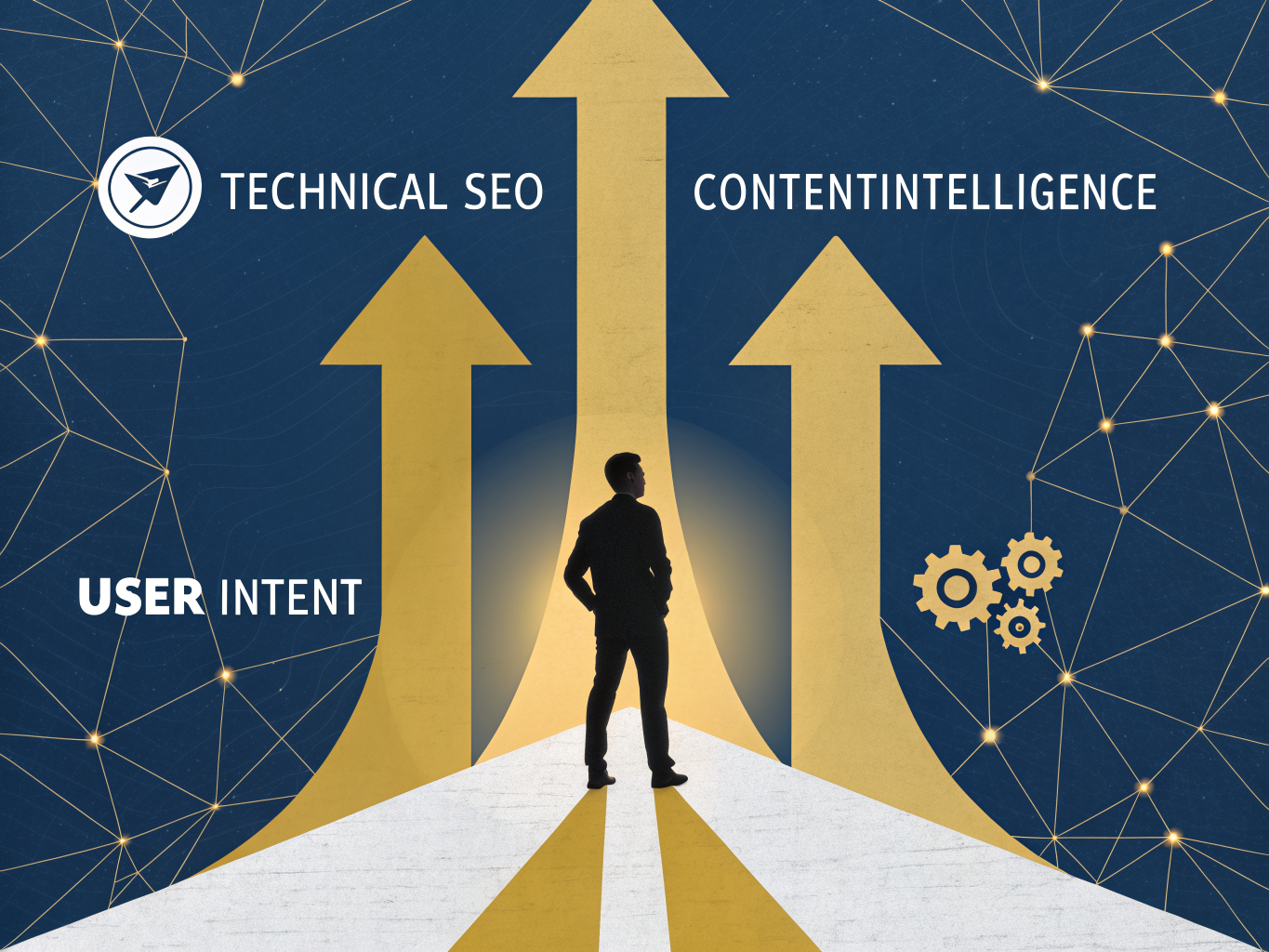
The core technologies powering this shift include machine learning algorithms that learn from patterns, natural language processing that decodes user intent, and artificial intelligence that connects technical SEO, content intelligence, and search behavior into a unified strategy. These aren't separate tools you manage independently; they work together to reveal opportunities humans would miss.
For marketers, the business impact is straightforward: faster competitive insights, analysis that scales without proportional time investment, and the ability to act on data before competitors do.
Why Cognitive SEO Analysis Matters in 2026
The competitive landscape has fundamentally shifted, and traditional SEO tools are struggling to keep pace. Manual competitor monitoring that once took hours now happens in minutes with cognitive analysis, yet most marketers still rely on outdated dashboards and monthly reports. Meanwhile, your competitors aren't waiting.
AI-powered competitor analysis tools have transformed how businesses gather competitive intelligence, detecting pattern shifts that human analysts miss entirely. Manual competitor tracking is time-consuming, difficult to scale, and increasingly ineffective in fast-moving markets. The cost isn't just in wasted hours; it's in missed opportunities and reactive strategies that always lag behind the market.
The rise of AI search engines like ChatGPT has rewritten the rules entirely. These systems don't just rank pages; they synthesize information, cite sources differently, and prioritize content that demonstrates expertise in new ways. Your SEO strategy from 2024 likely doesn't account for how these systems actually work. Cognitive SEO analysis does.
AI tools continuously monitor vast amounts of information 24/7 across websites, social media, and search engines, catching competitor moves before you'd even notice them through traditional methods. This isn't incremental improvement; it's the difference between leading and following.
Early adopters gain a measurable advantage. Organizations implementing cognitive analysis now are seeing 6-12 months of competitive edge as they identify opportunities before broader market adoption catches up. The speed of change in search algorithms and competitor strategies means every month without intelligent automation puts you further behind.
The question isn't whether cognitive SEO analysis matters. It's whether you can afford to compete without it.
Core Components of Cognitive SEO Analysis
Cognitive SEO analysis operates through five interconnected components that work together to transform raw data into strategic advantages. Understanding each one helps you leverage the full potential of AI-powered optimization.
User Intent Analysis forms the foundation. Rather than simply matching keywords to content, AI systems decode what users actually need when they search. A query for "best CRM software" reveals intent to compare solutions; "how to implement CRM" signals educational intent. This distinction matters because ranking for the keyword means nothing if your content misses what searchers truly want. Cognitive tools categorize intent across informational, commercial, and transactional dimensions, helping you align content with actual user needs.
Semantic Content Analysis goes beyond keyword density and placement. Natural language processing identifies how concepts relate to each other and whether your content covers a topic comprehensively. Instead of counting how many times you mention "SEO strategy," the system understands that you're addressing related concepts like keyword research, content planning, and link building. This semantic depth improves relevance signals to search engines and better satisfies reader expectations.
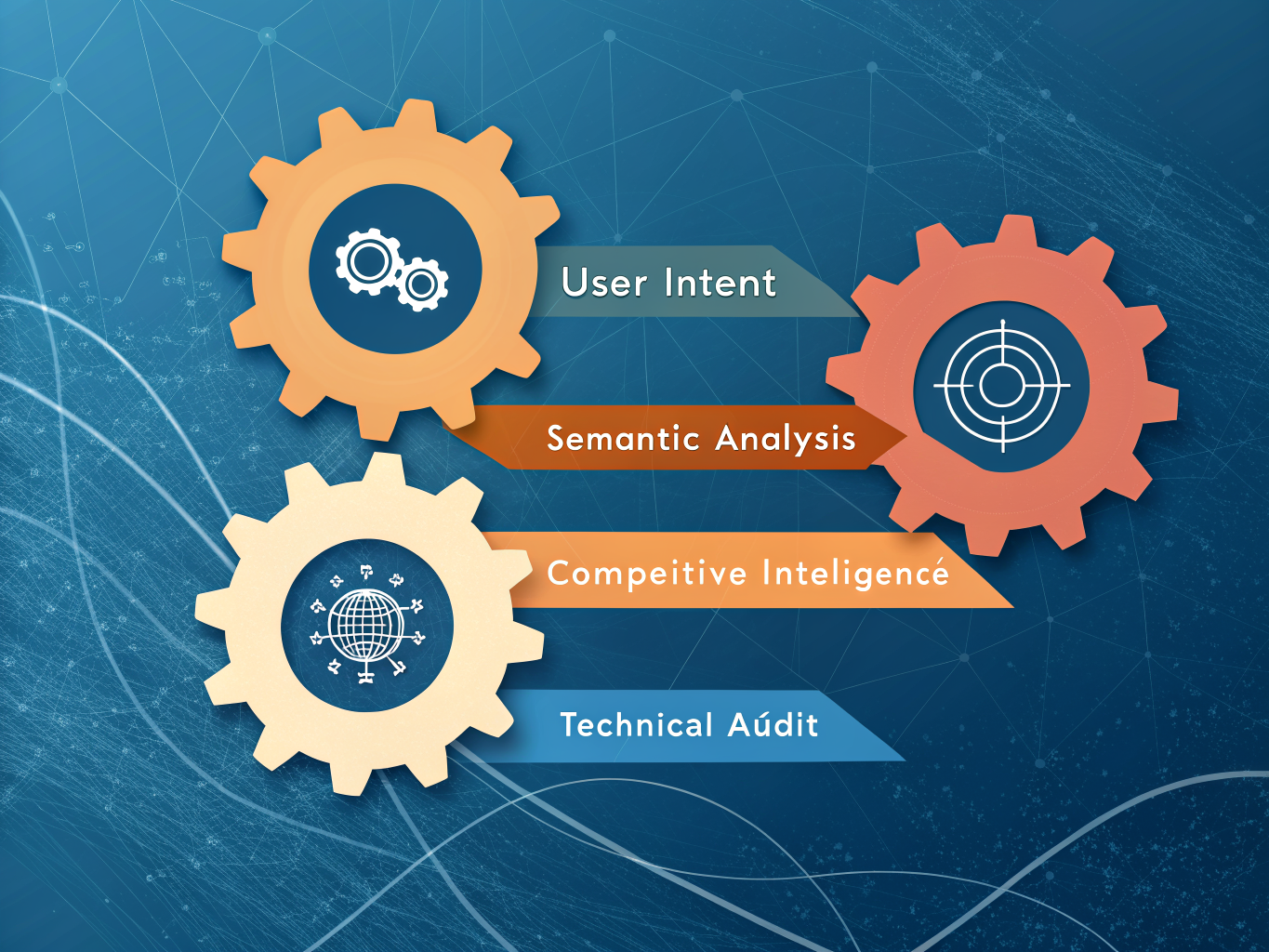
Competitive Intelligence reveals what's working for your rivals. AI reverse-engineers competitor strategies by analyzing their content structure, backlink patterns, and SERP positioning. You discover which topics they're targeting, what angles they emphasize, and where gaps exist in their coverage. This intelligence informs your content strategy without copying their approach.
Content Performance Scoring automatically grades your pages against top-ranking competitors, identifying specific optimization opportunities. The system compares your content length, heading structure, semantic coverage, and user experience signals against what's currently winning.
Technical SEO Auditing operates at scale, crawling thousands of pages to detect issues like broken links, crawl errors, and indexation problems. AI prioritizes findings by impact, so you address what matters most first.
These components function as an integrated system, each feeding insights to the others and creating a comprehensive view of your SEO performance and competitive position.
How AI Competitor Analysis Uncovers Hidden Opportunities
Imagine analyzing 500 competitor pages in minutes instead of weeks. That's what cognitive SEO analysis does for competitive research.
AI processes hundreds of competitor articles simultaneously to map content clusters and identify what topics they've covered thoroughly versus what they've ignored entirely. Instead of manually scanning each page, you get a semantic heatmap showing exactly which subtopics competitors mention and which gaps exist in their coverage. This matters because those gaps are often your highest-opportunity ranking targets.
Here's where it gets practical: question-based analysis reveals customer intent your competitors aren't addressing. While they're writing broad guides on "email marketing," AI spots that nobody's properly answering "how to reduce email unsubscribe rates for SaaS companies." That specific question might have 8,000 monthly searches and minimal competition. Traditional SEO analysis would miss this entirely.
Backlink pattern analysis works similarly. AI identifies not just where competitors are getting links, but why. It spots the publications, resource pages, and industry directories they're targeting and reveals which ones are actually worth pursuing for your brand. You see the authority-building strategy behind their success, not just the links themselves.
Perhaps most valuable is emerging trend detection. AI identifies topics gaining traction before they become mainstream competitive battlegrounds. AI can spot emerging topics and trends before mainstream adoption for first-mover advantage. This first-mover advantage is significant; you're ranking for high-intent keywords when competition is still minimal.
The actionable output is content briefs built directly from these insights. AI can analyze hundreds of articles to find recurring subtopics competitors missed, then generate content briefs. Rather than hunting for opportunities manually, you get a prioritized list of what to write and why it matters.
This transforms competitive strategy from reactive (copying what competitors do) to proactive (exploiting what they missed).
Smart Content Analysis Tools and Features
Modern cognitive SEO analysis platforms provide a suite of interconnected tools that move beyond basic keyword counting. Here's what actually matters when evaluating these capabilities.
Content Optimization Scoring assigns your content a numerical grade (typically 0-100) by analyzing how it stacks against top-ranking pages for your target keywords. The system examines word count, keyword placement, semantic relevance, and structural elements. Rather than guessing what Google wants, you get specific, actionable feedback on what's missing from your content compared to competitors already winning in search results.
Semantic Keyword Recommendations leverage natural language processing to identify related terms and topics your audience actually searches for. This goes far beyond simple keyword density matching. The tool recognizes conceptual relationships, long-tail variations, and emerging search patterns that traditional keyword research tools miss. You discover not just "what to write about," but the complete topical universe surrounding your core keyword.
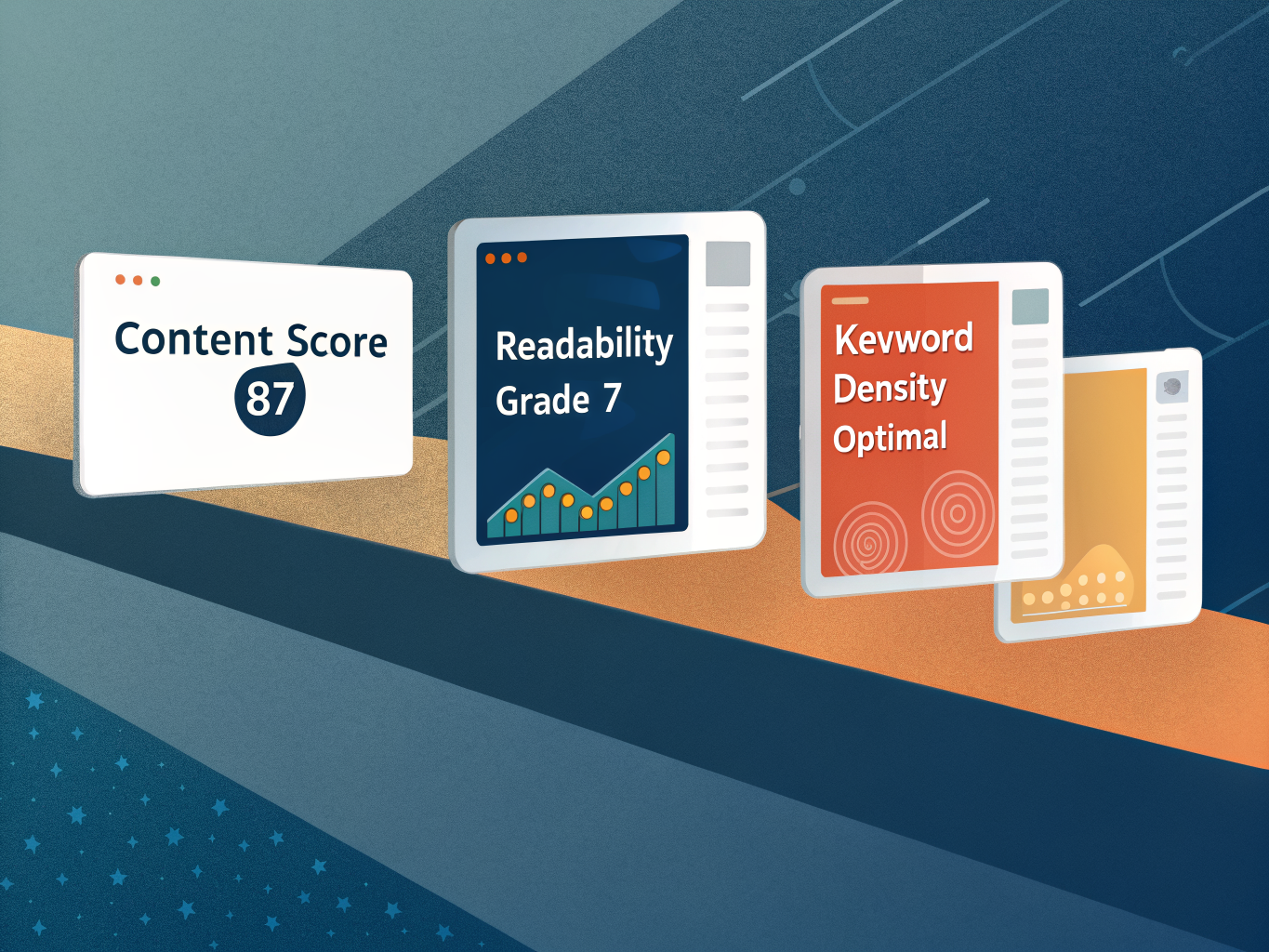
Readability Analysis automates assessment of sentence structure, tone, and clarity to ensure your content actually serves readers. This matters because Google increasingly prioritizes user experience signals. The tool flags overly complex passages, inconsistent tone, and structural issues that hurt engagement.
Real-time Performance Metrics track how your optimized content impacts rankings and organic traffic. You see correlations between content updates and ranking movement, removing guesswork from your optimization decisions.
Automated Monitoring continuously watches for SERP changes and algorithm shifts that affect your content's relevance. Rather than manual quarterly audits, you receive alerts when competitors publish stronger content or when your pages drift from top-ranking standards.
These features work together to transform content strategy from reactive guessing into proactive, data-driven optimization. The result: faster ranking improvements and content that actually converts.
Step-by-Step Guide to Implementing Cognitive SEO Analysis
Getting started with cognitive SEO analysis doesn't require a complete overhaul of your current workflow. Follow this practical roadmap to implement it effectively, whether you're a solo marketer or managing a larger team.
Start with a competitive baseline. Audit your current SEO performance and identify your top 3-5 competitors using SERP analysis. Document which keywords you currently rank for, your average position, and traffic volume. This becomes your starting point for measuring improvement.
Find the gaps. Run a keyword gap analysis to discover keywords your competitors rank for that you're missing. These represent immediate opportunities. Simultaneously, conduct content analysis on your competitors' top-ranking pages to understand how they cover topics, what angles they emphasize, and where they fall short. SEO competitor analysis evaluates competitors' keywords, content, backlinks, and technical performance, revealing strategic patterns you can learn from.
Build your content strategy. Use AI-powered tools to prioritize opportunities based on search intent, competition level, and your content capacity. AI reveals content priorities, keyword targeting patterns, and industry focus from URL structure analysis, helping you focus on high-impact topics first.
Quick wins matter. Before launching major content projects, capture low-hanging fruit: optimize underperforming meta descriptions, add strategic internal links to existing content, and fill obvious content gaps. Content analysis identifies content gaps and discovers missing topics and underperforming pages, making these wins easy to spot.
Establish continuous monitoring. Set up AI-powered tracking to monitor ranking changes, competitor movements, and emerging trends. Review performance weekly and adjust tactics monthly based on what the data shows.
The key is starting small, proving value quickly, then scaling your efforts. Most teams see measurable results within 30 days by focusing on these five steps systematically.
FAQ: Common Questions About Cognitive SEO Analysis
Q: How is cognitive SEO analysis different from traditional SEO tools?
Traditional tools count keywords and track rankings. Cognitive SEO analysis goes deeper by understanding intent, context, and semantic relationships using AI and natural language processing. Instead of just knowing a competitor ranks for a term, you'll learn why they rank and what content gaps exist in their strategy.
Q: What's the learning curve?
Most modern platforms have a 2 to 4 week ramp-up period. You don't need to be technical. The interfaces are designed for marketers, and most providers offer onboarding support and documentation to get you productive quickly.
Q: How much does it cost?
Pricing varies significantly. Free trials let you test before committing. Paid plans typically range from $129 to $500 monthly, depending on features, data volume, and site complexity. Enterprise solutions cost more but offer dedicated support.
Q: What ROI should we expect?
With proper implementation, most users see ranking improvements within 30 to 90 days. The real value emerges over time as you identify content opportunities competitors miss and optimize systematically rather than guessing.
Q: Do we need technical skills?
No. These tools are built for marketing teams without coding knowledge. You'll spend time understanding insights and making strategic decisions, not wrestling with technical setup.
Q: How often should we run analysis?
Run monthly strategic analysis to guide content planning and competitive strategy. Set up continuous monitoring for real-time alerts on ranking changes or competitor moves. This hybrid approach balances actionable insights with operational efficiency.
The bottom line: cognitive SEO analysis removes guesswork from your strategy while remaining accessible to teams of any technical skill level.
Key Takeaways and Next Steps
Cognitive SEO analysis isn't a luxury anymore; it's table stakes for staying competitive. The organizations winning in 2026 aren't the ones manually tracking competitors or waiting weeks for insights. They're the ones using AI and natural language processing to analyze content at scale, spot opportunities in real time, and move faster than their competition.
Here's what you should do this week:
For Agencies: Run a content gap analysis on your top three clients' competitors. You'll likely find quick wins in meta optimization and internal linking that can show measurable results within 30 days. Use these early wins to justify broader cognitive SEO investments to your clients.
For SMBs: Start with one competitor and one content pillar. Identify where they're winning and where your content can outperform. Tools that prioritize ease of use and integration with your existing stack will save you time and frustration.
For Enterprises: Implement continuous monitoring across your entire competitive set. Early warning systems for competitor moves and market shifts give you the strategic advantage that manual monitoring simply can't match. Choose platforms that scale with your team size and integrate seamlessly with your existing workflows.
The real power of cognitive SEO analysis isn't in the technology itself; it's in what you do with the insights. Start small, measure results, and build from there. Your competitors are already moving. The question is whether you'll lead or follow.
Start Your Cognitive SEO Analysis Journey Today
The shift from manual SEO monitoring to intelligent automation isn't coming; it's already here. Cognitive SEO analysis has moved from experimental to essential, and the competitive advantage belongs to teams that implement it now rather than later.
Your competitors are likely running AI-powered competitive audits as you read this. They're uncovering keyword gaps you've missed, spotting content opportunities before you notice them, and automating analysis tasks that once consumed hours weekly. The question isn't whether cognitive SEO analysis works; it's whether you'll start using it before your market position suffers.

Here's your next move: request a free cognitive SEO audit to see exactly how AI analysis reveals hidden opportunities in your current strategy. No credit card required, no lengthy sales calls. Just real data showing what intelligent automation can uncover about your competitive position.
The tools exist. The methodology works. Your competitors are moving. The only question remaining is whether you'll join them today or spend the next quarter playing catch-up. Start your free trial now and experience the difference AI-powered insights make for your organic strategy.
FirstSearch
FirstSearch.AI Team