How to Get Rust Off Tools: 7 Easy Methods That Work (2025)
Understanding Rust: Why Your Tools Corrode and What You Can Do
You open the garage door, reach for your favorite wrench, and there it is: that telltale orange-brown coating that wasn't there last season. If you've ever felt that sinking disappointment of discovering rusty tools, you're not alone. The good news? Rust removal is entirely within your reach, and you probably have everything you need already sitting in your kitchen or workshop.
Rust forms when iron reacts with oxygen and moisture, creating iron oxide, according to Popular Mechanics. It's not just an eyesore. Rust compromises your tools' functionality, creates rough edges that can snag or cut, and if left unchecked, will eat through metal until your tools become unusable. That $80 socket set or vintage hand plane you inherited? They deserve better.

The key is understanding what you're dealing with. Surface rust appears as a light, powdery coating and comes off easily. Scale rust shows up as flaking patches that have eaten deeper into the metal. Penetrating rust has created pitting and structural damage. Catching rust early makes all the difference between a five-minute fix and a half-day project.
This guide walks you through seven proven methods, ranked from the simplest pantry solutions to more advanced techniques. We'll tell you exactly which method works best for your situation, so you can stop wasting time and start restoring your tools.
Method 1: White Vinegar Soak (Best for Moderate Rust)
White vinegar is my first recommendation for getting rust off tools, and here's why: it works incredibly well, costs almost nothing, and you probably already have a jug under your kitchen sink. The secret lies in acetic acid, which as explained by Family Handyman, dissolves rust through a straightforward chemical reaction. The acid breaks down iron oxide (rust) without damaging the underlying metal when used correctly.
The Process Step-by-Step
Start by selecting a plastic container or glass dish large enough to fully submerge your rusty tools. Pour in enough white vinegar (the standard 5% acidity grocery store variety) to cover the tools completely. Research from Family Handyman confirms that soaking rusty tools in vinegar for 24 hours effectively removes moderate rust, though I've found that checking at 12 hours works well for lighter rust.
After soaking, you'll notice the vinegar has turned dark and the rust has loosened significantly. Remove the tools and scrub them with a piece of crumpled aluminum foil. The foil acts as a gentle abrasive that won't scratch your tools like steel wool might. For stubborn spots, dip the foil in fresh vinegar while scrubbing.
Critical Aftercare
Here's where people often mess up: leaving tools in vinegar too long (more than 48 hours) can actually start pitting the metal. Once you've removed the rust, rinse tools thoroughly with water, then neutralize any remaining acid by wiping them down with a baking soda solution (one tablespoon per cup of water). Dry immediately and completely to prevent flash rusting.
The Bottom Line on Cost
A gallon of white vinegar costs about $3 and can clean dozens of tools. Compare that to commercial rust removers at $10-15 per bottle, and you're looking at pennies per tool. For anything beyond surface rust up to moderate corrosion, this method delivers professional results without the professional price tag.
Method 2: Baking Soda Paste and Method 3: Lemon and Salt (Light Rust Solutions)
Before reaching for chemicals, try these two gentle methods that work surprisingly well on light rust. They're perfect for testing the waters without harsh fumes or safety concerns.
Baking Soda Paste: The Safe Spot Treatment
Mix baking soda with just enough water to form a thick paste (about 3:1 ratio). Apply it directly to rusty spots and let it sit for 2-3 hours. The mild abrasive action combined with alkaline properties breaks down surface rust without damaging the underlying metal, according to Bob Vila. Scrub with an old toothbrush or steel wool, then rinse and dry thoroughly.
This method shines for kitchen tools, gardening shears, or any situation where you want a non-toxic solution. It's safe to use indoors and won't harm kids or pets who might wander into your workspace.
Lemon and Salt: Nature's Rust Eraser
For a slightly more aggressive natural approach, squeeze fresh lemon juice over the rusted area and sprinkle a generous layer of salt on top. The combination creates a natural rust-removing paste, research from The Spruce confirms. Let it work for 2-3 hours (longer for stubborn spots), then scrub with the lemon rind itself or a stiff brush.
When to Use These Methods
Both approaches handle light, surface-level rust beautifully but struggle with deep pitting or extensive corrosion. If you can still see the original metal finish underneath the rust, these methods are worth trying first. They're also ideal for tools with wooden handles or delicate mechanisms where stronger chemicals might cause collateral damage.
Save yourself the hassle of stronger solutions when a pantry remedy will do the job. You'll know within a few hours whether you need to escalate to more powerful methods.
Method 4: Commercial Rust Removers and Method 5: Electrolysis (Heavy-Duty Options)
When your tools look beyond saving, it's time to bring out the professionals. Commercial rust removers deliver consistent results without the guesswork of household remedies.
Evaporust stands out as the gold standard for serious tool collectors. This non-toxic, reusable chemical solution removes rust without scrubbing, according to Fine Woodworking. Simply submerge your tools for 24 hours, rinse, and you're done. The downside? It's pricey at $20-30 per gallon, though you can reuse it multiple times until the solution turns black.
Naval Jelly works faster (30 minutes to 3 hours) but requires more caution. This phosphoric acid gel clings to vertical surfaces beautifully, making it perfect for larger tools you can't soak. However, it's caustic and single-use, so factor in ongoing costs for multiple projects.
For budget-conscious restorers, Bar Keeper's Friend punches above its weight. Oxalic acid-based cleaners like Bar Keeper's Friend are highly effective for stubborn rust, research from Bob Vila confirms. At $5 per canister, it's ideal for spot treatments, though you'll need elbow grease. CLR falls somewhere in the middle: affordable and effective, but the fumes demand good ventilation.

The Nuclear Option: Electrolysis
For tools that look like shipwreck salvage, electrolysis is your answer. This electrochemical process literally pulls rust off metal, as noted by This Old House, without damaging the base material.
What you need: A plastic container, 12V battery charger, washing soda (not baking soda), steel sacrificial anode, and your rusty tool. Mix one tablespoon of washing soda per gallon of water. Connect the negative charger clip to your tool, positive to the sacrificial steel. Submerge both (keeping clips dry) and run for 2-12 hours.
Safety first: Work outdoors or in a well-ventilated garage. The process produces hydrogen gas, which is flammable. Never use stainless steel as your anode; it releases toxic hexavalent chromium.
Is it worth it? For valuable vintage tools or complete restoration projects, absolutely. For a $15 hardware store hammer? Just buy a new one.
Method 6: Mechanical Removal and Method 7: Alternative Solutions
Sometimes the best solution is good old-fashioned elbow grease. Mechanical removal gets you immediate results, but choose your weapon carefully based on how much rust you're fighting and what metal you're working with.
Start gentle and work up. Steel wool (grade 0000 is finest) handles light surface rust beautifully, while wire brushes tackle heavier buildup. Sandpaper (80-220 grit) gives you precise control, and for seriously crusty tools, an angle grinder with a wire wheel makes quick work of thick corrosion. Just remember: wire brushing and steel wool can scratch softer metals and should be used carefully, according to This Old House.
The trick is knowing when to stop. You're removing rust, not reshaping the tool. Work in the direction of the metal grain when possible, and keep checking your progress. For best results, pair mechanical methods with chemical ones: soak first to loosen the rust, then scrub away what remains. A scotch-brite pad is gentler than steel wool for final polishing, recommended by Fine Woodworking.
Now for the wildcards: WD-40 works surprisingly well for light surface rust (spray, wait 10 minutes, wipe clean). The potato trick sounds crazy but works: cut a potato in half, dip it in dish soap, and scrub. The oxalic acid in potatoes breaks down rust naturally. For patient folks with heavily rusted tools, molasses solution (10:1 water to molasses ratio) removes rust slowly but safely over 1-2 weeks, as discussed in Garage Journal forums.
Cost-wise? Mechanical methods win if you already own the tools. Chemical solutions cost $5-15 per project. Electrolysis needs upfront investment but handles unlimited tools. Molasses is cheapest for bulk jobs at around $10 for months of rust removal capacity.
Protecting Your Tools: Prevention Strategies That Actually Work
Here's the truth: spending an afternoon removing rust is frustrating work you'll never want to repeat. The good news? A few simple habits can keep your tools pristine for decades.
Start with smart storage. Toolboxes aren't just for organization; they create a barrier against moisture. Toss a few silica gel packets (the kind that come in shoe boxes) into your toolbox and replace them every six months. For garage storage, avoid placing tools directly on concrete floors, which sweat and invite corrosion. Wall-mounted pegboards or magnetic strips keep tools dry and accessible.
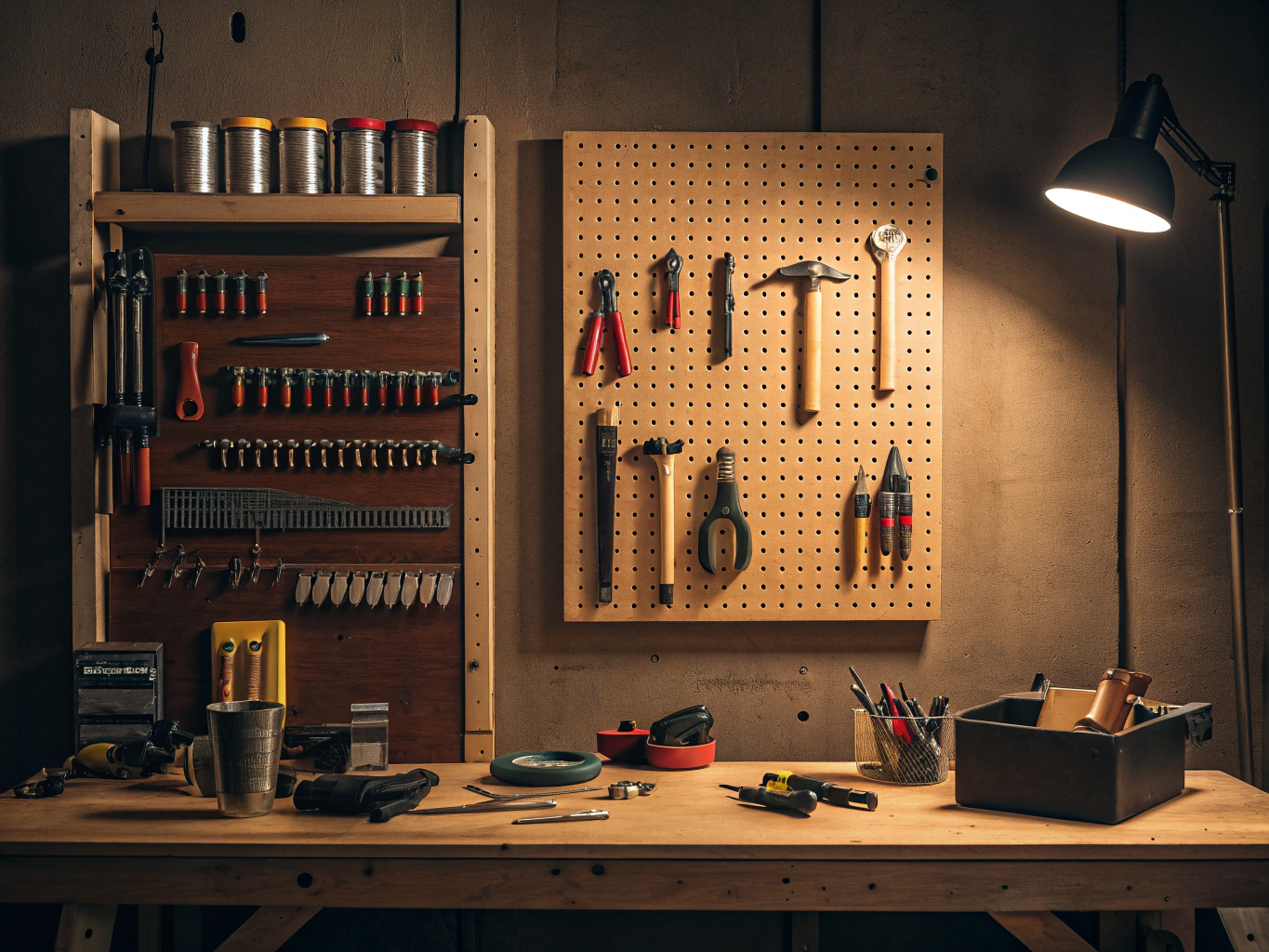
After you've cleaned your tools, protection is essential. Coating tools with a light machine oil after rust removal prevents future oxidation, according to This Old House. Keep a spray bottle of 3-in-1 oil in your workshop and give metal surfaces a quick wipe after each use. For long-term storage, paste wax creates an excellent barrier, especially on cast iron surfaces like table saw tops.
Prevention through proper storage and oiling is more effective than repeated rust removal, as noted by Bob Vila. The numbers back this up: regular maintenance every few months prevents rust from becoming a major problem, research from The Spruce confirms.
Power tools need extra attention. Keep their vents clear of dust, which traps moisture. Hand tools benefit from a monthly inspection: wipe them down, check for early rust spots, and reapply oil. Five minutes of prevention beats hours of scrubbing every time.
Quick Reference Guide: Choosing the Right Rust Removal Method
Not sure where to start? Here's how to match your rusty tools to the right rescue method.
For light surface rust (orange dust, no pitting): Start with white vinegar or baking soda paste. These pantry staples work in 2-4 hours with minimal elbow grease. Cost: under $5. Perfect for beginners who want immediate results without special equipment.
For moderate rust (visible corrosion, slight texture): Step up to citric acid or naval jelly. You'll need 4-8 hours of soaking time, but the chemical action does most of the work. Cost: $8-15. These methods handle what household items can't without requiring new skills.
For heavy rust (deep pitting, structural concerns): Break out the electrolysis setup or wire wheel attachments. Time investment: 6-12 hours plus setup. Cost: $25-60. Worth learning if you're restoring multiple tools or valuable pieces, as discussed by restoration experts.
Quick comparison: WD-40 and aluminum foil wins for speed (30 minutes), while electrolysis delivers the most thorough results. Vinegar offers the best effort-to-results ratio for most situations.
My recommendation: Start simple. Grab the vinegar from your kitchen and test it on your least valuable rusty tool. You'll learn how rust removal works without investing money or risking mistakes. Success builds confidence for tackling tougher projects later.
The best method is the one you'll actually use today. Pick your approach based on what you have available right now, not what might work perfectly in theory. Your tools have waited long enough.
Author
FirstSearch.AI Team