Predictive SEO Analytics: Essential Tools & Strategies for 2026
Last Updated: February 18, 2026
Key Takeaways
- Predictive SEO analytics shifts strategy from reactive to proactive, forecasting trends before competitors capitalize on them
- AI-driven tools reduce keyword research time by 80% and achieve 14.6% conversion rates versus 1.7% for traditional methods
- Platforms like SE Ranking and Surfer SEO use machine learning to estimate ranking changes and traffic potential in real-time
- Teams using predictive features report 2.3x ROI on content updates and 34% better resource allocation decisions
- By 2026, nearly 70% of SEO tasks will be automated with AI, making predictive analytics the new baseline for competitive advantage
What is Predictive SEO Analytics and Why It Matters in 2026
Predictive SEO analytics uses machine learning, historical data, and AI to forecast future search trends, ranking shifts, and traffic patterns before they happen. Unlike traditional SEO, which reacts to algorithm updates and trending topics after they've already peaked, predictive analytics positions you ahead of the curve by identifying opportunities months in advance.
This shift from reactive to proactive strategy isn't theoretical anymore. It's becoming table stakes.

The numbers tell a compelling story. 47% of marketers are already implementing AI SEO tools to improve search efficiency, and 84% are using them to identify and leverage emerging search trends. The global AI SEO software market is projected to reach $4.97 billion by 2033, up from $1.99 billion in 2024. But here's what should grab your attention: AI-driven SEO strategies achieve a 14.6% conversion rate, significantly higher than the 1.7% from traditional SEO methods, with companies reporting 10-20% sales ROI uplift.
Why 2026 specifically? Nearly 70% of SEO tasks are expected to be automated by 2026. If you're still operating on reactive strategies, you're already falling behind competitors who've integrated predictive capabilities.
This isn't about adopting technology for its own sake. It's about survival in a search landscape where speed and precision determine ranking dominance.
How Predictive SEO Analytics Works: The Technical Foundation
Think of predictive SEO analytics like weather forecasting for search. Just as meteorologists use historical data and atmospheric patterns to predict tomorrow's conditions, SEO tools use past performance and algorithmic signals to forecast future rankings and traffic shifts.
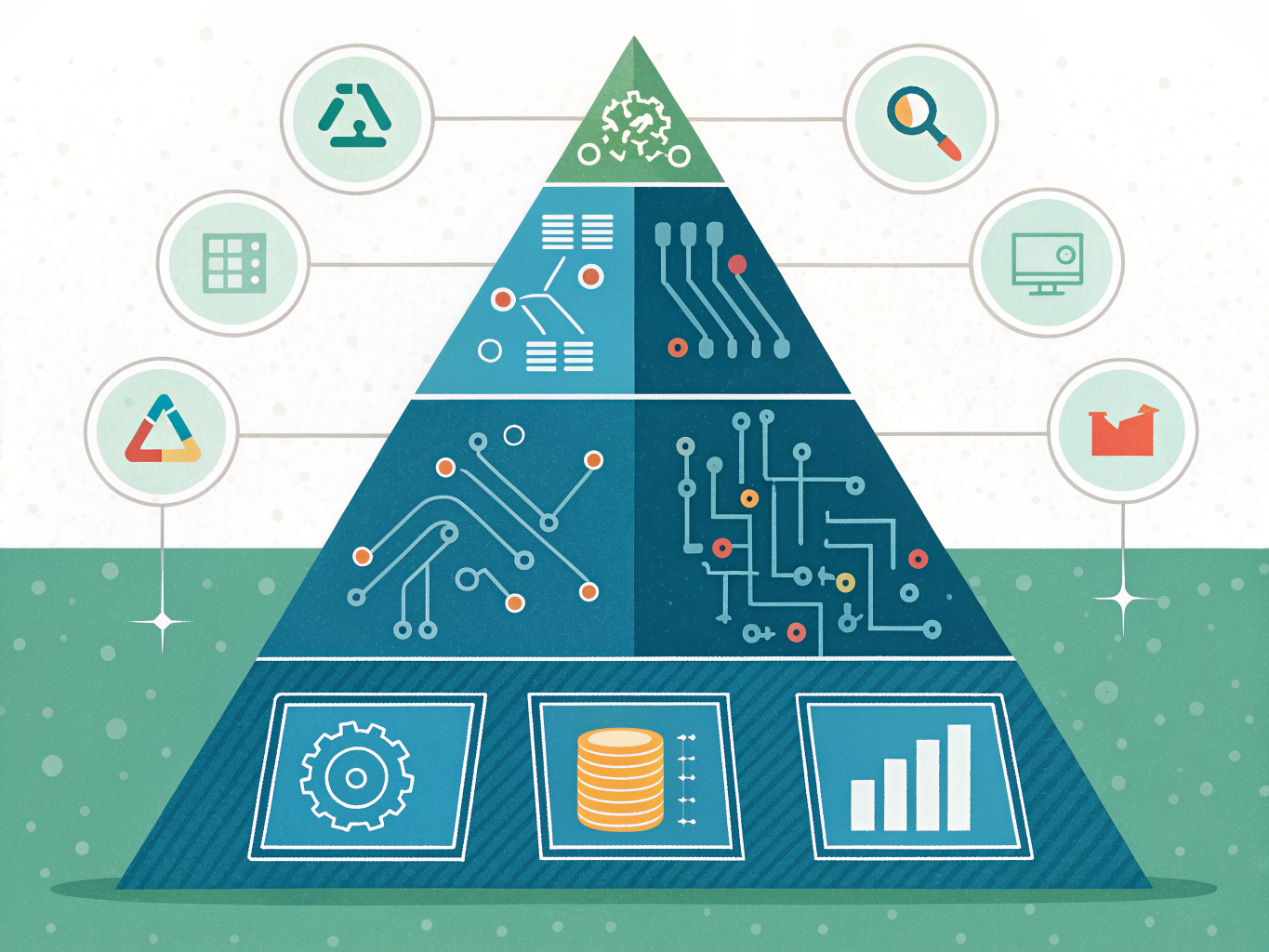
The foundation starts with data collection. Predictive tools ingest historical information from Google Analytics, Search Console, ranking trackers, backlink databases, and user engagement metrics. This creates a comprehensive snapshot of what's worked (and what hasn't) across your digital presence.
The second layer applies machine learning algorithms to identify buried patterns. These models use regression analysis to correlate factors like backlink quality with rankings; time-series analysis to spot seasonal fluctuations; and natural language processing to decode search intent shifts. According to Flowster's analysis of SE Ranking, tools like SE Ranking correlate keyword datasets with ranking fluctuations to estimate performance under specific optimization scenarios.
The final layer converts predictions into action. Instead of generic insights, you get concrete priorities: which content gaps will generate traffic, which keywords will spike seasonally, and where to allocate resources first.
Consider a real example: analyzing historical search volume for "eco-friendly office supplies" reveals a consistent September surge. Rather than scrambling last-minute, you'd publish optimized content in July, capturing early-season intent and dominating results when demand peaks.
This three-layer architecture transforms SEO from reactive firefighting into strategic planning. You're no longer chasing trends; you're anticipating them.
Top Predictive SEO Analytics Tools for 2026
The predictive SEO analytics market has matured significantly, and choosing the right tool depends on your team structure, content volume, and reporting priorities. Here's what separates the leading platforms.
SE Ranking functions as your unified command center. It connects keyword research, technical audits, and content optimization through AI-driven predictive capabilities, making it the strongest choice for agencies managing multiple client accounts. The platform's traffic forecasting and keyword intent modeling reduce guesswork in strategy planning. The trade-off: its comprehensive feature set requires some learning time for smaller teams.
Surfer SEO dominates if your operation produces 10+ articles monthly. The platform specializes in real-time AI Overview analysis and content performance predictions. Teams using the Predictive Traffic feature report 34% better resource allocation and 2.3x ROI on content updates compared to intuition-based prioritization, making it particularly valuable for content-heavy operations. However, it's less suited for teams focused on technical SEO or enterprise-scale auditing.
MarketMuse speaks the language executives understand: revenue impact. The platform's 2026 update introduced revenue impact modeling that estimates the business value of ranking improvements for specific content pieces. This makes it ideal for organizations with clear revenue attribution and stakeholders demanding ROI justification. The limitation is pricing complexity for smaller teams.
Advanced Web Ranking offers global reach that others struggle to match. The platform offers SEO forecasting to predict future organic traffic trends using historical ranking data and AI Overviews tracking, covering 4,000+ search engines. It's your best bet for international SEO strategies, though its interface feels less modern than competitors.
Diib takes a different approach entirely. Rather than comprehensive analytics, it uses AI anomaly detection to flag ranking drops before they tank visibility. This makes it perfect for small agencies needing automated alerts without platform complexity.
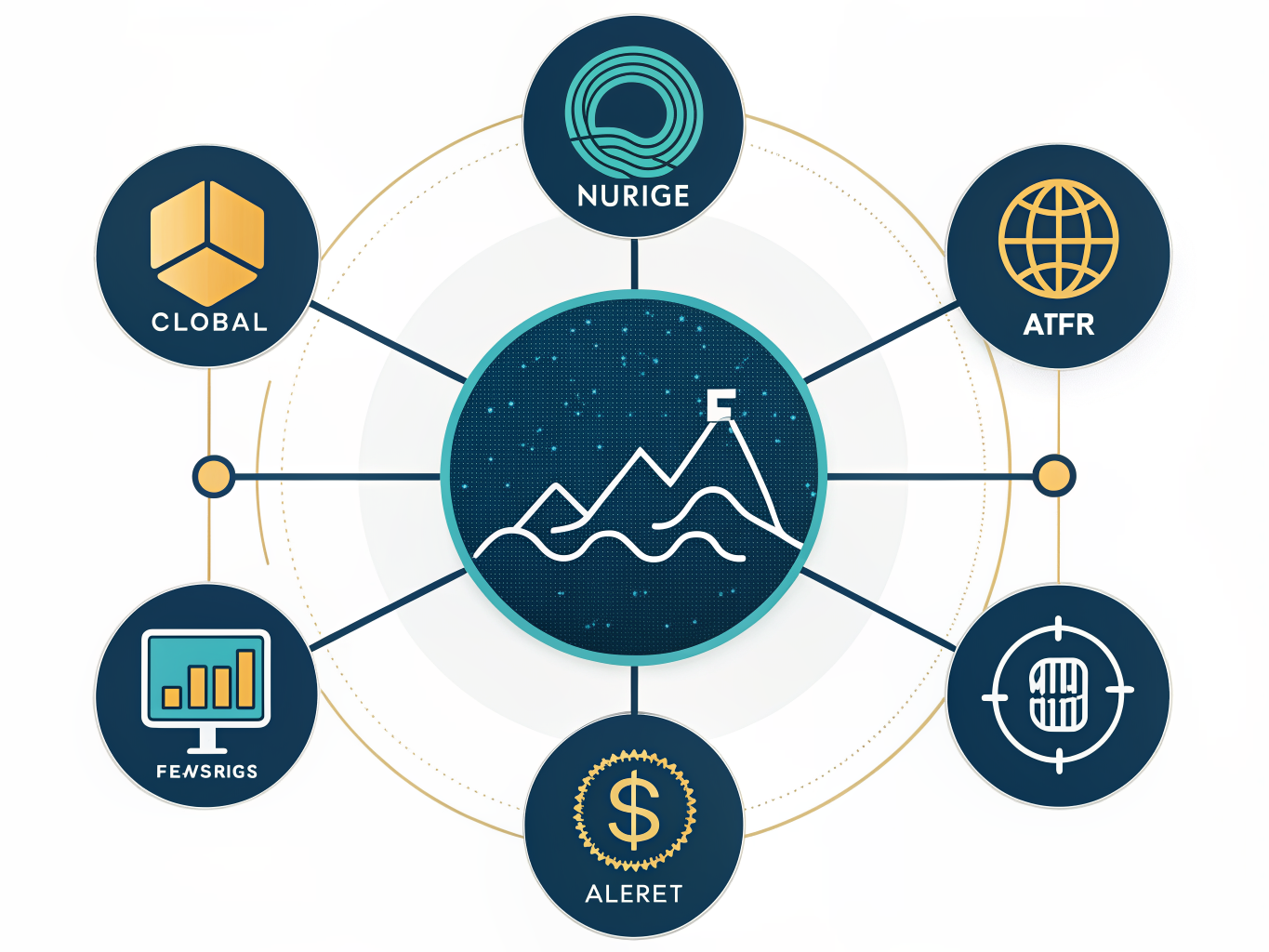
The best predictive SEO tool isn't the most feature-rich; it's the one that matches your workflow and reporting needs. Most successful teams actually combine two platforms: one for forecasting and one for execution.
Implementing Predictive SEO Analytics: A Step-by-Step Strategy
Getting predictive SEO analytics into your workflow doesn't require overhauling everything at once. Here's how to move from planning to results in six practical steps.
Step 1: Audit Your Data Foundation Pull 6 to 12 months of historical data from Google Analytics, Search Console, and your ranking tracker. This isn't optional; predictive models need clean, consistent data to work. Check for gaps, remove bot traffic, and standardize date ranges across platforms. Poor data in means unreliable forecasts out.
Step 2: Lock Down Your Forecasting Goals Are you predicting overall organic traffic, performance for specific high-value keywords, seasonal demand spikes, or conversion volume? Be specific. "Better SEO performance" won't cut it. Your objective shapes everything that follows, from metric selection to tool choice.
Step 3: Identify Your Key Metrics Rankings alone won't tell the story. Track CTR patterns, engagement time, seasonal fluctuations, competitor movement, and search intent shifts. Predictive SEO helps you find opportunities by analyzing patterns in traffic, impressions, and engagement, and the earlier you publish around an emerging topic, the higher your chances of ranking before the keyword becomes saturated. These signals feed better predictions.
Step 4: Choose Your Tools Strategically Start with free tiers or trials before committing budget. Many platforms offer limited-use versions that let you validate the approach for your specific situation. This reduces implementation risk and builds team confidence.
Step 5: Feed Predictions Into Content Planning This is where ROI happens. Create content for emerging trends 2 to 3 months before search volume peaks. You'll publish when competition is lighter and capture early traffic momentum.
Step 6: Review and Retrain Quarterly Compare actual results against your predictions. What worked? What didn't? Feed new data back into your model. This iterative cycle keeps your forecasts sharp and catches shifting market patterns early.

Quick wins appear within 90 days. Real transformation takes longer, but this framework gets you moving today.
Measuring ROI and Success Metrics for Predictive SEO
Measuring the impact of predictive SEO analytics requires tracking both hard numbers and operational gains. The strongest ROI signals come from organic traffic growth, conversion rate improvements, and revenue per visitor, but the real story often emerges in how efficiently your team operates.
Start with these primary metrics: monitor organic traffic month-over-month, track conversion rate changes tied to predictive content optimizations, and measure cost per acquisition shifts. Compare your ranking positions for target keywords against competitor movements. These metrics establish baseline credibility with stakeholders.

But efficiency gains deserve equal attention. Teams using predictive analytics report 34% better resource allocation and 2.3x ROI on content updates compared to intuition-based prioritization. You'll likely save 80% of time on keyword research alone, freeing your team for strategic work rather than manual analysis.
Validate your predictive model's accuracy by comparing forecasted traffic against actual results monthly. This feedback loop matters; it tells you whether your tool is genuinely anticipating market shifts or simply extrapolating historical patterns. Adjust your strategy accordingly.
On the financial side, companies investing in AI for SEO report revenue increases between 3% and 15%, with sales ROI uplift of 10% to 20%. These benchmarks vary significantly by industry and implementation quality, so set realistic timelines. Early trend adoption creates measurable competitive advantage: you'll rank faster for emerging opportunities and establish authority before competitors respond.
Track everything in a dashboard. Revenue impact matters most to executives, but resource efficiency and prediction accuracy matter most to your team's confidence in the system. Both perspectives drive long-term adoption.
Predictive SEO Analytics FAQ: Common Questions Answered
Q: Do I need to replace my current SEO tools? No. Most predictive analytics platforms integrate seamlessly with existing tools like Google Analytics, SEMrush, or Ahrefs. Start by adding predictive capabilities to your current stack rather than overhauling everything at once.
Q: How accurate are predictive forecasts? Expect 70-85% accuracy with proper data preparation. The quality of your historical data directly impacts results; clean, consistent data trains better models. Accuracy improves over time as algorithms learn your specific patterns and market behavior.
Q: What's the learning curve? Modern tools feature intuitive dashboards; basic functionality is accessible within days. However, optimizing advanced features takes 2-4 weeks of hands-on work. Most platforms offer solid documentation and support to accelerate this process.
Q: Can small businesses afford this? Absolutely. About 60% of marketers are now either piloting or scaling AI in their workflows, up 18% from 2023. Tools range from free tiers to enterprise solutions. Start with Google Analytics and free trials before committing to paid plans.
Q: How often should I update models? Quarterly updates capture seasonal shifts and algorithm changes. Monitor trends monthly to validate predictions and catch emerging patterns early.
Q: What's different from traditional forecasting? Predictive SEO uses machine learning to identify non-obvious patterns; traditional forecasting relies on manual analysis and historical trends alone. This means discovering opportunities your competitors might miss.
The Future of Predictive SEO Analytics: What's Coming in 2026 and Beyond
The SEO landscape of 2026 demands a fundamental shift from reaction to prediction. Three critical trends are reshaping how competitive organizations approach search strategy.
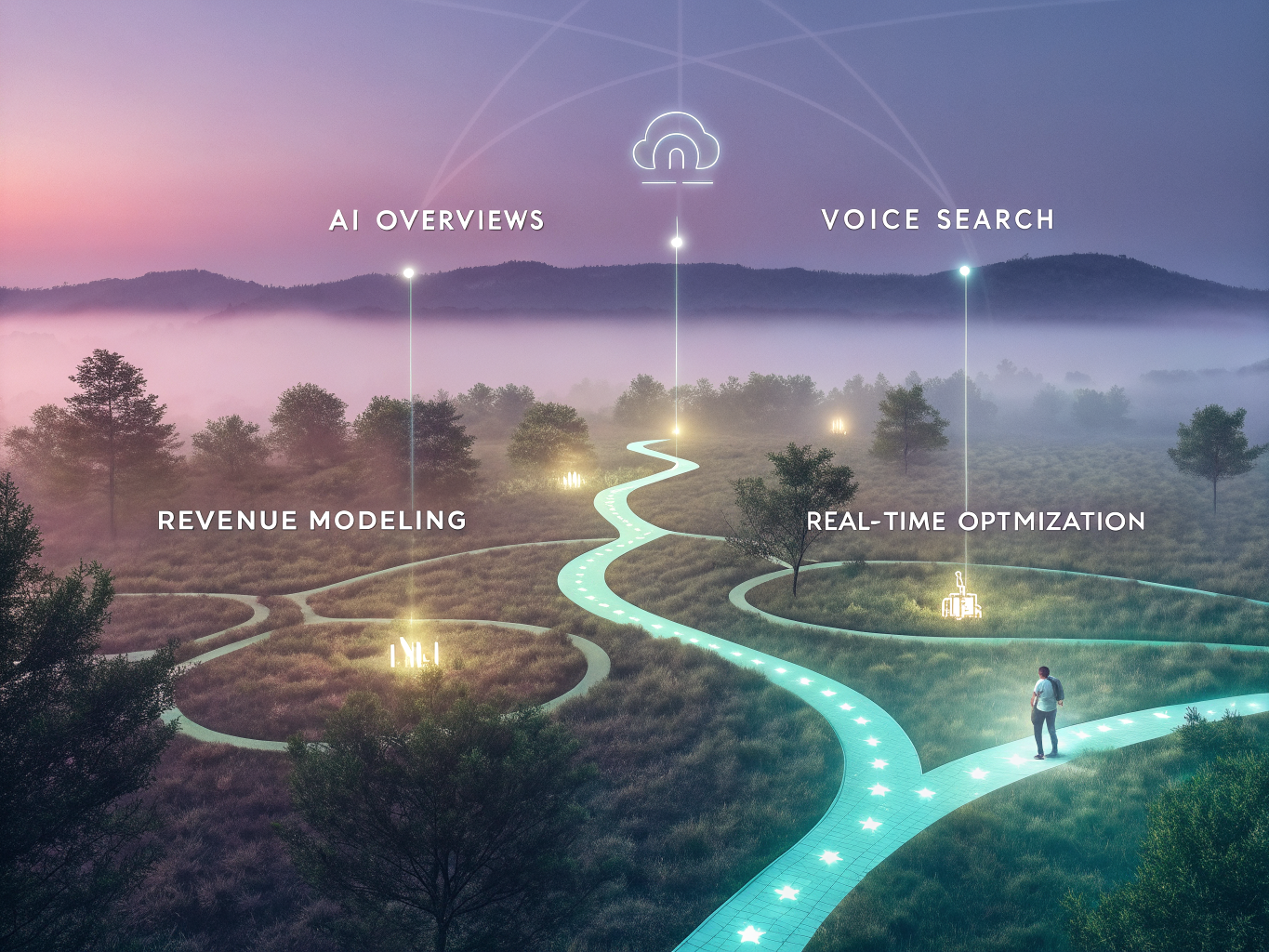
First, AI Overviews optimization is no longer optional. As Google's AI-generated answers continue reducing traditional click-through rates, predictive tools now track AI visibility alongside organic rankings. This dual-metric approach reveals opportunities competitors miss.
Second, voice search forecasting using natural language processing will separate leaders from laggards. Industry forecasts indicate nearly 70% of SEO tasks are expected to be automated with AI tools by 2026. Voice adoption is accelerating, and predictive systems can now forecast how users will phrase conversational queries months before search volume spikes.
Third, revenue impact modeling has evolved beyond traffic prediction. Tools now forecast actual business outcomes, connecting keyword rankings directly to pipeline and revenue impact. This shifts SEO from a cost center to a measurable revenue driver.
The urgency is real: organizations without predictive analytics will struggle to compete with those leveraging AI insights. Real-time prediction updates mean models now retrain monthly or weekly rather than quarterly, requiring continuous adaptation.
Your next move: audit your current data readiness, select a pilot tool, and forecast one key metric within 30 days. Building internal expertise now positions you ahead of the automation wave.
Conclusion: Start Your Predictive SEO Journey Today
The choice ahead is binary: move forward with predictive SEO analytics, or watch competitors who do gain measurable ground. Nearly half of marketers are already implementing AI-powered SEO tools, and that gap widens monthly. Staying reactive means losing visibility into market shifts until after your rankings suffer.
The numbers justify the effort. Teams adopting predictive analytics report 2.3x ROI on content updates, 34% better resource allocation, and conversion rates hitting 14.6% versus 1.7% with traditional methods. That's not marginal improvement; that's competitive separation.
Here's the realistic part: implementation requires initial work. You'll need to audit your current data infrastructure, select tools that fit your budget and team size, and commit to learning new workflows. But the alternative, reactive scrambling when algorithms shift, costs far more in time and lost opportunity.
Start small. Pick one metric to forecast, whether organic traffic, keyword rankings, or content performance. Evaluate your data readiness this week. Choose a predictive tool aligned with your needs within the next two weeks. Launch your first forecast before month's end.
The 2026 winners won't be the teams with the most data. They'll be the ones using data to anticipate what comes next. That can be your team. Begin today.
FirstSearch
FirstSearch.AI Team