SEO AI Integration: Complete Guide for 2026
Last Updated: February 14, 2026
Key Takeaways
- AI integration transforms SEO from reactive optimization into predictive intelligence systems
- 2026 splits SEO into two strategies: traditional search for clicks and AI search for machine readability
- Leading tools like Semrush, Surfer, and Ahrefs now include AI visibility tracking across ChatGPT, Gemini, and Perplexity
- Human expertise remains essential; AI automates detection and reporting but requires professional strategy
- Technical SEO foundations are prerequisites for success in both traditional and AI-driven search
What is SEO AI Integration and Why It Matters in 2026
SEO AI integration means fundamentally rethinking how your content gets discovered. It's no longer enough to optimize for Google's traditional search results. Today, your content needs to be discoverable, extractable, and trusted across AI-powered search experiences like ChatGPT, Claude, and emerging search interfaces that prioritize machine readability alongside human relevance.
The shift is real. Traditional SEO optimizes for clicks; AI SEO optimizes for machine understanding. That's a critical difference. When an AI system summarizes search results or generates answers directly, it's pulling from indexed content that it can parse, comprehend, and cite with confidence. If your content isn't structured for machine readability, you're invisible to these systems.

The market is accelerating. The global AI SEO software market is projected to reach $4.97 billion by 2033, up from $1.99 billion in 2024, according to market research from SEO.com. That growth reflects urgency, not hype.
Here's what matters now: businesses that ignore AI integration face a genuine competitive disadvantage within 12 to 18 months. Your competitors are already optimizing for these systems. Waiting isn't a strategy.
The Dual Path: Traditional SEO vs. AI Search Optimization

2026 marks a critical inflection point: SEO is splitting into two distinct strategic problems that demand different optimization approaches.
Traditional SEO optimizes for human clicks. You earn visibility on search results pages, craft titles and meta descriptions for human eyes, and build authority signals that Google's ranking algorithms recognize. This path remains essential because searchers still browse results, click links, and navigate websites.
But AI search optimization targets an entirely different audience: machines. When you appear in an AI-generated answer or AI-powered recommendation, humans never see your URL or click through. Instead, AI systems have extracted your information, synthesized it with competing sources, and presented it to users directly. Your content either gets included or it doesn't, based on how machine-readable and trustworthy it appears to AI models.
The stakes intensify with agentic AI. Soon, AI won't just recommend the best running shoes; it will find your size, apply a coupon, and execute checkout. Your organic visibility must establish trust before AI commerce auctions even open.
This divergence reshapes content strategy fundamentally. Traditional SEO rewards comprehensive guides and comparison articles. AI search optimization rewards structured data, entity clarity, and transactional confidence. You need both.
The winning move isn't choosing between them. Instead, brands in 2026 run integrated systems where content strategy, editorial calendars, and product teams align on a single truth. Your SEO tools connect to your business data; your AI integration tools connect to your content infrastructure. When these systems move in sync, you capture visibility across human search, AI recommendations, and machine execution.
The split is real, but the solution is holistic.
How AI Integration Transforms Core SEO Workflows
AI fundamentally changes how SEO teams approach their core work. Instead of manually sorting keywords by search volume, you're now grouping them by intent clusters that recognize semantic relationships. A query like "best running shoes for marathons" clusters with related searches around marathon training, foot care, and endurance gear, even if they don't share identical keywords. This shift from volume-based to intent-based organization means you're targeting actual user needs rather than chasing numbers.
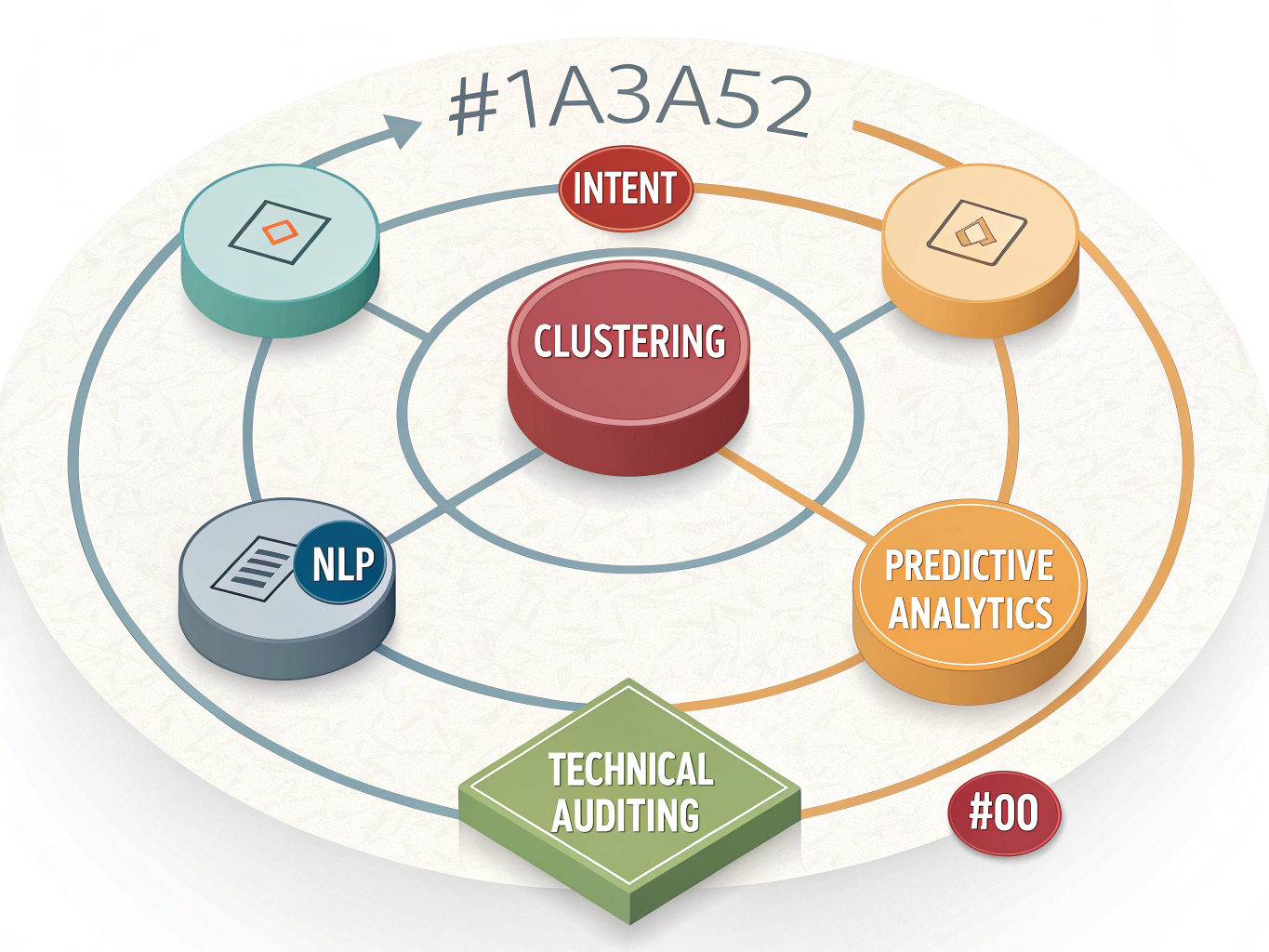
Natural language processing has rewritten content optimization entirely. Rather than obsessing over keyword density, NLP algorithms now evaluate whether your content actually answers what searchers are looking for. The system recognizes that "affordable athletic footwear" and "cheap running shoes" address the same intent, so it can guide your writing toward genuine relevance instead of forced keyword placement.
Predictive analytics represent the biggest operational shift. Before publishing or making technical changes, machine learning algorithms can identify patterns, trends, and correlations that empower informed SEO decisions. You can forecast how a site restructure affects traffic or estimate the ranking impact of new content before launch. This moves SEO from reactive firefighting to strategic planning.
Machine learning also catches problems you'd miss manually. Ranking decay, content freshness issues, and competitive shifts trigger automated alerts before they tank your visibility. Technical SEO workflows now run largely unsupervised, with AI handling schema markup optimization, crawl efficiency analysis, and mobile usability checks that once required hours of manual auditing.
The practical result: your team spends less time on repetitive analysis and more time on strategy that actually matters. You're working with data-driven forecasts rather than educated guesses, making SEO decisions faster and with measurable confidence.
Top AI SEO Tools and Their AI Capabilities in 2026
The AI SEO tool ecosystem in 2026 has matured beyond simple automation into genuinely intelligent platforms that understand search intent, predict ranking volatility, and optimize across traditional and AI-powered search environments.
Semrush leads with proprietary AI models that map keyword intent and forecast competitive trends. Its AI SERP clustering groups keywords by search intent rather than exact match, while the Copilot feature generates keyword recommendations based on actual ranking patterns. The writing assistant scores content against top-ranking pages, identifying gaps in semantic coverage before publication.
Surfer SEO uses NLP algorithms to analyze how Google rewards content structure and semantic depth. Rather than targeting keyword density, it identifies what topics and subtopics rank together, then guides content creation toward those patterns. The automation features handle routine optimization tasks, freeing teams for strategic decisions.
Ahrefs extended its capabilities with Brand Radar, tracking how your content appears across ChatGPT, Gemini, and Google's AI Overviews. This addresses the critical 2026 shift: traditional SERP rankings matter less if AI summaries bypass your site entirely. SE Ranking offers comprehensive AI automation with predictive analytics that forecast which keywords will rise or fall based on search behavior patterns.
Jasper AI transformed into a generative SEO platform, combining GPT-based content generation with SERP-driven data. It learns what search results reward, then generates drafts aligned to those patterns rather than generic templates.
The practical reality: these tools work best together. Semrush handles competitive analysis and keyword clustering; Surfer or Ahrefs manages content optimization and visibility tracking; Jasper accelerates initial drafts. Most platforms offer tiered pricing from $99 to $500+ monthly, with enterprise plans providing API access and custom integrations. The investment pays when you shift from reacting to Google updates toward predicting them.
Building Your AI-Integrated SEO Strategy: Best Practices
Implementing AI-integrated SEO starts with a non-negotiable foundation: solid technical SEO. Before AI can amplify your visibility, your site architecture, crawlability, and core web vitals must be optimized. This baseline matters equally for traditional search rankings and emerging AI-driven discovery channels. Skip this step, and AI tools become expensive noise generators.
Next, establish clear governance around AI use. Create workflows that combine AI's speed with human expertise. AI-generated content alone won't earn citations; you need human judgment to verify accuracy, maintain brand voice, and build authority. Assign ownership: who reviews AI outputs? Who ensures factual accuracy? Who decides when AI suggestions actually align with your strategy?
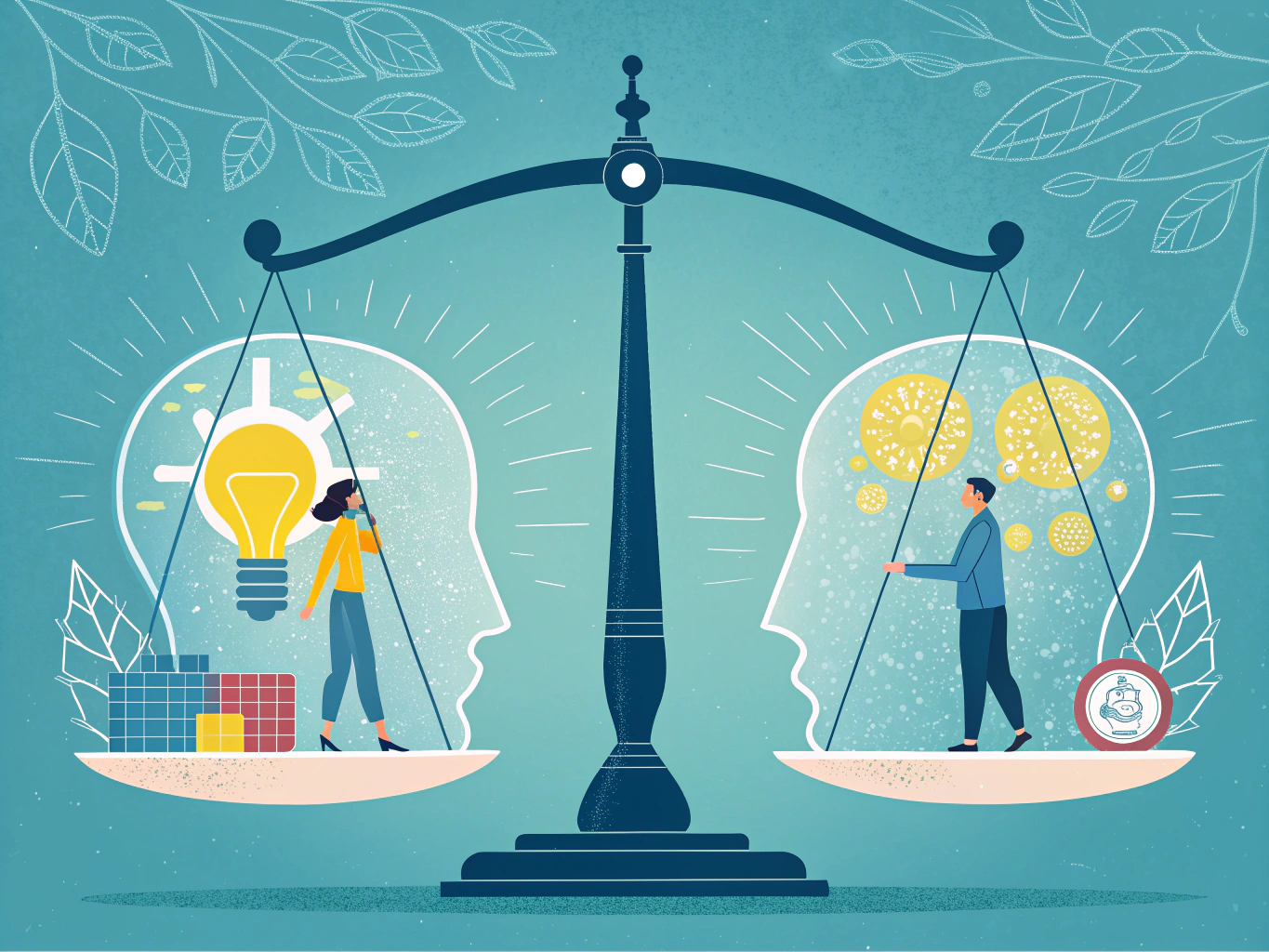
For content optimization, use AI to research intent, identify gaps, and draft at scale. Then apply human creativity to storytelling, nuance, and expert perspective. This combination drives both visibility and credibility.
Finally, measure what matters. Track traditional rankings, but also monitor AI visibility metrics: how often your content appears in AI-generated summaries, knowledge panels, and emerging search interfaces. Use tools that reveal performance across multiple discovery channels, not just organic clicks.
The reality is this: AI amplifies your existing SEO foundation. It doesn't replace strategic thinking or human expertise. The teams winning in 2026 aren't choosing between AI and human effort; they're orchestrating both in deliberate, measurable ways.
Common Mistakes and How to Avoid Them
The most common mistake we see is treating AI tools as plug-and-play solutions. Teams need time to learn platforms and configure them properly for your specific context. Out-of-the-box settings rarely align with your strategy, so budget weeks, not days, for implementation and testing.
Another pitfall is assuming AI-optimized content alone will move rankings. Content optimization matters, but without strategic direction, you're just polishing content that doesn't address actual user intent or competitive gaps. AI enhances strategy; it doesn't replace it.
Technical SEO often gets sidelined when teams become obsessed with AI-driven content work. Core Web Vitals, site architecture, crawlability, and structured data still form your foundation. AI can't fix a broken crawl path or poor mobile performance. Both layers must work together.
Data security deserves real attention here. Connecting AI platforms carelessly creates security holes, especially when linking proprietary data to third-party systems. Audit vendor security practices and understand what data you're sharing before integrating.
Finally, don't assume AI replaces your team's expertise. The best results come when AI handles pattern recognition and optimization at scale while your strategists focus on competitive positioning, user experience decisions, and business outcomes. Your SEO professionals become more valuable, not redundant.
The reality: AI integration requires upfront investment in learning, configuration, and oversight. But teams that treat it as a complement to solid fundamentals rather than a shortcut see meaningful results. Start small, measure impact, and scale deliberately.
The Future of SEO: AI Integration Beyond 2026
The next phase of SEO AI integration won't be about optimization anymore. It'll be about automation at scale.
We're entering an era where the agentic web moves beyond recommendations to actual transaction execution. AI won't just suggest products; it'll complete purchases on your behalf. For SEO professionals, this means your content strategy must evolve from visibility-focused to conversion-focused at every touchpoint.
Search itself is fragmenting. In 2026, the industry is splitting into two distinct strategic problems: traditional SEO and AI search optimization. Google remains dominant, but ChatGPT, Claude, Perplexity, and specialized AI agents are capturing growing portions of search behavior. You can't afford to optimize for one platform anymore.
Hyper-personalization will make generic content strategies obsolete. Tomorrow's winners aren't those with the most content; they're those with content that adapts to individual user contexts in real time. This requires AI integration at your infrastructure level, not just your content layer.

The teams that lead in 2027 aren't waiting for perfect tools or complete certainty. They're experimenting now, learning continuously, and adapting their strategies monthly rather than quarterly.
Your move? Start mapping your AI integration roadmap today. The gap between leaders and laggards will only widen from here.
Frequently Asked Questions About SEO AI Integration
Is AI replacing SEO professionals?
No. AI automates repetitive tasks like keyword research, technical audits, and performance reporting, but it can't replace strategic thinking. You still need humans to interpret data, make judgment calls about content direction, and align SEO with business objectives. AI handles the grunt work; professionals handle the strategy.
Which AI tool should I use?
It depends on your priorities. Enterprise teams need comprehensive platforms that integrate with existing workflows. Small businesses often start with focused tools for content optimization or keyword research. Evaluate based on your specific gaps: Are you struggling with content scale? Technical issues? Competitive analysis? Choose accordingly rather than adopting tools for their own sake.
How do I measure AI SEO success?
Track both traditional metrics (rankings, organic traffic, conversions) and AI-specific indicators. Monitor how often AI recommendations are implemented and their impact on performance. Measure time saved on manual tasks. The real win is combining faster execution with smarter decisions, so look at velocity plus quality.
Can small businesses afford AI tools?
Absolutely. AI democratization is empowering businesses to improve rankings regardless of size or budget. Many platforms offer tiered pricing; you don't need enterprise solutions to benefit from AI. Start with one tool addressing your biggest bottleneck, then expand as ROI becomes clear.
Do I need to completely overhaul my SEO strategy?
Not overnight. Integrate AI into your existing process incrementally. Test recommendations before scaling. AI works best when it augments what you're already doing well, not replaces your entire foundation.
FirstSearch
FirstSearch.AI Team