SEO AI Tools vs Google Analytics: Which is Better for 2025?
The Core Difference: Analytics vs Optimization
Here's the section:
Think of Google Analytics and SEO AI tools as measuring different chapters of the same story. One tells you what happens after someone arrives at your site; the other ensures they actually find you in the first place.
Google Analytics captures user behavior once visitors land on your pages. It tracks how long they stay, which content they engage with, whether they convert, and where they bounce. It's retrospective data, answering the question: "What did people do on my site?" According to Google's official documentation, Google Search Console provides data about how your website performs in Google Search results with impressions and clicks, while Google Analytics tracks user behavior after they arrive. This distinction matters more than ever.
SEO AI tools operate upstream, optimizing your visibility before anyone clicks through. They analyze search intent, suggest content improvements, identify keyword opportunities, and increasingly help you rank in AI-powered search results like ChatGPT and Perplexity. They're predictive, answering: "How do I get found in the first place?"
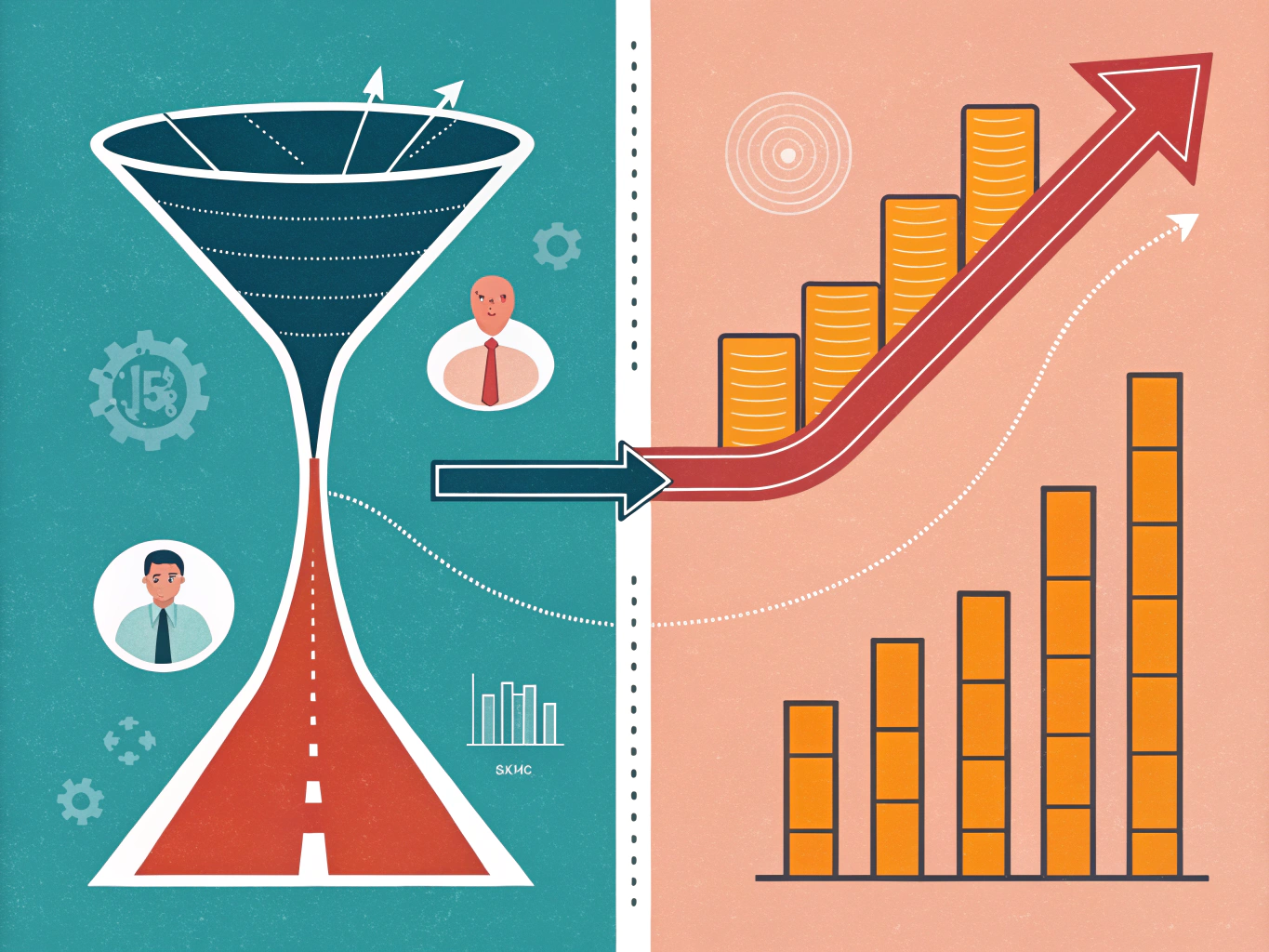
In 2025, this distinction is critical. Search itself is fragmenting. You need SEO AI tools to navigate traditional Google results, zero-click answers, and emerging AI platforms simultaneously. You need Google Analytics to understand what actually converts. Neither replaces the other; they're two halves of a complete picture.
Why 2025 is Different: The AI Search Revolution
Search is fundamentally reshaping in 2025, and your traditional SEO dashboard isn't telling the whole story anymore.
According to research from Atomic AGI, Google's AI Overviews now appear in over 13% of search results, up from just 6.5% in January. That's a doubling in three months. Meanwhile, recent data on AI platform adoption shows ChatGPT reached 400 million weekly users by February 2025, creating entirely new discovery channels that bypass Google entirely.
Here's what keeps SEO leaders up at night: Google Analytics can't see what's happening in ChatGPT, Perplexia, or Claude. When your content gets cited in an AI response, you get zero traffic, zero clicks, zero visibility in your metrics. Your website becomes an invisible source, feeding intelligence to competitors' platforms.
Gartner's search predictions suggest traditional search engine volume will drop 25 percent by 2026 due to AI platforms and virtual agents. This isn't speculation; it's happening now.
The zero-click phenomenon has evolved. Users no longer need to visit your site for answers because AI platforms synthesize your content on their interface. Your SEO rankings might improve while your actual business impact shrinks.
This is why AI visibility tracking alongside traditional analytics has shifted from "nice to have" to essential infrastructure. You need both lenses: Google Analytics for direct traffic patterns, and AI-focused tools for the growing dark matter of search where your content lives but generates no conventional metrics.
Google Analytics: What It Does (And Doesn't)
Google Analytics 4 excels at one critical job: showing you what happens after someone lands on your site. According to Flying V Group's analysis, Google Analytics focuses on understanding user behavior and trends through its superior web analytics capabilities, revealing what visitors actually do on your website.
This matters enormously. GA4 tracks traffic sources, conversion funnels, and user journeys across multiple channels. You can see which pages drive sales, how users navigate your site, and where they drop off. According to SEO Testing's detailed comparison, GA4 is better for tracking conversions and allows you to build funnels, measure events, and see user journeys across multiple traffic sources. If you care about ROI and user behavior, GA4 provides the insights you need.
But here's where GA4 hits a wall: it cannot measure search visibility or keyword rankings. It won't tell you how your content performs in AI platforms like ChatGPT, Claude, or Perplexity. It can't identify technical SEO issues, track competitor strategies, or show you which search queries actually bring people to your site (thanks to keyword privacy). GA4 also requires proper implementation to function accurately, meaning a misconfigured tracking setup gives you false confidence in broken data.
Think of GA4 as your post-click intelligence system. It answers the question: "What did my visitors do?" But it doesn't answer: "Why did they find me?" or "How visible am I in search?" Those gaps are precisely where SEO AI tools step in. Neither tool replaces the other; they're working different parts of the same problem. Relying solely on GA4 for SEO decisions is like navigating with only a rearview mirror.
SEO AI Tools: Purpose and Power
Modern AI SEO tools operate as your search visibility command center, handling tasks that Google Analytics simply wasn't designed to tackle. While GA4 excels at showing you what happens after someone lands on your site, AI tools reveal whether they find you in the first place, and increasingly, where you appear across the expanding search ecosystem.
These platforms excel at keyword research and rank tracking, monitoring where your content ranks for thousands of search terms across devices and locations. They analyze competitor strategies in real-time, identifying content gaps and opportunities you might otherwise miss. Technical SEO audits run automatically, flagging issues from crawlability problems to Core Web Vitals impacts before they tank your visibility.
What's changed dramatically for 2025 is AI visibility tracking. Modern tools now monitor your presence in ChatGPT, Perplexity, and Google AI Overviews, recognizing that traditional search rankings no longer tell the complete story. Machine learning capabilities optimize content recommendations based on patterns across thousands of winning pages, while predictive analytics forecast traffic shifts before they happen.
According to Flying V Group's comprehensive guide, Google Analytics and Semrush serve fundamentally different purposes; Google Analytics focuses on user behavior and website traffic analysis, while Semrush specializes in SEO and competitive research. The distinction matters because you need both perspectives. According to Atomic AGI's research on tool combinations, the most successful SEO strategies in 2025 combine tools from each category rather than relying on a single platform. This integrated approach gives you the visibility layer GA4 cannot provide, plus the behavioral insights that prove whether your rankings actually drive business value.
Head-to-Head: Key Differences Explained
Google Analytics and SEO AI tools operate from fundamentally different vantage points. Think of it this way: GA4 watches what happens after someone lands on your site, while SEO tools monitor whether they find you in the first place.
The Data Source Difference
GA4 relies on tracking code installed directly on your website. It captures user behavior once they've already arrived. SEO tools, by contrast, pull data from external sources like search engines and web crawlers. They show your visibility in search results before anyone clicks through. According to Google's official guidance, these tools use different metrics and systems, which means the data won't match completely and you'll have access to more metrics when you visit each tool.
What Each Tool Actually Measures
GA4 excels at conversion tracking and user journey analysis. You'll see bounce rates, session duration, goal completions, and revenue attribution. It's real-time or near-real-time, giving you immediate insights into user behavior.
SEO tools focus on search visibility: keyword rankings, backlink profiles, technical crawl issues, and competitor analysis. However, they typically operate on a 1-3 day delay since they're aggregating external data.
The Bridge: Google Search Console
Google Search Console sits between these two worlds. According to SEO Testing's comparison, Google Search Console is better for technical SEO showing crawl errors, indexing issues, mobile usability, and security warnings, while GA4 is better for tracking conversions. GSC shows search impressions and click-through rates, making it the crucial link between your visibility and actual traffic.
The Integration Advantage
Here's where 2025 changes things: both tools can now integrate with each other. You can connect GA4 with Google Search Console to see which search queries drive conversions, or link GA4 with SEO platforms to understand how ranking improvements translate to business results.
The distinction isn't about choosing one; it's about understanding what each reveals. GA4 answers "what are users doing?" SEO tools answer "are users finding you?" Together, they provide complete visibility.
Top AI SEO Tools for Content Optimization and Visibility
The AI SEO tool landscape has shifted dramatically. You're no longer just optimizing for Google's algorithm; you're competing across multiple AI platforms simultaneously.
According to Backlinko's latest tool reviews, Semrush now helps you monitor how AI platforms talk about your brand across ChatGPT, Perplexity, Gemini, Claude, and Google AI Overviews. This matters because your content might rank brilliantly in traditional search but remain invisible to AI systems that increasingly mediate how people discover information.
Surfer SEO takes a different approach, providing real-time content scoring and NLP-based optimization that analyzes top-ranking pages to guide your writing. It's particularly useful if you want immediate feedback on whether your content matches search intent before publishing.
According to Rankability's comprehensive testing, Rankability, Clearscope, and Surfer are the best SEO content optimization tools as of October 2025, with incredibly accurate topic suggestions for creating perfectly relevant content that ranks. Clearscope specializes in content brief creation specifically optimized for AI search algorithms, while Rankability combines keyword research with AI visibility analytics in one dashboard.
The real differentiator is cross-platform tracking. According to Whatagraph's detailed tool analysis, Writesonic offers cross-platform visibility tracking across ChatGPT, Gemini, Perplexity, and Google AI Overviews with unified analytics combining AI traffic, human visits, and crawler data.
Here's the critical insight: these tools work best alongside Google Analytics. GA4 shows you what happens after someone arrives; AI SEO tools show you whether they find you in the first place. Use them together, and you'll spot visibility gaps that either platform alone would miss.
The Integration Advantage: Using Both Together
Here's the reality: Google Analytics tells you what happened on your site, while SEO AI tools tell you why it happened in search. Together, they're unstoppable.
GA4 excels at showing which pages convert and how users behave once they arrive. But it's blind to search visibility, ranking positions, and competitive movement. That's where SEO tools step in. They reveal which pages are getting impressions, clicks, and rankings; GA4 can't access that data. The magic happens when you combine them: you spot content that drives traffic but tanks on conversions, or pages ranking well that barely move the needle on your bottom line.
Here's what makes integration powerful: SEO AI tools identify technical issues that GA4 simply can't detect, like crawlability problems, indexation gaps, or mobile rendering failures. These issues tank your visibility before traffic even arrives. According to Flying V Group's integration strategy, combining competitive analysis with detailed website data creates a deeper understanding of your digital landscape and drives more impactful decisions.
The workflow advantage is significant too. According to AgencyAnalytics' reporting insights, AI tools analyze data sources like Google Analytics, Search Console, and backlink data to generate reports in a fraction of the time, with faster generation and improved consistency. Rather than manually exporting data and cross-referencing spreadsheets, integrated dashboards let you correlate visibility changes directly with traffic drops in seconds.
According to iBeam Consulting's integration guide, SEO tools apply AI technologies to Google Search Console data in useful ways, providing more accurate and fresher data than GSC alone. Professional SEO teams have already made this their standard practice; it's no longer optional.
Real-World Scenario: How They Work Together
Imagine this: your blog post on "best project management tools" pulls 2,000 monthly visitors through Google Analytics, but 68% bounce within seconds. Your team's first instinct? Rewrite the content. But that's where integrated analysis saves you from wasted effort.
GA4 tells you that people are leaving. According to Google's official guidance, Search Console serves as the source of truth for search performance, while Google Analytics reveals behavior inside your site. When you cross-reference these tools, you discover the real problem: you're ranking for "project management software comparison" but your content targets "best tools for remote teams." The keyword mismatch explains the bounce rate, not poor writing.
Now layer in AI visibility tools. A search across ChatGPT, Claude, and Perplexity reveals your article isn't being cited at all. Competitors' guides appear in LLM responses consistently. This tells you the content lacks the authoritative structure and data density that AI models prioritize for citations.
Here's where the workflow gets actionable: your team now knows the fix isn't a rewrite, it's a repositioning. You need to target the high-volume keyword you're actually ranking for, restructure content with cited statistics and frameworks that AI systems recognize, and potentially rebuild internal links to signal topical authority.
This integrated approach prevents the common trap of optimizing for vanity metrics. Without connecting GA4 bounce rates to keyword mismatches and AI visibility gaps, you'd spend weeks on content changes that miss the real issue entirely.
Which Should You Choose? (Spoiler: You Need Both)
Here's the straightforward answer: you need both, but they serve completely different functions.
Google Analytics is non-negotiable. It's free, it's foundational, and it answers the question every business owner cares about: are people converting? Without GA4, you're flying blind on user behavior, revenue attribution, and whether your traffic actually matters. This is table stakes.
SEO AI tools are your competitive advantage. They answer the visibility question: where do you rank, how are competitors positioned, and what's happening with AI search integration? These tools accelerate decision-making by months.
Your specific path depends on business size and resources.
For SMBs: Start with GA4 plus one focused AI tool. Surfer or Rankability give you content optimization and ranking visibility without overwhelming complexity. This combination costs under $200 monthly and covers 80% of what you need.
For enterprises: You need integrated platforms that combine analytics, AI visibility tracking, and competitive intelligence. The investment is higher, but fragmented tools waste more time than they save.
Here's what's changed in 2025: AI visibility tracking moved from "nice to have" to mandatory. According to Neil Patel's AI visibility analysis, AI visibility tools complement traditional marketing rather than replacing it; you still need solid content strategy, SEO fundamentals, and audience understanding. According to Backlinko's comprehensive guide, with the right tools, you can still win visibility across Google, YouTube, AI Search, and more by moving faster, making smarter decisions, and focusing on what actually drives results.
Stop choosing between them. Implement GA4 this week if you haven't already, then add one AI tool that matches your budget and goals.
Getting Started: Your Action Plan for 2025
Here's your action plan for making both tools work together in 2025:
Start with GA4 basics. Audit your current setup to ensure tracking fires correctly across all pages and devices. If you haven't already, implement conversion tracking for your highest-value actions, whether that's purchases, sign-ups, or demo requests. Create custom dashboards that show what matters most to your business, not just vanity metrics.
Pick one SEO AI tool strategically. Don't chase every shiny option. According to Whatagraph's tool evaluation framework, AI tools should integrate seamlessly into existing workflows and speed up repetitive tasks, giving teams more time to focus on strategy. Choose based on your primary need: content optimization tools like Surfer or Jasper for smaller teams; visibility platforms like Semrush or Ahrefs for technical SEO; or lightweight options like Moz for budget-conscious businesses under $500/month.
Connect everything. Link your SEO tool to GA4 and Google Search Console. This unified view shows which keywords drive actual conversions, not just traffic.
Establish baselines now. Document your current rankings, organic traffic, conversion rates, and keyword visibility. You need these numbers to measure progress.
Review weekly. Spend 30 minutes each week comparing SEO metrics against conversion data. You'll spot patterns quickly, like which content types actually move the needle for your business.
Author
FirstSearch.AI Team