SEO and Content Strategy: Building a Winning Digital Plan
Last Updated: August 30, 2026
Key Takeaways
- SEO and content strategy work together to drive organic traffic and conversions through planned, optimized content
- Businesses with a documented strategy generate 3x more leads than those without one
- Hub and Spoke content structure builds topical authority and helps Google rank your site higher
- Search intent alignment, keyword research, and consistent measurement are non-negotiable foundations
What Is SEO and Content Strategy?
An SEO and content strategy is fundamentally a plan for creating and publishing high-quality content optimized for search engines to drive organic traffic to your website. But here's what matters more: it's about building genuine authority while solving real problems for your audience.
The difference between having a strategy and posting randomly is stark. Random content creation feels productive in the moment, but search engines don't reward scattered effort. They reward structure, consistency, and content aligned with actual user intent. When you have a documented strategy, you're telling search algorithms exactly what your site is about, how topics connect, and why people should trust you.
The business impact is impossible to ignore. Businesses with a documented strategy generate 3x more leads than those without one. That's not a marginal improvement; that's the difference between a marketing channel that works and one that drains resources.
Without strategy, you're essentially hoping content ranks. With it, you're building a system where every piece of content reinforces your topical authority and feeds your broader business goals. The difference isn't subtle; it's the foundation of sustainable organic growth.
Keyword Research and Search Intent: The Foundation
Keyword research isn't optional. It's the foundation that separates strategic content from scattered posts that nobody finds. When you skip this step, you're essentially guessing what your audience wants, and guessing rarely ranks.
Keywords are the building blocks of any SEO strategy, revealing exactly what your audience is searching for right now. This isn't about ego or what you think people should care about. It's about meeting them where they already are.
Here's where most marketers get it wrong: they obsess over high-volume keywords with thousands of monthly searches. The problem is obvious once you see the data. Long-tail keywords account for 70% of all search traffic, yet they're less competitive and far more specific to user intent. A search for "SEO tips" casts a wide net. A search for "how to optimize blog posts for featured snippets" tells you exactly what someone needs.
This distinction matters because search intent drives everything. 70.6% of content marketers struggle with meeting search intent, and that struggle shows in their results. Intent breaks down into four categories: informational (someone learning), navigational (looking for a specific site), commercial investigation (comparing options), and transactional (ready to buy or convert). Match the wrong intent to a keyword, and your content ranks for the wrong reasons, attracting visitors who leave immediately.
The winning move is simple: research what people actually search for, understand why they're searching it, then create content that directly answers that need. This approach flips the script from chasing vanity metrics to building genuine authority. When your content aligns with real search behavior, rankings follow naturally because you're solving problems, not just inserting keywords.
Building Your Content Architecture: Hub and Spoke Model
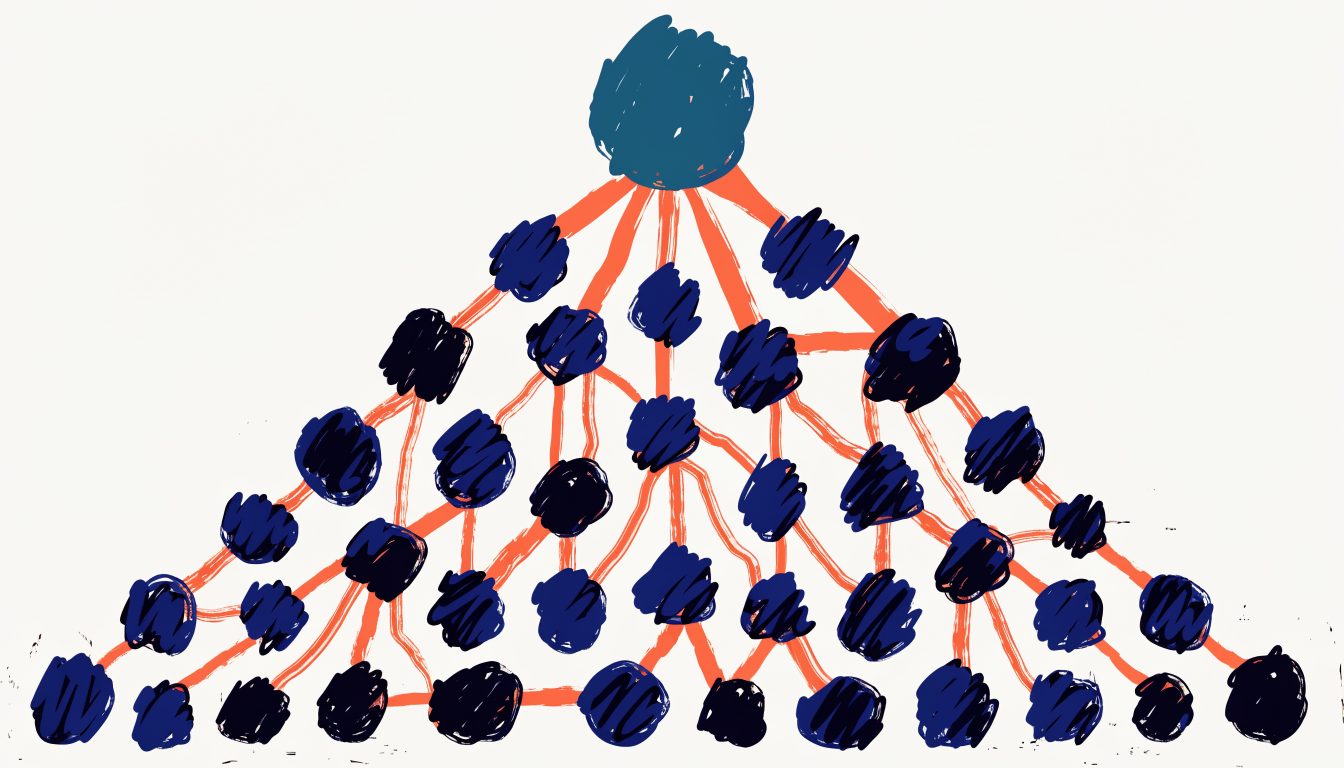
Think of your content strategy like a city's infrastructure rather than a collection of random buildings. At the center sits your hub: a comprehensive pillar page covering a broad topic. Radiating outward are your spokes: focused cluster pages that dive into specific subtopics, each linking back to the hub and to each other.
Here's why Google loves this structure. When you build interconnected content around a narrow niche, you're essentially proving expertise. Instead of scattered blog posts hoping to rank, you're creating a web of related content that signals depth and authority. The best way for businesses to rank highly is to concentrate SEO efforts around 3-4 broad hubs and the spokes that derive from them. Once each hub page has sufficient supporting content, search engines classify your site as a niche expert and reward you with higher rankings across all keywords in that cluster.

Let's make this concrete. Say your hub is "B2B SEO." Your spokes might include "B2B SEO Best Practices," "B2B SEO Strategy for Enterprise," "B2B SEO Agency Selection," and "Technical SEO for B2B Sites." Each spoke targets specific search intent while reinforcing your hub's authority. Users land on a spoke, then navigate to the hub for comprehensive guidance, then explore adjacent spokes. Google sees this interconnected content and recognizes you as the authority on B2B SEO.
The math is simple: 3-4 hubs with 10-30 spokes each creates a fortress of topical authority. You're not competing with everything; you're dominating something specific. That focus is what transforms random content into ranked authority.
The Six-Step Framework for Building Your Strategy
Stop treating content like a lottery ticket. Here's the framework that turns strategy into rankings.
Step 1: Define Your Audience Before you write anything, know exactly who you're writing for. Map out your ideal customer: their job title, pain points, budget constraints, and where they are in the buying process. A VP of operations searching "enterprise project management software" has completely different intent than a freelancer asking "free tools for managing tasks." Same industry, different strategy. This clarity prevents wasted effort on content nobody's looking for.
Step 2: Research Keywords and Build Topic Clusters Keyword research isn't about finding high-volume search terms anymore. It's about understanding intent patterns. Group related keywords into topic clusters that address the full customer journey: awareness, consideration, and decision stages. Tools like AI keyword clustering solutions can accelerate this process, but the principle is simple: one pillar topic supported by multiple cluster content pieces that all reinforce each other.
Step 3: Create Content That Answers Real Questions Quality beats quantity every single time. Every piece of content should solve an actual problem your audience is facing. Start with a formal SEO brief that defines your target keyword, user intent, content structure, and conversion objective. This keeps your team aligned and prevents rambling posts that rank for nothing.
Step 4: Optimize On-Page Elements Title tags, meta descriptions, header hierarchy, internal linking, and schema markup aren't optional extras. They're how search engines understand your content. Focus on clarity over keyword stuffing. Use descriptive headers, link to related content within your site, and implement structured data relevant to your industry.
Step 5: Promote Through Relevant Channels Publishing content doesn't make it rank. Distribution does. Share through email lists, social platforms where your audience actually spends time, industry partnerships, and media outreach. Each channel requires different messaging, but the core content stays consistent.
Step 6: Measure and Iterate Track organic traffic, keyword rankings, click-through rates, and conversions. But here's the key: don't just collect data. Use it to identify what's working, double down on those topics, and sunset underperformers. This cycle of measurement and iteration transforms random effort into compounding authority.
Measuring and Optimizing Your Strategy Over Time
You can't optimize what you don't measure. Too many teams publish content, cross their fingers, and check analytics once a quarter. That's not strategy; that's hoping.
Real measurement starts with the metrics that actually matter. Track organic sessions by page, keyword rankings for your target terms, click-through rate from search results, and conversion rate from organic traffic. These four data points tell you whether your content is being found, whether people are clicking it, and whether it's driving business value. Pages per session reveals whether visitors are exploring your topical clusters or bouncing after one page.

Here's what's changed in 2026: you also need to monitor AI Overviews and answer engine visibility. Your content might rank well in traditional search but get buried by AI summaries. Track your share of voice in these new channels alongside traditional rankings.
Segment your reporting by topic cluster, not just site-wide totals. One cluster might be thriving while another stagnates. Monthly reviews beat daily obsession; SEO trends emerge over weeks, not hours. Daily checking creates false urgency and poor decisions.
Most importantly, tie every metric back to revenue. A traffic spike means nothing if it doesn't convert. Compounding returns typically emerge at the 6-18 month mark as topical authority builds. Set realistic expectations with stakeholders now, and you'll celebrate real wins later.
SEO Content Strategy in 2026: What's Changed
The SEO landscape of 2026 looks fundamentally different from even two years ago. The biggest shift? AI is now your editor, not your writer. Leadfeeder's 2026 SEO trends show that teams using AI to refine strategy and polish content outperform those relying on AI for raw creation. The distinction matters: human insight drives the work; AI accelerates execution.
Search itself has transformed. Google's generative results demand a different optimization approach. Clear answers, scannable lists, and supporting visuals now directly influence whether your content appears in AI Overviews. This isn't optional; it's the new baseline for visibility.
Freshness has become a ranking factor you can't ignore. Google prioritizes regularly updated content, pushing creators to establish maintenance rhythms rather than publish-and-forget cycles. A three-year-old article, no matter how authoritative, loses ground to refreshed alternatives.
The tactical era is over. Advanced Web Ranking's analysis confirms that 2026 success requires systems thinking: understanding user journeys across channels, not optimizing isolated keywords. Strategy is now cross-functional, bringing together content, brand, product, and technical teams. E-E-A-T (Experience, Expertise, Authoritativeness, Trustworthiness) isn't just a guideline; it's the foundation of meaningful differentiation.
Your competitive advantage no longer comes from knowing SEO tactics better than competitors. It comes from executing a coherent strategy that demonstrates real authority and aligns with how people actually search today.
Frequently Asked Questions
How long before I see results?
Timeline depends on competition. Low-competition long-tail keywords can rank within 2-8 weeks, moderate terms within 2-5 months, competitive terms within 6-12 months. The key is starting now, not waiting for perfection. Your first piece of content is your foundation.
Content marketing versus SEO strategy: what's the difference?
Content marketing spans social media, brand storytelling, and audience engagement across channels, while SEO content strategy focuses on specific keywords and user intent. Think of SEO strategy as the precision tool within your broader content marketing toolkit. Both matter, but they serve different purposes.
How do I know my strategy is working?
Track these metrics: organic traffic growth, keyword rankings, click-through rates, and conversion rates tied to organic visitors. Set benchmarks at month three and month six. If you're not seeing movement, your keywords may be too competitive or your content needs optimization.
Should I hire an agency or do it in-house?
Both work. Agencies bring experience and speed but cost more. In-house teams build institutional knowledge and own the strategy long-term. If you're starting out and need quick wins, hybrid approaches work well: agency for strategy and training, your team for execution.
How often should my strategy evolve?
Strategy should change as you learn more about your audience and what content drives results. Review quarterly. Markets shift, competitors adapt, and your audience's needs evolve. Stagnant strategies produce stagnant results.
Can AI build my entire strategy?
No. AI excels at research, outlining, and optimization, but strategy requires human judgment about your business goals and competitive landscape. Use AI as an accelerator, not a replacement.
Key Takeaways: Your SEO and Content Strategy Roadmap
Here's what separates companies that rank from those that don't: strategy. Businesses with documented content strategies generate 3x more leads than those posting randomly. That's not luck; that's systems.
Before you write a single word, nail your keyword research and search intent. Understand what your audience actually needs, not what you think they want to read.
Build using Hub and Spoke architecture. Create pillar content around core topics, then connect supporting articles that reinforce topical authority. Google recognizes this structure and rewards it.
Follow this six-step framework religiously: define your audience, research keywords, create content, optimize on-page elements, promote strategically, and measure results. Repeat quarterly.
Stop measuring site-wide metrics. Track performance by topic cluster instead, then tie those clusters directly to revenue. A 50% traffic increase means nothing if it doesn't convert.
Patience matters. Most teams see compounding returns between months 6 and 18 as authority accumulates. Don't abandon ship at month three.
Stay current with 2026 realities: AI-optimized content, fresh updates, and systems thinking beat one-off tactics. Use tools like AI keyword clustering and content brief generators to scale your process.
Your next move: audit your current content. Does it follow this framework, or is it scattered? That answer determines your next quarter.
Transform Your Content Into a Revenue Engine With FirstSearch
You now understand the strategy: keyword research, content mapping, competitive analysis, performance tracking. The hard truth? Most teams nail the planning phase, then stumble during execution.
Manual keyword clustering takes days. Content optimization requires constant A/B testing. Backlink prospecting demands hours of outreach. Performance dashboards need weekly monitoring. These aren't exciting tasks, but they're what separates ranked authority from scattered effort.
This is where execution breaks down. You're juggling spreadsheets, multiple tools, and competing priorities while your competitors pull ahead.
The solution isn't working harder; it's automating the bottlenecks. AI-powered tools now handle content optimization, keyword clustering, and analytics at scale. Smart backlink networks accelerate your domain authority without manual prospecting. And here's what matters most: AI search converts 23x better than traditional methods, meaning your optimized content reaches buyers actively seeking solutions.
Your strategy is clear. Your content brief is solid. What you need is a platform that executes without friction.
Start building your winning content strategy today. The gap between planning and dominating search results is smaller than you think, and every week you wait is a week your competitors use to build their own authority.
FirstSearch
FirstSearch.AI Team