E-Commerce SEO Checklist: 10 Steps to Outrank Competitors in 2026
Last Updated: August 30, 2026
Quick Summary
- E-commerce SEO drives 51% of all online store traffic at virtually zero cost per click
- The 10-step checklist covers keyword research, technical optimization, mobile, and content strategy
- Page speed, mobile responsiveness, and schema markup are non-negotiable ranking factors
- AI-powered tools can automate product optimization and technical SEO audits at scale
What Is E-Commerce SEO and Why It Matters Now
E-commerce SEO is the practice of optimizing your online store to rank higher in search results for product-related keywords. Unlike regular content SEO, which targets informational queries, e-commerce SEO focuses on high-intent keywords from people ready to buy. This distinction matters enormously for your bottom line.
Here's why you should care right now: organic search drives nearly 51% of all e-commerce visits, making it your largest traffic source. Yet 90.63% of pages get zero organic traffic due to structural SEO issues. That's not a problem; it's an opportunity. While competitors ignore basic optimization, you can capture customers actively searching for what you sell.
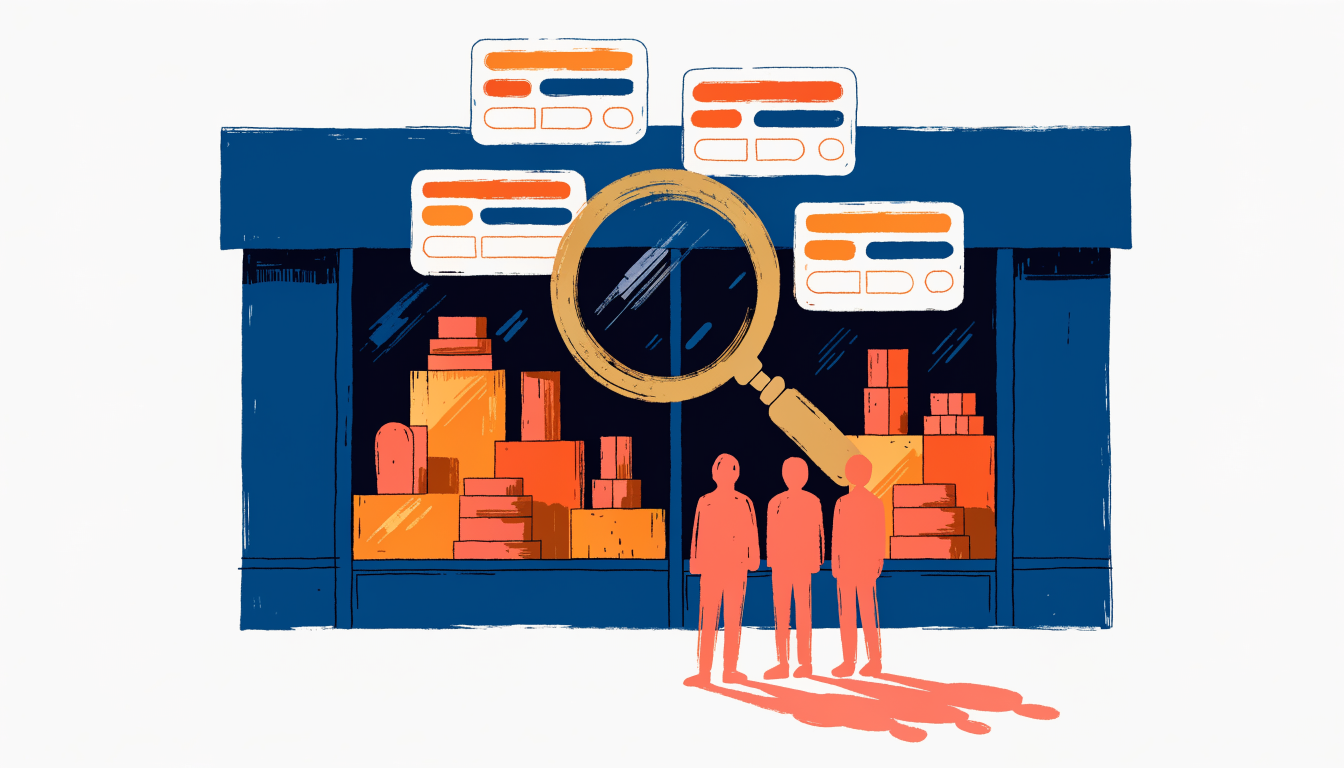
Paid ads deliver immediate traffic, but you pay every single click. SEO costs nothing per visitor once implemented. A customer who finds you through organic search has already qualified themselves; they're searching for exactly what you offer. Scale this across hundreds of product pages, and the compounding effect on revenue becomes undeniable. The stores dominating 2026 won't be the ones spending the most on ads. They'll be the ones who mastered the fundamentals of e-commerce SEO first.
Step 1-3: Master Keyword Research and Strategy
Here's where most e-commerce sites fail: they chase the same keywords everyone else does, then wonder why they can't rank. The difference between invisible and dominant starts with understanding that e-commerce keyword research operates by different rules than content marketing.
You're not hunting for traffic; you're hunting for buyers. That means focusing on transactional and commercial keywords that signal purchase intent. A transactional keyword like "buy gaming laptop online" targets someone with wallet ready. A commercial keyword like "best gaming laptops 2026" targets someone comparing options before they buy. 44% of online shoppers start their product search on Google, so these distinctions matter enormously.
Long-tail keywords are your secret weapon here. "Gaming laptop under $1000 with RTX 4060" has lower competition than "gaming laptop," but the person searching it knows exactly what they want. These keywords convert because they capture obvious purchase intent, not casual browsing.
Here's your action plan. First, map primary keywords to product pages. If you sell running shoes, "women's trail running shoes" goes on a specific product category page. Secondary keywords like "durable women's trail shoes" support that same page. This hierarchy prevents keyword cannibalization and tells Google exactly what each page is about.
Second, research competitor keywords. See what your top three ranking competitors target, then identify gaps they're missing. Third, use keyword clustering tools to group related terms together, so you're not creating redundant pages fighting each other for rankings.
Don't overthink this phase. Get your keyword foundation solid now, and the rest of your SEO strategy becomes exponentially easier.
Step 4-5: Optimize Product Pages and Category Structure
Your product pages are where SEO meets conversion. Get this wrong, and you're invisible to both Google and customers. Get it right, and you've built the foundation for sustainable organic traffic.
Start with your title tags. These are critical real estate, so use them wisely. Your primary keyword should appear naturally, paired with a compelling benefit statement. Aim for 50-60 characters to avoid truncation in search results. Instead of "Blue Running Shoes," try "Blue Running Shoes for Marathon Training | Lightweight & Durable" (58 characters). The keyword is there, but the benefit hooks searchers.
Meta descriptions follow the same logic: 150-160 characters, keyword included, value proposition crystal clear. Example: "Shop premium blue running shoes designed for marathoners. Lightweight design, superior cushioning, and proven durability. Free shipping on orders over $50." This tells Google what your page is about while giving users a reason to click.
Now the big one: product descriptions. E-commerce websites are particularly susceptible to duplicate content because they often have multiple categories and product pages with shared attributes. Copying manufacturer descriptions is a red flag to Google. Write unique copy for each product, addressing customer pain points and use cases. Aim for 150-300 words minimum, weaving in related keywords naturally.
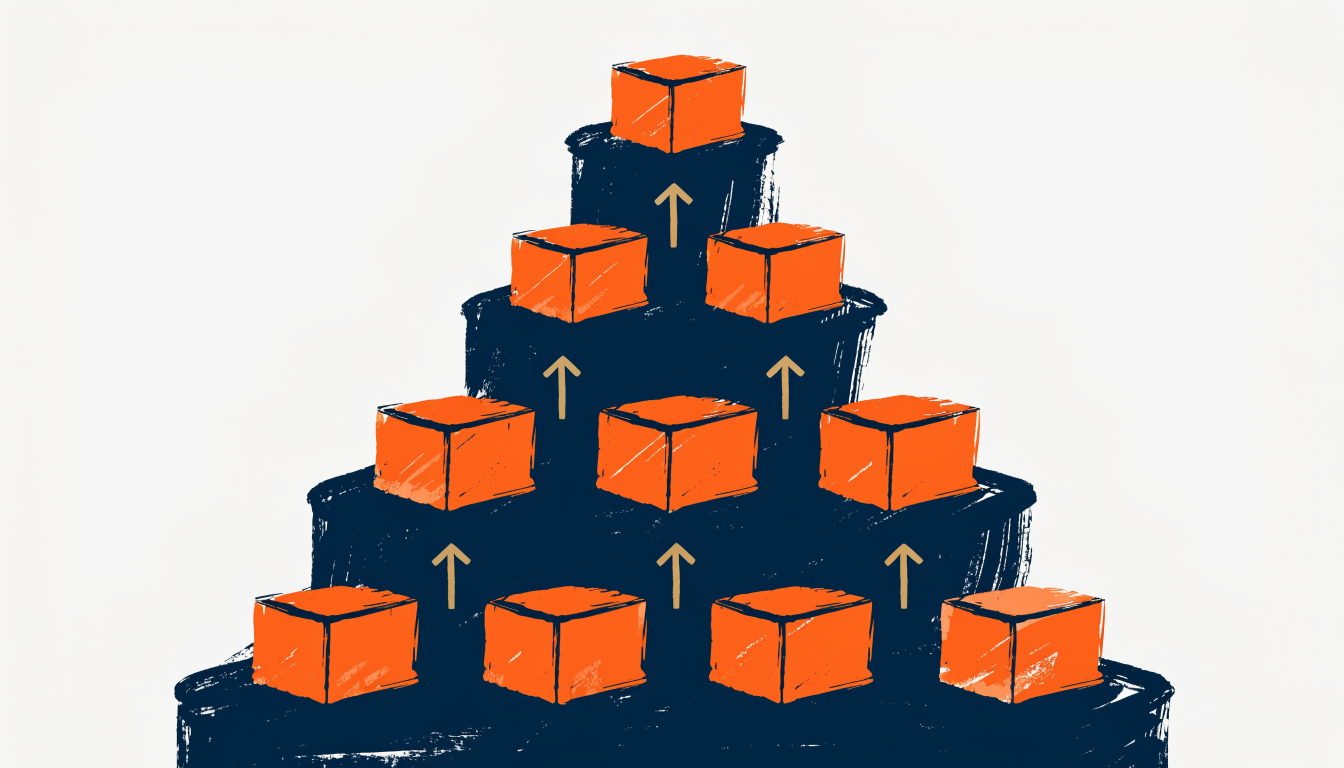
Your site structure matters as much as individual pages. Follow a logical hierarchy: category > subcategory > product. Keep everything accessible within three clicks from your homepage. Use breadcrumbs to help users and search engines navigate your site more easily, and group related products into logical categories. Breadcrumbs serve dual purpose: they improve user experience and signal content relationships to search engines.
Organize categories by customer intent, not just product type. Instead of forcing everything under "Shoes," consider "Running Shoes," "Casual Sneakers," and "Formal Footwear." This mirrors how people actually search and makes your site architecture Google-friendly.
Step 6-7: Fix Technical SEO and Page Speed Issues
Technical SEO is where most e-commerce sites fail quietly. You can have killer product content and solid backlinks, but if your site is slow, broken, or invisible to Google's crawlers, none of it matters. This is foundational work that directly impacts your ability to rank.
Start with page speed. 40% of users leave a website if it takes more than 3 seconds to load, and Google uses speed as a ranking signal. Your job is to measure and fix it. Pull your site into PageSpeed Insights or GTmetrics and run a full audit. You'll get specific recommendations: compress images, minify CSS and JavaScript, enable browser caching, or upgrade your hosting. Pick the three biggest wins first.
Next, focus on Core Web Vitals. These three metrics measure what users actually experience: LCP (how fast your page loads), CLS (whether elements shift around while loading), and INP (how responsive your site feels to clicks). These aren't optional; Google has made them ranking factors. If your Vitals are poor, you're competing with one hand tied behind your back.
Mobile-first indexing means Google crawls and ranks the mobile version of your site first. If your mobile experience is an afterthought, your rankings will suffer. Test your site on actual phones, not just browser emulators. Check font sizes, button spacing, and load times on slower connections.
Finally, audit crawlability and indexation. Use Google Search Console to identify crawl errors, blocked resources, and indexation issues. Check for duplicate content, broken pagination, and URL parameter problems. These technical issues silently kill rankings.
Don't skip this step thinking you'll return to it later. Technical problems compound; fixing them now removes friction from every other SEO effort you make.
Step 8-9: Implement Schema Markup and Rich Content
Schema markup is the difference between being invisible in search results and standing out. It tells search engines exactly what your products are, including price, availability, and ratings. The payoff is immediate: pages with schema markup see 30% higher click-through rates in search results.
Start with Product schema. This markup displays your product name, price, availability status, and ratings directly in search results. Review schema is equally critical, because star ratings in the snippet dramatically increase CTR. A product showing five stars gets clicked far more often than one with no visual proof of quality.
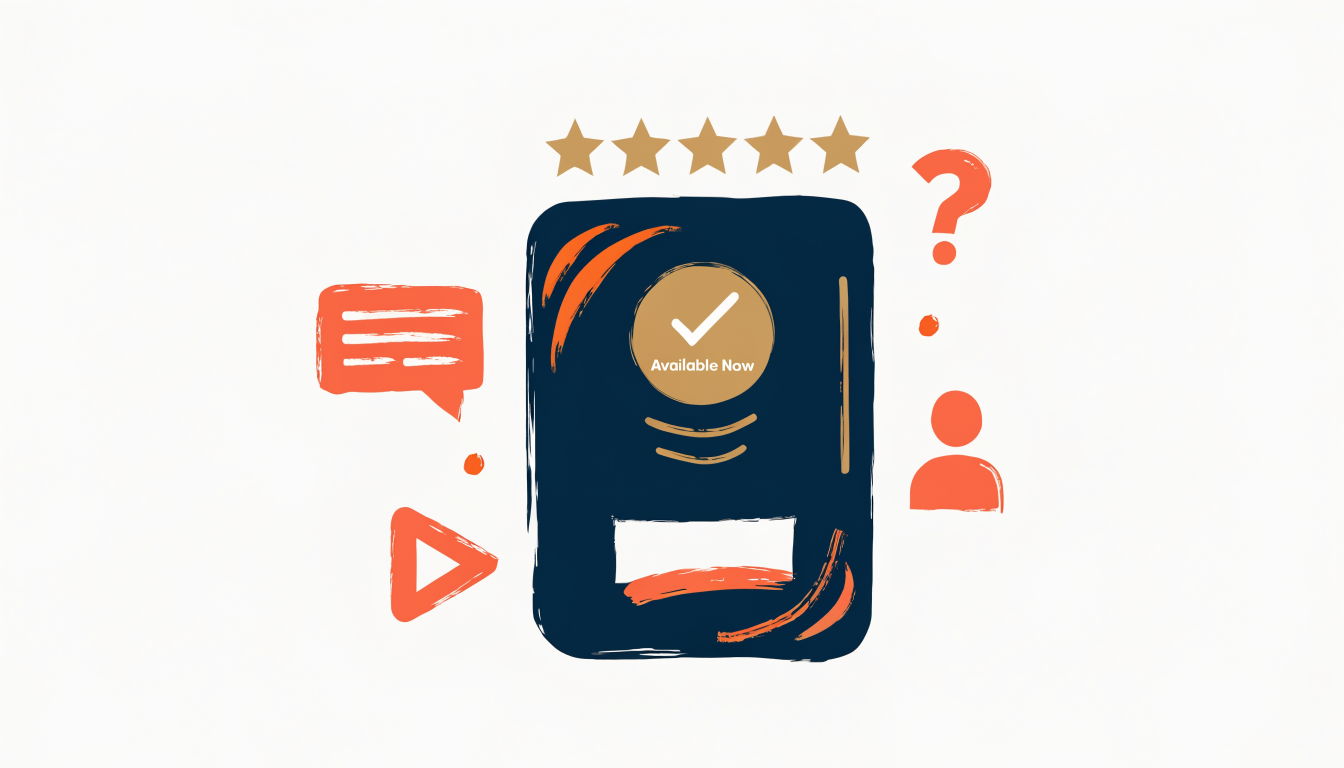
But schema alone isn't enough. Rich content amplifies your rankings. Customer reviews provide fresh, keyword-rich content that signals trust and relevance. Q&A sections answer specific search queries your competitors might miss. Video content, especially product demonstrations, increases engagement and improves rankings significantly. User-generated content like customer photos and testimonials creates authenticity that algorithms reward.
The sequence matters: implement schema first, then layer in reviews, FAQs, and video. This combination doesn't just improve rankings, it converts. Visitors see ratings before clicking, watch videos to understand products, and read real reviews from people like them. You're not just optimizing for search engines anymore, you're building confidence at every touchpoint.
Step 10: Build Authority Through Strategic Link Building
Backlinks remain one of Google's top ranking factors, but here's the reality: getting high-quality links to product pages is genuinely difficult. Unlike content-focused sites, e-commerce stores don't naturally attract links. You need a deliberate strategy.
Start internally. Internal linking distributes authority and improves crawlability across your catalog. Link from category pages to bestsellers, from blog posts to relevant products, and from high-authority pages to pages that need a ranking boost. This costs nothing and works immediately.
For external links, focus on three proven channels: partnerships, guest posts, and PR outreach. Partner with complementary brands (not direct competitors) for co-marketing opportunities that naturally generate backlinks. Write guest posts for industry publications and link back to relevant product guides or comparisons. This isn't about self-promotion; it's about providing value to their audience.
PR outreach is your secret weapon. Get your products reviewed by authority sites, journalists, and influencers in your niche. A single mention from a trusted publication signals credibility to Google and drives qualified traffic simultaneously. Focus on relevance over quantity; one link from an industry authority beats ten links from random directories.
Avoid link schemes, PBNs, and low-quality link farms. Google penalizes these aggressively, and the short-term ranking bump isn't worth the risk. Build links like you're building a reputation: slowly, strategically, and authentically. This final step ties everything together, converting your optimized site into a recognized authority that Google rewards with rankings and visibility.
How AI Tools Automate E-Commerce SEO at Scale
Let's be honest: the 10-step checklist we've outlined is comprehensive, but it's also demanding. Keyword research, product page optimization, technical audits, competitor tracking, performance monitoring. That's not a weekend project. For most e-commerce teams, especially startups and SMBs, this workload is exactly why SEO gets deprioritized.
Here's the shift happening in 2026: the competitive advantage isn't manual SEO anymore. It's intelligent automation.
AI-powered SEO tools now handle what used to require dedicated specialists. Keyword research that took days happens in minutes. Product descriptions get optimized at scale across hundreds of SKUs. Technical audits identify crawl errors, broken redirects, and indexation issues automatically. Performance tracking runs 24/7 without human intervention.
The real win: automation levels the playing field. A small team with the right tools can now compete with enterprise competitors who have 10-person SEO departments. You're not cutting corners; you're working smarter. The platforms handling routine optimization free your team to focus on strategy, content quality, and conversion optimization where human judgment actually matters.
This isn't optional in 2026. It's how you survive.
Common E-Commerce SEO Questions Answered
How long does e-commerce SEO actually take? Most stores see initial improvements within 3 to 6 months, but meaningful ranking gains typically arrive between 6 and 12 months. The timeline depends on competition level, your starting point, and how aggressively you execute. Highly competitive niches take longer; niche products move faster. Patience here matters more than perfection.
Should you hire an agency or handle SEO in-house? That's a budget and bandwidth question. Agencies cost $1,500 to $5,000+ monthly but bring expertise and scale. In-house teams require someone dedicated (or part-time), but modern AI tools make this increasingly feasible. Many successful stores use a hybrid approach: agency support for strategy, in-house execution for daily optimization. Consider your team's capacity first.
How do you measure what actually works? Track four metrics: organic traffic (volume), keyword rankings (visibility), conversion rate (quality), and revenue attribution (impact). Tools like Google Analytics 4 and Search Console give you the data; the real skill is connecting those dots to actual sales. If organic traffic climbs but conversions stay flat, your SEO isn't solving the right problem.
Can you rank without building backlinks? Technically yes, but it's harder. Strong technical SEO, unique product content, and site authority can carry you part of the way. However, backlinks remain a ranking factor. Start with technical excellence and differentiated content; backlinks become the accelerator once fundamentals are solid.
What's the real difference between SEO and paid ads? Unlike paid ads, which drive traffic by making you pay per click, SEO allows you to capture highly relevant traffic at virtually no cost. Sana Commerce comparison Paid ads work immediately; SEO builds sustainable long-term advantage. Most winning stores use both, but SEO should be your foundation. Relying only on ads means your competitors own your traffic once you stop paying.
Start Your E-Commerce SEO Journey Today
You've got the roadmap. Now comes the execution.
These 10 steps form a comprehensive system that drives real results for e-commerce sites. According to Panem Agency, mastering e-commerce SEO means setting up an automated sales system that operates 24 hours a day, 7 days a week, continually driving demand and qualified traffic. That's the prize waiting for you.
But here's the reality: implementing all 10 steps manually takes serious time. Keyword research, technical audits, product optimization, content creation, performance tracking. Each step requires expertise and attention to detail. For solo operators and small teams, this becomes a bottleneck fast.
That's where automation changes the game. AI-powered tools level the playing field, letting smaller retailers compete against giants without hiring an entire SEO department. You get speed, consistency, and the data you need to make confident decisions.
The next step is simple: pick one item from this checklist and start today. You don't need to do everything at once. Pick what matters most to your bottom line, implement it, measure the results, then move forward. That's how you go from invisible to dominant.
Author
FirstSearch.AI Team