Best Meta Description Generators 2026: Top AI Tools
What is a Meta Description Generator and Why It Matters in 2026
A meta description generator is an AI-powered tool that automatically creates optimized snippet text for your web pages. These tools analyze your page content and target keywords, then generate compelling descriptions typically between 150-160 characters that appear below your page title in search results.
Here's what makes them essential in 2026: while meta descriptions aren't a direct ranking factor, they're a conversion lever most businesses ignore. Pages with well-optimized meta descriptions can see a 5.8% increase in CTR, which translates directly to more organic traffic without earning a single new backlink.
The math is simple. A 5.8% CTR improvement on 10,000 monthly searches means roughly 580 additional clicks to your site. For mid-market companies, that's often 50-100 qualified leads monthly from pure optimization.
The urgency is real. Manual description writing doesn't scale. If you manage 500+ pages, automation isn't optional; it's survival. AI generators handle the volume while maintaining quality, letting your team focus on strategy rather than character counts.
Word count: 288
Top 7 Meta Description Generator Tools for 2026
The meta description generator landscape in 2026 offers something for nearly every workflow. Your choice depends less on which tool is "best" and more on what fits your existing processes.
Juma stands out for teams that want flexibility without constraints. Juma lets you build custom prompts, run them with any AI model, and collaborate with your team. This matters if your brand voice requires specific instructions or your team needs to review descriptions before publishing. It's not the fastest option, but the control justifies the extra steps.
Grammarly appeals to writers who prioritize simplicity. The integration with your browser means descriptions get generated right where you're already working. If maintaining consistent brand voice across your entire content library is your challenge, Grammarly's tone detection actually delivers practical value.
For SEO professionals already embedded in Ahrefs, the meta description generator functions as a natural extension of your keyword research. You're not switching between tools; you're working within a platform you already trust. That workflow efficiency compounds over time.
RightBlogger solves a specific problem exceptionally well: speed. RightBlogger gives you five meta description options in seconds using just your post title, keyword, or URL. Bloggers publishing multiple times weekly find this approach saves hours monthly without sacrificing quality.
Dashword takes a different approach by optimizing for content type. Dashword has been trained specifically for pages with long content and is best suited for guides, how-to articles, and listicles. If your site heavily features in-depth content, this specialization produces noticeably better results than generalist tools.
Copy.ai addresses the scaling challenge marketing teams face. When you're managing descriptions across dozens of campaigns simultaneously, the batch processing and template system prevent descriptions from feeling repetitive or generic.
Surfer SEO integrates meta description generation into its broader content optimization workflow. You're analyzing search intent, optimizing content structure, and writing descriptions within one interface. It's valuable if you're already using Surfer for your content strategy.
None of these tools eliminates the need for human judgment. They accelerate the process and catch oversights, but your best descriptions come from understanding your audience and search intent. Pick the tool that removes friction from your specific workflow, then spend the time you save refining what matters most: making users want to click.
Why Meta Descriptions Matter: The CTR Connection
Here's the reality: meta descriptions don't directly impact your Google rankings. But they absolutely impact what comes next, and that's where the real SEO power lives.
When someone searches for your target keyword, they see your title and meta description in about 0.6 seconds. That's your entire window to convince them your result deserves a click over the ten others on the page. A well-written meta description makes your result more appealing, leading to more clicks and higher CTR, and this matters because Google is watching.
Here's how the algorithm interprets your clicks: when more people click your result compared to competing pages, Google notices. Google uses click-through rate (CTR) to determine whether you're a good result, and if more people click on your result, Google may move you up in rankings. It's indirect, but it's measurable. A 20 percent CTR improvement can translate into noticeable ranking gains over weeks, especially in competitive niches where every signal counts.
But there's another layer. Accurate, compelling meta descriptions reduce bounce rates. When your description accurately represents your content, visitors stay longer and engage more. Google interprets this extended session time as a positive quality signal, reinforcing that your page deserves higher visibility.
Think of your meta description as a miniature sales pitch. You're not just describing content; you're answering the searcher's implicit question: "Is this worth my click?" Include your value proposition. If relevant, add a subtle call-to-action. Keep it between 150 and 160 characters so it displays fully on desktop and mobile.
The misconception that meta descriptions "don't matter" comes from confusing direct ranking factors with indirect ones. They don't directly influence rankings, but they're the most important feature for improving click-through rate from search results pages. In 2026, that CTR-to-ranking connection is more important than ever as Google refines how it measures user satisfaction.
How to Choose the Right Meta Description Generator for Your Needs
Choosing the right meta description generator comes down to matching tool capabilities with your specific constraints. Start by honestly assessing three factors: team size, budget, and how much customization matters to your SEO strategy.
For solo operators or small teams, prioritize ease of use. You need a tool that generates descriptions quickly without requiring technical knowledge. Free or low-cost options often suffice here, letting you test whether AI-generated descriptions actually improve your click-through rates before investing significantly.
Larger teams should prioritize collaboration features. Can multiple people review, edit, and approve descriptions in one place? Can you assign tasks and track changes? These workflows prevent bottlenecks and ensure brand consistency across your site.
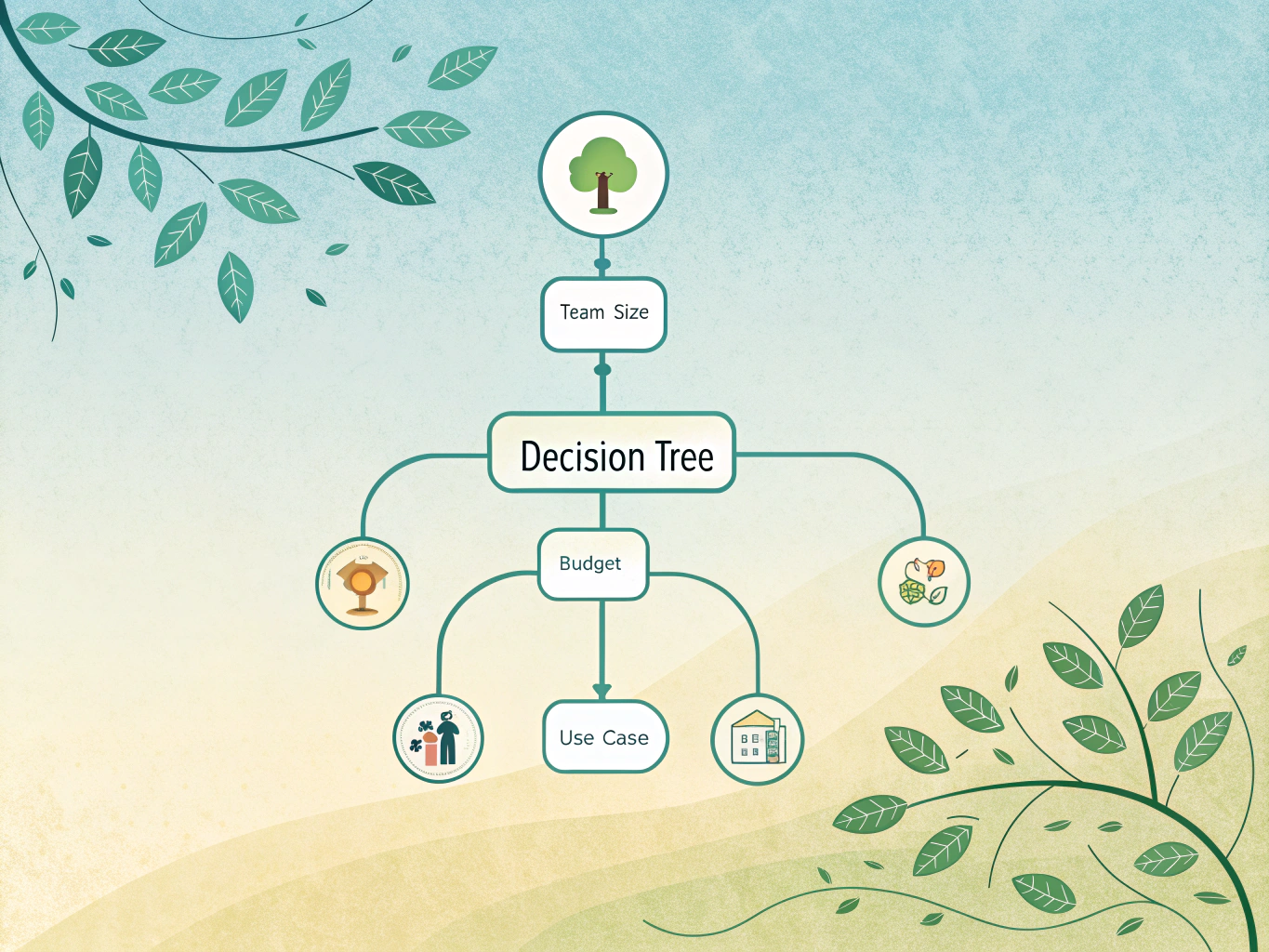
Customization options matter more than you might think. A good generator lets you pick from different tones like professional, friendly, or direct, and helps keep descriptions within the ideal length range of 150-160 characters. If you're scaling across hundreds of pages, bulk generation capabilities become non-negotiable.
Integration is often overlooked. Does the tool connect with your CMS, WordPress, or existing SEO platform? You should be able to quickly review, tweak, and finalize output without needing to copy-paste into another editor.
Finally, always test the free version first. Spend a week generating descriptions for your top 50 pages. Does the output actually match your brand voice? Are edits minimal? The best tool is the one your team will actually use consistently.
Best Practices for Meta Description Optimization
Writing effective meta descriptions requires balancing technical precision with persuasive copy. Here's what actually works:
Character Length and Visibility
Keep your descriptions between 150-160 characters to prevent truncation across devices. Google uses click-through rate as a signal and may move you up in rankings if more people click on your result, so every character counts. Front-load your most compelling information since users see the beginning first, even if Google truncates the end.
Keyword and Copy Strategy
Include your primary keyword naturally within the first 80 characters, but never force it. "Best hiking boots for women" works; "hiking boots women hiking boots best hiking boots" doesn't. Use active voice and specific language that speaks directly to user intent. Instead of "Learn about our products," try "Discover lightweight hiking boots rated for alpine terrain."
The Call-to-Action Element
Add a clear action verb that matches user expectations: "Shop Now," "Read the Guide," "Get Started," or "See Pricing." This small addition can meaningfully improve click-through rates because it clarifies what happens next.
Uniqueness and Accuracy
Each page should have a unique meta description that reflects its specific content to provide the best user experience and SEO performance. Duplicate descriptions dilute your SEO impact and confuse users who see multiple similar results. More critically, accuracy matters: if your description promises something your page doesn't deliver, users bounce immediately, signaling to Google that your result doesn't match search intent.
Common Mistakes to Skip
Avoid generic descriptions, keyword stuffing, and vague promises. Don't write descriptions for search engines; write them for people deciding whether to click.
Measuring Success: Tracking Meta Description Performance
You can't optimize what you don't measure. The real power of meta descriptions emerges when you treat them as data-driven assets rather than one-time SEO tasks.
Start in Google Search Console. Track your click-through rate (CTR) for each page, watching how description changes directly impact user behavior. Pages with well-optimized meta descriptions can see a 5.8% increase in CTR, and higher CTRs signal to search engines that your content is valuable and relevant. Pair this with impression share metrics to understand whether you're losing visibility or simply not resonating with searchers.
Monitor bounce rate alongside these metrics. If traffic increases but bounce rate spikes, your description is attracting the wrong audience. It's promising something your page doesn't deliver. Adjust the messaging to set clearer expectations.
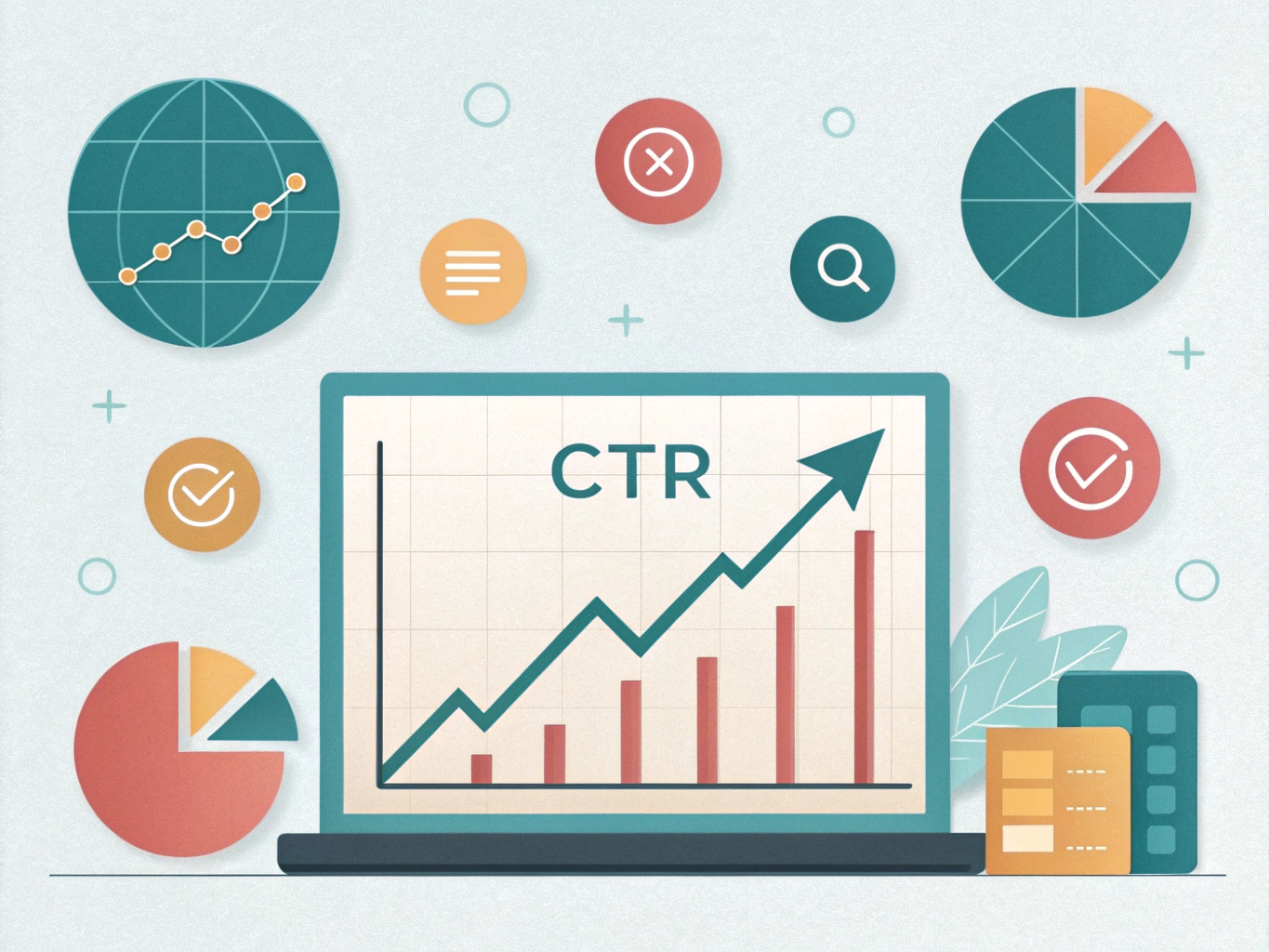
A/B testing different description variations reveals what actually resonates with your audience. Test variations like action-oriented copy versus benefit-focused language, or different length approaches. Modern AI tools learn and adapt based on user engagement data, analyzing click-through rates and other metrics to refine their output and create more effective meta descriptions over time.
Connect Google Analytics to your Search Console data to correlate description changes with downstream conversions. The best description drives qualified traffic that converts. Review performance quarterly and treat optimization as an ongoing cycle, not a one-time project.
Key Takeaways and Action Plan
Meta description generators aren't magic bullets, but they're practical tools that solve a real problem: scaling quality snippets across dozens, hundreds, or thousands of pages. The time savings alone justify the investment, but the real payoff comes from consistency and strategic optimization.
Here's what matters most. Your meta descriptions won't directly boost your rankings, but they will drive more clicks from search results. By taking control of your meta descriptions, you ensure every result in the SERPs is a persuasive and accurate advertisement for your content, maximizing your potential click-through rate. That translates to more organic traffic without spending more on ads.
The action plan is straightforward. Start with your highest-traffic pages and pages ranking in positions 4-10, where CTR improvements have the biggest impact. Choose a generator that fits your team size and workflow, not the most expensive option. Set standards for length (155-160 characters), keyword placement, and unique CTAs, then let the tool handle the repetitive work.
Don't set it and forget it. Pull CTR data monthly, compare your descriptions to competitors, and refine your approach. Good meta descriptions compound over time.
Pick a tool this week. Audit your top 50 pages. Implement changes and measure results in 30 days. You'll see the difference in your traffic metrics and, more importantly, in your bottom line.
FirstSearch
FirstSearch.AI Team