Ultimate Guide to Conversion Optimization in 2026: Strategies That Work
What is Conversion Optimization and Why It Matters in 2026
Conversion optimization is the practice of increasing the percentage of visitors who take meaningful action by removing friction and strengthening motivation. That action might be a purchase, a signup, a demo request, or a download. Whatever moves your business forward counts.
Here's what's changed: five years ago, conversion optimization was a nice-to-have. Today, it's survival.
Companies are hemorrhaging money on customer acquisition. You're spending $92 on paid ads, email campaigns, and content to bring someone to your site, then watching them leave without converting. Meanwhile, you're investing just $1 on conversion optimization. Companies spend just $1 on conversion rate optimization for every $92 spent on customer acquisition. That math doesn't work anymore.
The market has shifted beneath our feet. Ad costs have skyrocketed as platforms mature and competition intensifies. Buyer skepticism is at an all-time high; consumers are exhausted by aggressive marketing and empty promises. Your competitors aren't just fighting for attention anymore; they're fighting to convert the attention they've already paid for.
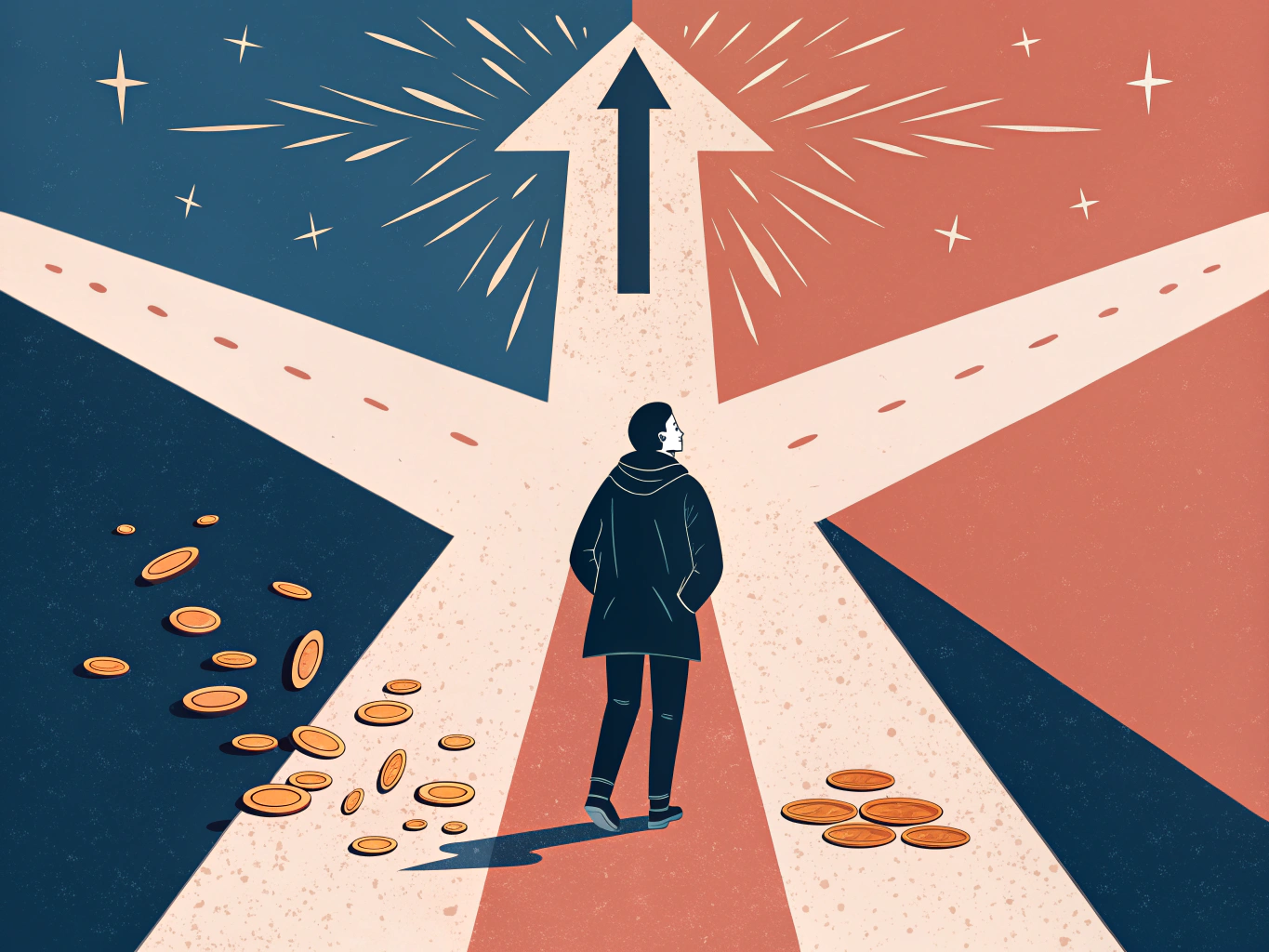
This is where CRO becomes your competitive edge. Improving your conversion rate by even 10 percent doesn't require new traffic; it requires smarter optimization of traffic you already have. That's profitability without proportional spending increases.
CRO has evolved from a tactical marketing function into a core growth discipline as paid media becomes more expensive and buyers become more skeptical. It's no longer optional. Your competitors are already building CRO into their DNA.
The 2026 Conversion Landscape: Key Statistics You Need to Know
Here's the reality: most websites are leaving money on the table, and the data proves it.
The average conversion rate across industries sits at 3.1%, which means 97 out of 100 visitors leave without converting. That's your baseline. But here's where it gets interesting: the gap between device types is massive and growing.
Mobile traffic dominates at 72% of total website visits, yet mobile conversion rates lag significantly behind desktop. Desktop achieves 5.06% conversion rates while mobile trails at 2.49%, despite commanding 65% of your traffic. This gap isn't random. It's the speed problem.
Speed kills conversions. Pages loading slower than 3 seconds lose 32% of conversions, and every additional second of delay costs you roughly 7% in conversion rate. Most mobile experiences fail this test.
The opportunity is clear: top performers in your industry are hitting 7-10% conversion rates by fixing these fundamentals. They're optimizing for mobile-first experiences, obsessing over load times, and testing relentlessly. Your competitors aren't waiting for perfect conditions. They're converting those mobile visitors right now.
If you're still operating at industry average, you're losing to companies that took action. The 2026 landscape rewards speed, mobile optimization, and data-driven decisions. Everything else is guesswork.
The CRO Shift in 2026: From Guesswork to AI-Powered Personalization
If you're still running conversion optimization the way you did in 2023, you're already losing ground.
The shift happening right now is seismic. What worked before, the playbooks built on A/B testing best practices and broad audience segments, has given way to something far more sophisticated. In 2026, the focus is shifting toward holistic experience optimization, human-centered trust signals, and AI-primed higher-intent traffic. Your competitors aren't just testing anymore; they're predicting.
Here's what's changed: artificial intelligence now handles the heavy lifting of personalization at scale. Rather than manually creating variations and hoping one resonates, winning brands use AI to scale relevance because relevance reduces hesitation in the buyer journey. Salesforce reports that predictive personalization can increase conversion rates by 30%, and companies seeing those gains aren't accident cases; they're the ones who invested early.
But here's the catch. None of this works without a foundation you might overlook: data hygiene. Data hygiene has become the foundation of every CRO strategy, with companies using Customer Data Platforms to unify data across channels. A CDP gives you that unified customer view that AI actually needs to make smart decisions. Without clean, connected data, your personalization engine is just guessing with more computing power.

Multi-touch attribution is replacing last-click models too. You finally get credit for every touchpoint that actually matters in the conversion path, not just the final click. That transparency changes everything about where you invest and what you optimize for next.
The window to move is now. Your competitors are already building these systems.
Core CRO Strategies That Drive Real Results
Here's the reality: most companies still treat conversion optimization like guesswork. But the winners in 2026 aren't relying on hunches anymore. They're running systematic tests and iterating ruthlessly.
Start with A/B Testing
A/B testing is your foundation. It's not optional. One travel company saw a 104% month-over-month conversion increase by testing just two CTA variations. That's the power of structured experimentation. Only 39.6% of firms have a documented CRO strategy, which means your competitors probably aren't doing this yet. That's your advantage.
Mobile Comes First
Your mobile experience isn't secondary anymore; it's everything. Half your traffic is mobile, and if your site isn't optimized for smaller screens, you're losing conversions before visitors even scroll. Responsive design isn't a nice-to-have; it's baseline.
Speed Kills Conversions (Bad Speed, That Is)
Every second matters. Aim for page load times under 3 seconds. Beyond that, you're watching visitors leave. This isn't about vanity metrics; slow sites convert poorly, period. Run your pages through Google PageSpeed Insights and prioritize the quick wins: image compression, lazy loading, and removing bloated scripts.
Simplify Your Forms
Here's what works: fewer fields mean higher submission rates. Cut unnecessary questions. If you're asking for a phone number when you don't need it, you're costing yourself conversions. The same logic applies to checkout flows. Remove friction at every step, and make the next action obvious.
Optimize Your CTAs
Your call-to-action button deserves deliberate testing. Test color, copy, placement, and size. "Submit" converts differently than "Get Started" or "Claim Offer." Button placement matters too; sometimes above the fold wins, sometimes mid-content performs better. Test both.
The pattern here is consistent: test systematically, prioritize mobile and speed, remove friction, and optimize every element. These aren't theoretical best practices. They're proven tactics delivering real results right now. Your move is to implement them before your competition does.
Personalization and Trust: The Psychology Behind Higher Conversions
Your buyers are more skeptical than ever, but they're also more predictable. The difference between a conversion and a cart abandonment often comes down to one thing: whether you've anticipated their concerns before they even think them.
Personalization isn't about knowing someone's name. It's about adjusting your messaging, offer, and reassurance based on how they arrived at your site, what device they're using, and what they've already seen. Personalization dynamically adjusts messaging, merchandising, and reassurance based on entry channel, device, behavior, and intent. Someone clicking from a Facebook ad about price needs different language than someone arriving from a Google search about features. Miss this match, and you've already lost them.
Trust, meanwhile, operates on a sequence. Trust sequencing shows reassurance before price resistance emerges, and checkout confidence eliminates hidden cost fear. Show trust signals at the right moment. Verified reviews build credibility early. SSL badges and security guarantees matter at checkout. Trust signals like verified reviews and SSL badges encourage conversion, and well-designed UI can increase conversion rates by up to 200%.
But here's what most teams miss: your landing page must mirror your ad's promise exactly. Message match means the landing page must mirror the ad's promise through emotion, proof, offer, and action. If your ad promises speed and your landing page emphasizes affordability, you've just created cognitive friction. Your visitor feels misled, even subconsciously.
In 2026, psychology beats guesswork. Understand your buyer's hesitation, address it before they ask, and watch your conversion rate climb.
Building Your CRO Roadmap: A Step-by-Step Framework
CRO isn't something you do once and forget about. It's a structured, ongoing process that separates companies seeing real growth from those spinning their wheels.
Start with research. Understand who your customers actually are, not who you think they are. Use heatmaps, session replays, and user feedback to identify where people abandon your funnel. A holistic approach puts people front and center by understanding what drives, stops, and persuades them to convert. Document your baseline metrics: current conversion rate, average order value, time on page, bounce rate. These numbers become your scorecard.
Next, develop hypotheses grounded in what you've observed. Don't guess. If 40% of users drop off at checkout, your hypothesis might be: "Reducing form fields from 12 to 6 will increase completion rates by 15%." Be specific and testable.
Then test systematically. Run A/B tests with proper statistical significance (aim for 95% confidence). This means patience; a test might need 2-4 weeks of traffic to produce reliable results. Rushing invalidates your data and wastes resources.
Analyze ruthlessly. Not every test wins. That's fine. What matters is learning why. Did the winning variation succeed because of color, copy, urgency, or something else? Document these insights.
Finally, iterate. Conversion rates improve incrementally the more you iterate, so keep monitoring and deciding which areas of your funnel need addressing. Winners from one test become your baseline for the next. Over six months, small improvements compound into substantial revenue gains.
This cycle repeats indefinitely. Your competitors aren't taking a break; neither should you.
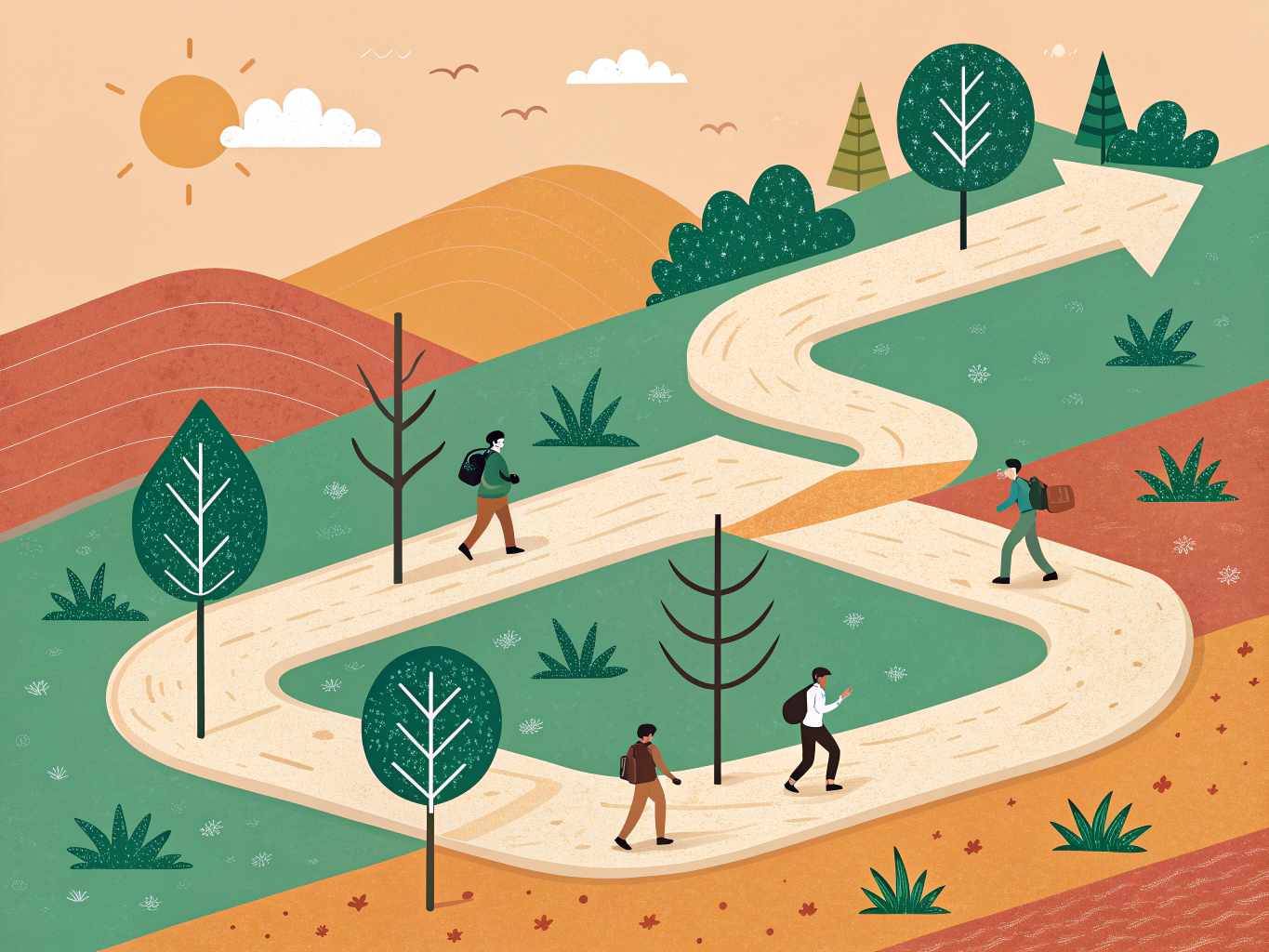
Advanced CRO Techniques: Going Beyond the Basics
If you're still running basic A/B tests on headlines, your competitors are already three steps ahead. Advanced CRO in 2026 means treating personalization like a science, not a guessing game.
Winning brands at $5M+ revenue use AI to scale relevance through personalization, treating each audience segment as a micro-market with bespoke experiences. Rather than showing the same offer to everyone, advanced personalization strategies enable you to serve dynamic content based on real-time behavior, intent signals, and predicted lifetime value.
For B2B teams, account-level optimization changes everything. Instead of optimizing for individual clicks, you're optimizing for enterprise deals. B2B CRO trends show that AI-powered A/B testing accelerates learning cycles while account-level conversion tracking with high-intent targeting delivers better ROI than traditional visitor-level metrics.
Behavioral segmentation takes this further. Map user actions across your site, then trigger contextual offers in real time. A prospect viewing pricing pages gets different messaging than someone browsing case studies. This isn't complicated; it's just intentional.
Conversational marketing removes friction from longer sales cycles. Conversational marketing tools and AI assistants significantly reduce buyer friction, answering questions instantly rather than forcing prospects into contact forms. Deploy AI chatbots strategically on high-intent pages to qualify leads and guide them toward conversion.
The pattern is clear: sophistication wins. Your competitors aren't just testing button colors anymore. They're building intelligent, multi-channel experiences that anticipate customer needs before prospects realize them. That's where growth lives in 2026.
Mobile-First CRO: Optimizing for 72% of Your Traffic
Here's the reality: mobile devices account for 72% of total website traffic, yet mobile conversion rates lag significantly behind desktop. If you're not optimizing for mobile, you're essentially ignoring three-quarters of your potential customers.
The cost of inaction is steep. Mobile pages loading slower than 3 seconds lose 32% of conversions, turning visitors into abandoned sessions. Your competitors aren't making this mistake.
Start with responsive design, but go further. Adopt a mobile-first philosophy from the ground up, not as an afterthought. Every element should work on a 5-inch screen first, then scale up. Navigation must be thumb-friendly; place your most important CTAs where thumbs naturally land. Avoid dropdown menus and tiny buttons that frustrate users into bouncing.
Mobile checkout is where most conversions die. Simplify forms ruthlessly. Ask for only what you absolutely need. One-field-per-screen works better than overwhelming users with a wall of text. Offer guest checkout and multiple payment options; friction during payment is conversion suicide.
Load time isn't negotiable. Aim for under 3 seconds on 4G networks. Compress images aggressively, defer non-critical JavaScript, and use a CDN. Test on actual mobile devices with real-world connections, not your office WiFi.
Neglecting mobile optimization risks immediate sales and long-term customer loyalty in an increasingly mobile-dominated market. Your competitors are already winning here. Don't fall further behind.
Measuring CRO Success: Metrics, Tools, and ROI
You can't improve what you don't measure. That's the hard truth about conversion optimization, and it's why your competitors tracking the right metrics are pulling ahead.
Start with the obvious: conversion rate. But don't stop there. Companies using CRO tools see an average ROI of 223%, making it one of the highest-ROI marketing investments available. That number only matters if you're measuring the right things.
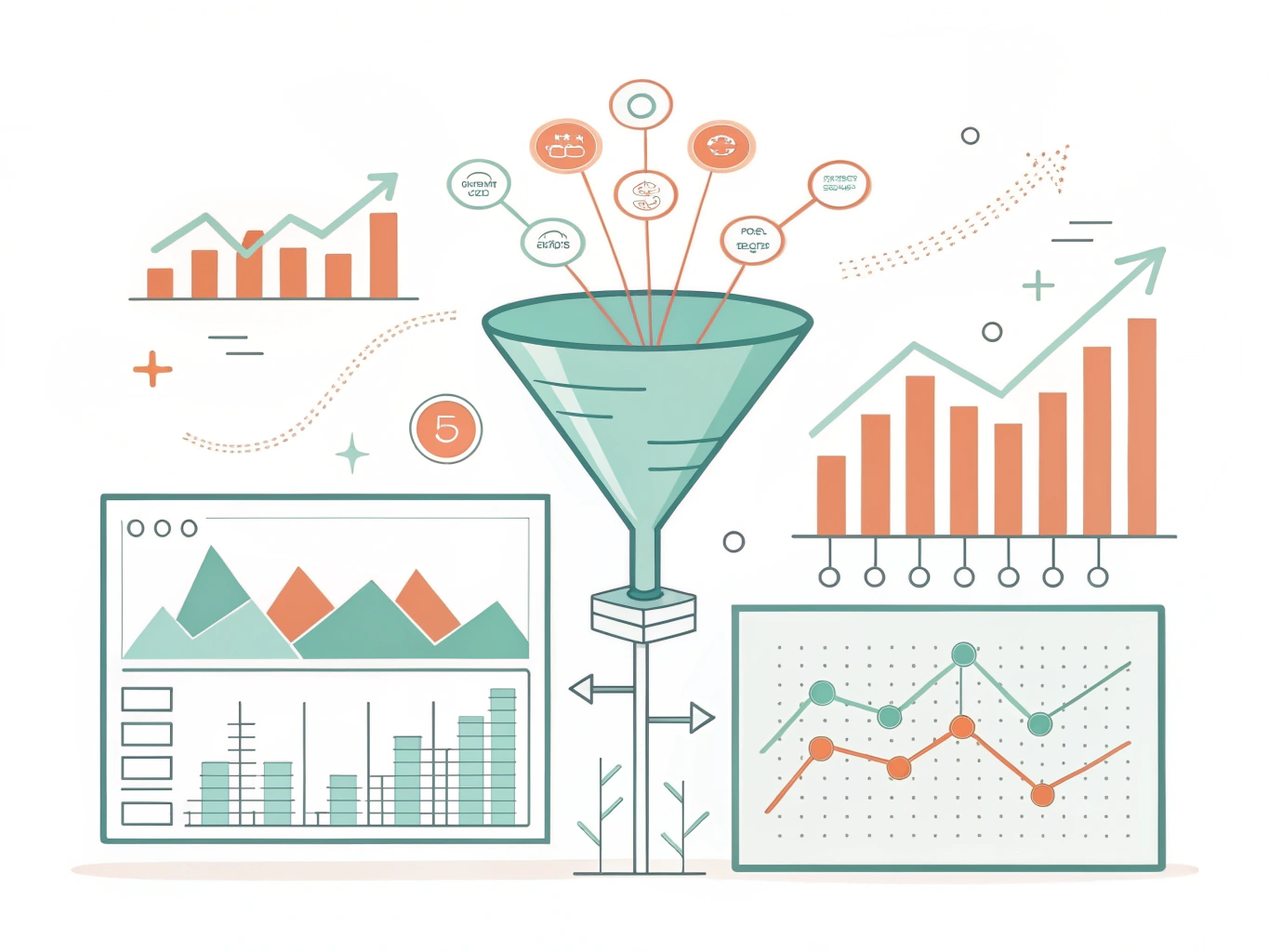
Beyond conversion rate, track bounce rate, average session duration, and click-through rates on your CTAs. These signals reveal friction points before visitors leave. For e-commerce, cart abandonment deserves obsessive attention; even a 1% improvement in checkout completion translates directly to revenue.
Here's what stakeholders actually care about: ROI calculation. Calculate this simply: (Revenue from CRO - CRO Investment) / CRO Investment × 100. Align metrics like customer lifetime value (CLV) with your optimization efforts to show long-term business impact, not just short-term bumps.
Tools matter. Heatmaps and session replays expose user behavior patterns that raw numbers miss. Google Analytics 4 provides baseline data; specialized platforms like Optimizely or VWO enable A/B testing at scale. The combination gives you evidence-based insights rather than educated guesses.
Your competitors aren't guessing anymore. They're measuring, iterating, and winning. The question is whether you'll join them.
Common CRO Mistakes and How to Avoid Them
Here's the hard truth: most CRO programs fail not because the strategy is wrong, but because teams execute it poorly. Common CRO mistakes include running too many experiments at once, not waiting for statistical significance, and ignoring mobile experience. Each one tanks your results.
Running five tests simultaneously sounds efficient. It's not. You dilute statistical power, confuse causation, and learn nothing actionable. Pick one priority per sprint.
Jumping to conclusions before hitting statistical significance is equally destructive. A 15% lift after 200 conversions means nothing; you need thousands. Patience separates winners from noise-chasers.
Mobile deserves its own mention because ignoring it is inexcusable in 2026. Over 60% of traffic is mobile, yet teams still optimize desktop-first. Your mobile experience is your conversion experience.
Here's what actually works: document your entire CRO strategy. Only 39.6% of businesses have a documented CRO strategy, making it difficult to measure results and sustain progress. Write down your hypothesis, timeline, success metrics, and ownership. This prevents chaos and ensures continuity when team members change.
Don't copy competitors blindly either. What converts for them might flop for you. Test everything in your specific context.
The optimistic part: avoiding these pitfalls puts you ahead of 70% of your competition immediately. Your next quarter's growth is waiting.
FirstSearch
FirstSearch.AI Team