Ultimate Guide to SEO in E-Commerce for 2026: Proven Strategies
Last Updated: March 10, 2026
TL;DR - Key Takeaways for E-Commerce SEO Success in 2026
- Optimize for both traditional search and AI platforms like ChatGPT and Perplexity for maximum visibility
- Mobile-first design is non-negotiable; 68% of ecommerce traffic comes from mobile devices
- Product pages are conversion gold; focus on unique descriptions, schema markup, and fast load times
- Category pages drive more traffic than individual products; invest in comprehensive content
- Technical SEO foundations matter; average ecommerce sites score only 67/100 on performance metrics
Table of Contents
- What is E-Commerce SEO and Why It Matters in 2026
- Product Page Optimization: The Foundation of E-Commerce SEO
- Mobile-First Optimization: The Non-Negotiable Priority
- Technical SEO: Building the Foundation for Rankings
- Keyword Research and Strategy for E-Commerce Success
- Generative Engine Optimization (GEO) and AI Search Visibility
- Category Pages: The Traffic and Revenue Drivers
- Content Strategy: Mapping to the Buyer Journey
- Link Building and Authority for E-Commerce Sites
- FAQ: Common E-Commerce SEO Questions Answered
- Key Takeaways: Your E-Commerce SEO Action Plan
- Start Your E-Commerce SEO Journey Today with AI-Powered Insights
What is E-Commerce SEO and Why It Matters in 2026
E-commerce SEO is the strategic practice of optimizing your online store to rank higher in search results and, increasingly, across AI-powered discovery platforms. Unlike traditional SEO focused solely on Google rankings, modern e-commerce SEO encompasses visibility on ChatGPT, Perplexity, Claude, and other AI systems that now influence how customers find products.
Here's why this matters right now: organic search drives 43% of all ecommerce traffic and generates 23.6% of online orders, with an impressive 2.8% conversion rate that outperforms social media and email. That's not just traffic; that's qualified, revenue-generating traffic.
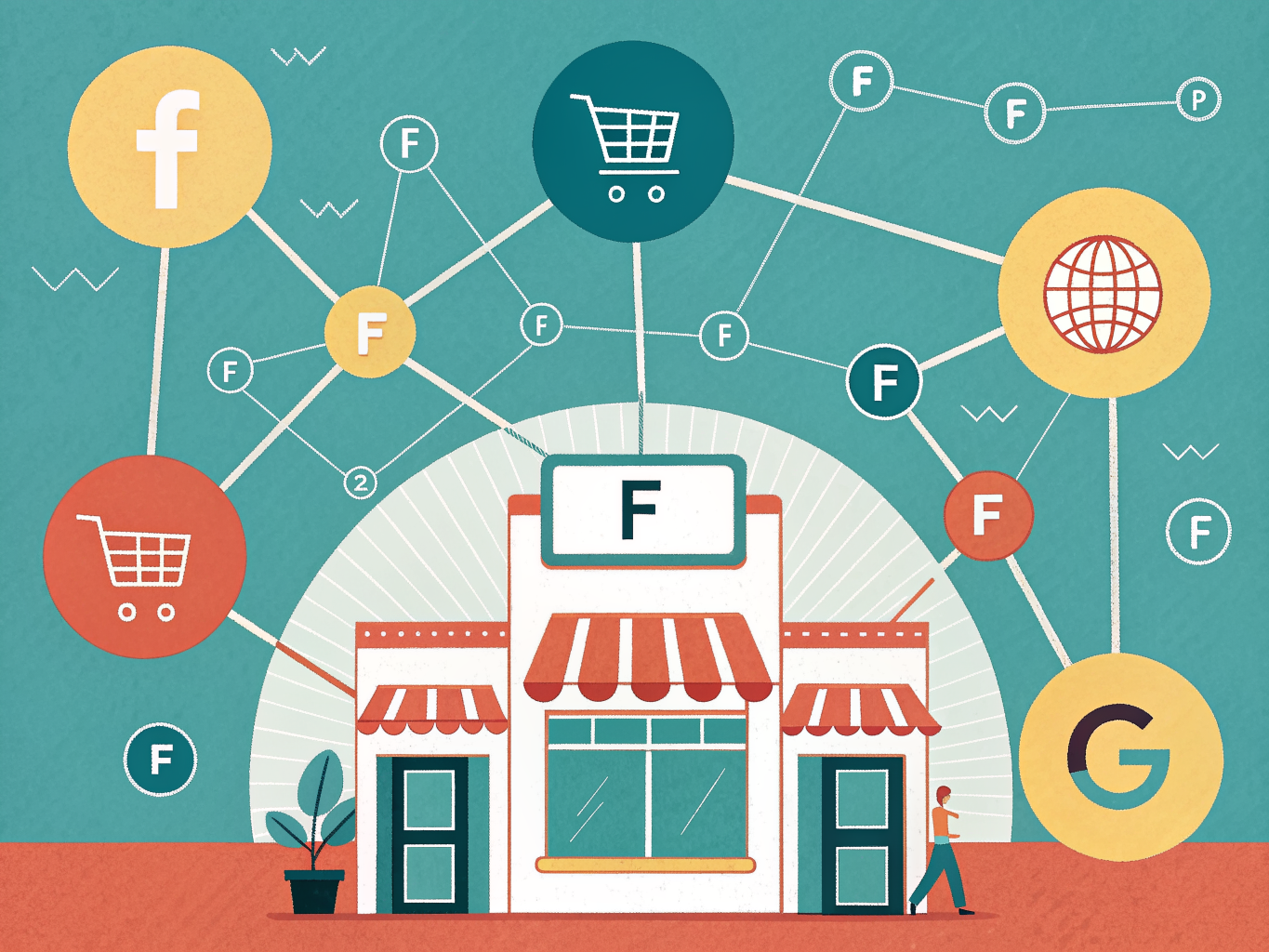
The shift from Google-only rankings to multi-platform discovery across AI platforms has fundamentally changed the game. Your competitors are already adapting. The brands winning in 2026 understand that SEO investments compound over time, building authority and customer trust that paid ads simply cannot replicate.
Without a deliberate e-commerce SEO strategy, you're leaving substantial revenue on the table. Your product pages are invisible where customers actively search. Your content doesn't answer the questions that drive purchase decisions. Your competitors capture the organic traffic and orders that should be yours.
The opportunity is urgent but absolutely achievable. This guide walks you through the complete playbook for 2026: from technical foundations to AI-ready content strategies that position your store for sustainable growth.
Product Page Optimization: The Foundation of E-Commerce SEO
Your product pages are where SEO meets conversion, making them the most critical real estate on your entire e-commerce site. Get this right, and you'll capture both search visibility and customer intent simultaneously.
Start with strategic keyword placement. Research high-intent keywords your target customers actually search for, then place them naturally in your title tag (50-60 characters), meta description (150-160 characters), and H1 tag. These elements signal relevance to search engines while compelling clicks from SERPs. Don't keyword stuff; instead, write for humans first.
Unique product descriptions are non-negotiable. Duplicate content issues plague e-commerce sites, especially when manufacturers provide standard descriptions. Rewrite every description to highlight benefits, address customer pain points, and differentiate your offering. Include size guides, material specifications, and use cases. This approach satisfies both search algorithms and conversion-focused visitors.
Implement Product schema markup immediately. Proper schema helps Google and AI understand your products for rich results, enabling featured snippets, knowledge panels, and better visibility in AI-powered search. Include price, availability, ratings, and inventory status. This becomes increasingly important as search behavior evolves beyond traditional rankings.
Handle duplicate content strategically using canonical tags. If you offer the same product in multiple colors or sizes, use self-referencing canonicals to consolidate ranking signals to your primary product URL. This prevents fragmentation and strengthens your authority for that product.
Don't overlook image optimization. Rename image files with descriptive keywords, add alt text that describes what users see, and compress files for faster load times. Images matter for accessibility, user experience, and image search visibility.
Finally, structure your product pages consistently. Use logical heading hierarchies, bullet points for specifications, and clear CTAs. Consistency helps both crawlers and visitors navigate your catalog efficiently.
Product page optimization isn't just an SEO tactic; it's the foundation of sustainable e-commerce growth. When done right, these pages work harder than any other content on your site.
Mobile-First Optimization: The Non-Negotiable Priority
Mobile traffic now dominates e-commerce. 68% of all ecommerce traffic comes from mobile devices, with 75% of website traffic originating from mobile. Yet here's the problem: mobile users convert 15% less frequently than desktop visitors, and cart abandonment hits 85.7%. This gap isn't accidental. It's a signal that your mobile experience needs immediate attention.

Page speed is non-negotiable. Google's Core Web Vitals directly impact both search rankings and user behavior. A one-second delay in mobile load time can crush your conversion rate. Optimize images aggressively, minimize JavaScript, and leverage browser caching. Every millisecond matters.
But speed alone won't fix your mobile problem. Your checkout process needs ruthless simplification. Large, tappable buttons; single-page or one-click payment options; minimal form fields. Mobile users are impatient by nature. Remove friction at every step.
Here's an often-overlooked opportunity: featured snippets achieve a 42.9% click-through rate compared to 39.8% for standard first-position rankings. Mobile users rely heavily on these quick answers. Structure your product descriptions and FAQs to target snippet opportunities.
Mobile-first optimization isn't a trend anymore. It's survival. Your competitors are already optimizing aggressively. The brands winning in 2026 aren't just ranking on mobile; they're converting at scale on mobile. If your mobile experience feels like an afterthought, you're already losing revenue.
Technical SEO: Building the Foundation for Rankings
Technical SEO is where most e-commerce sites stumble, yet it's the foundation that determines whether search engines and AI systems can even find your products. Without it, the best content and marketing strategies fail before they start.
Start with site architecture. Your product pages should sit no more than three clicks from your homepage. This isn't arbitrary; it signals to crawlers that these pages matter. Organize by category, then subcategory, then individual products. A flat structure confuses both algorithms and users.
Pagination demands attention because deeper product listings often go undiscovered. Making pagination crawlable and indexable ensures products are discoverable in deeper listings. Use rel="next" and rel="prev" tags, and submit XML sitemaps that explicitly list paginated URLs. Your robots.txt file should allow crawlers access to these pages without restrictions.
Canonical tags prevent duplicate content issues that plague e-commerce sites. When you have the same product accessible via multiple URLs (filtered views, session parameters, mobile variants), canonicals tell search engines which version is authoritative. This prevents wasted crawl budget on duplicates.
Schema markup is non-negotiable. Implement Product, Offer, AggregateRating, and Review schemas so search engines understand your product data without guessing. This structured data feeds AI systems and helps you appear in rich snippets.
Core Web Vitals directly impact rankings. Average e-commerce sites achieve only 67/100 Google Lighthouse score; 70.5% need improvement. Focus on page speed (Largest Contentful Paint), interactivity (Interaction to Next Paint), and visual stability (Cumulative Layout Shift). Compress images aggressively, minify code, and leverage browser caching.
Why does this matter more in 2026? AI indexing systems require clean, crawlable code to understand your site's structure and content. Technical flaws don't just hurt traditional rankings; they reduce your eligibility for AI-powered search features entirely. Fix these fundamentals first, then layer on content and link strategy.
Keyword Research and Strategy for E-Commerce Success
E-commerce keyword research demands a fundamentally different approach than general SEO. While informational content targets awareness, your product pages need to capture buyers ready to convert. That's why long-tail keywords convert at 2.5x the rate of broader terms, and focusing on commercial intent keywords delivers the strongest ROI.
Start by organizing keywords into five strategic buckets:
Category keywords target broad product types ("running shoes"). These establish authority but typically convert lower. Product-level keywords get specific ("men's Nike Air Max running shoes"), where conversion intent rises significantly. Long-tail keywords are your conversion goldmine; they're specific, less competitive, and attract searchers who know exactly what they want.
Commercial keywords include modifiers like "buy," "discount," or "best price." These indicate purchase intent and should dominate your strategy. Finally, problem-solution keywords address customer pain points ("best shoes for flat feet"), bridging discovery and purchase.
The numbers tell the story: the average e-commerce brand ranks for 1,783 organic keywords, driving approximately 9,625 monthly visits. But distribution matters more than volume. A concentrated strategy targeting high-intent keywords outperforms scattered rankings across mediocre terms.
Use Google Keyword Planner for search volume, SEMrush or Ahrefs for competitive analysis, and Google Merchant Center Insights for actual shopper behavior on your site. Don't ignore seasonal patterns either; seasonal keywords can see interest spikes up to 400%, so plan inventory and content around these peaks.
Your keyword strategy should reflect the customer journey. Early-stage searchers need problem-solution content; mid-funnel shoppers want comparisons; bottom-funnel visitors are ready to buy. Map keywords accordingly, and you'll build an SEO engine that doesn't just drive traffic but generates revenue.
Generative Engine Optimization (GEO) and AI Search Visibility
The search landscape is shifting faster than most e-commerce teams realize. While traditional SEO focuses on ranking positions, a new priority has emerged: ensuring your products and brand appear in AI-generated answers across platforms like Google's AI Overviews, ChatGPT, and Perplexity.
This is Generative Engine Optimization (GEO), and it's no longer optional.
Here's the reality: 60% of Google searches don't result in clicks, with AI Overviews capturing many of these queries. But here's the opportunity most brands miss: being cited in an AI Overview can boost traffic by 35% despite zero-click searches. That means visibility without traditional click-through rates still drives measurable revenue.
To win in GEO, focus on three core areas.
First, strengthen your E-E-A-T signals. Experience, Expertise, Authoritativeness, and Trustworthiness aren't just buzzwords anymore; they're how AI systems decide which sources to cite. E-E-A-T and trustworthiness are crucial differentiators in competitive markets. Include author credentials, customer reviews, certifications, and clear sourcing for any claims you make.
Second, optimize your product feeds for AI comprehension. Structured data matters more than ever. AI systems need to understand your products' context, specifications, pricing, and availability instantly. Rich, detailed product descriptions with clear formatting help AI platforms extract and cite your information confidently.
Third, write for AI readability. This means short paragraphs, clear headers, bullet points, and direct language. Skip the flowery exposition. AI systems favor concise, factual content that answers specific questions without padding. Your content should be scannable and information-dense.

The brands implementing GEO now will dominate AI search results in 2026. The question isn't whether to optimize for AI platforms; it's how quickly you can adapt.
Category Pages: The Traffic and Revenue Drivers
Most e-commerce teams obsess over product page rankings. That's a mistake. Well-optimized category pages generate more organic traffic and revenue than individual product pages, and they're significantly easier to rank because they target broader, higher-volume keywords earlier in the purchase journey.
Here's why this matters: when someone searches "best running shoes for flat feet," they're not ready to buy a specific model yet. They want education, comparison, and reassurance. A category page answers that question. A single product page doesn't.
Your category page strategy should blend multiple content formats. Include a buying guide explaining key features, comparison tables showing product variants side-by-side, and use-case descriptions addressing specific customer needs. This comprehensive approach keeps visitors on your site longer and signals to search engines that your page is an authoritative resource.
Internal linking is your leverage point here. From each category page, link strategically to relevant products using descriptive anchor text. This distributes authority down the funnel while creating a logical navigation path. Breadcrumb navigation serves double duty: it improves user experience and gives search engines clear site structure.
For large catalogs, pagination requires attention. Avoid blocking paginated pages from indexing; instead, use rel="next" and rel="prev" tags or implement infinite scroll with proper canonical tags. Search engines need to crawl your full inventory to understand your depth and relevance.
The revenue impact is concrete. Category pages reduce bounce rates, increase average order value through comparison exposure, and create ranking flexibility. When algorithm shifts happen, you're not dependent on hundreds of vulnerable product pages. You're anchored by authoritative category pages that weather updates better.
Start auditing your category pages this week. Most e-commerce sites have massive untapped potential sitting right here.
Content Strategy: Mapping to the Buyer Journey
Your content isn't just a collection of pages; it's a strategic system that guides shoppers from problem awareness to purchase. The key is aligning each piece with where buyers actually are in their decision-making process.
Start with the awareness stage. Here, potential customers don't know your brand yet. They're searching for solutions to problems your products solve. Create educational blogs, trend articles, and how-to guides that answer their questions without pushing a sale. A fitness e-commerce site might publish "Best Recovery Methods for Runners" or "How to Choose Your First Yoga Mat." These pieces rank for high-volume keywords and establish authority.
Move into the consideration stage. Buyers now know what they need; they're evaluating options. This is where comparison articles, roundups, and in-depth reviews shine. "Top 5 Running Shoes for Flat Feet: Compared" speaks directly to someone weighing choices. These pages convert browsers into serious prospects because they address specific concerns and objections.
Finally, the decision stage. Product pages, buying guides, and customer testimonials close the deal. Optimize these for transactional keywords; make them conversion-focused with clear CTAs, pricing, and social proof.
The real power emerges when you connect these stages through internal linking. A how-to guide naturally links to comparison content, which links to product pages. This creates a content funnel that guides users toward purchase while signaling to Google that your site offers comprehensive coverage.
Evergreen content like how-to guides maintains value indefinitely, but regularly publishing fresh content shows Google your site is active and relevant. This combination of timeless and timely content keeps your SEO momentum strong throughout 2026 and beyond.
Link Building and Authority for E-Commerce Sites
Link building for e-commerce requires a fundamentally different approach than content-heavy sites. You're not just building authority; you're directing that authority strategically toward conversion pages that actually generate revenue.
Start internally. Backlinko research shows that strategic internal linking from authoritative pages to product and category pages is essential for ranking high-value keywords. Link from your blog posts, buyer guides, and resource pages directly to relevant products. This distributes authority across your catalog while keeping users on a clear path to purchase.
For external links, digital PR and expert commentary work exceptionally well. 56% of high-traffic e-commerce sites use expert comments and reactive PR to build links from high-authority publications. Position your team as industry experts by commenting on news, trends, and competitor announcements in your vertical. This generates natural, contextual links without the awkwardness of pushing products.
Guest posting remains valuable, but be selective. Contribute to industry publications where your target customers actually read, not generic content networks. Include natural product references only when relevant to the article topic; forced links damage credibility and invite algorithmic penalties.
Avoid the temptation to scale link building through footer links, sidebar placements, or auto-generated directory submissions. Google actively targets these thin content patterns as spam signals. One high-quality link from a relevant industry site outperforms dozens of low-quality links.
Quality over quantity wins in 2026. Focus on links that actually matter: from sites your customers trust, about topics they care about, pointing to pages that convert.
FAQ: Common E-Commerce SEO Questions Answered
How long does ecommerce SEO take to show results?
Patience is essential. Most e-commerce sites see modest ranking improvements within 3-4 months, but meaningful traffic growth typically arrives between months 6-12. SEO ROI grows significantly between months 6 and 18, where content and links compound. This isn't a bug; it's how search engines validate authority over time.
Should I use Shopify, WooCommerce, or another platform?
The platform matters far less than your execution. WooCommerce and Shopify are nearly tied at 20.56% and 20.55% market share, and both rank well when optimized properly. Choose based on your technical comfort level and budget. Shopify offers simplicity; WooCommerce provides flexibility. Platform choice matters less than ability to execute consistently.
How do I handle duplicate content with product variants?
Use canonical tags to point variant pages toward the primary product page. This consolidates ranking signals without hiding inventory options from customers. For color or size variations, implement proper structured data so search engines understand the relationship between versions.
What's the ROI of ecommerce SEO compared to paid ads?
Paid ads deliver immediate clicks but dry up the moment you stop spending. SEO compounds over time. After month 12, organic traffic typically costs 60-70% less per acquisition than paid channels, while maintaining momentum long-term. The real advantage: owned traffic that doesn't depend on ad budgets.
How do AI Overviews impact my ecommerce traffic?
AI Overviews currently show for roughly 64% of searches and often don't include direct ecommerce links. Rank in the top 3 organic results to appear in source citations within these overviews. Focus on authoritative content that answers questions comprehensively, not just product listings.
What's the best way to optimize product images?
Compress files aggressively without losing quality, use descriptive alt text with relevant keywords, and implement schema markup for product images. Mobile-first indexing means image load speed directly impacts rankings. Lazy loading and WebP format are non-negotiable for 2026.
Key Takeaways: Your E-Commerce SEO Action Plan
Here's your action plan to move the needle on e-commerce SEO in 2026:
Start with product pages. These are your conversion engines. Audit every product page for clarity, keyword relevance, and persuasive copy. Product pages are where SEO meets conversion, the most critical real estate. Add schema markup to all of them immediately; rich results directly impact click-through rates and buyer confidence.
Fix your technical foundation. 70.5% of e-commerce sites are rated as "needs improvement" for performance, and that's costing you rankings and sales. Prioritize mobile-first design and aim for page load times under 3 seconds. Slow sites don't rank, period.
Map content to the buyer journey. Don't just optimize product pages. Build comparison guides, buying frameworks, and educational content around each stage: awareness, consideration, and decision. Category pages deserve the same attention as individual products.
Implement a monitoring system. Track technical health, page speed, and ranking movements weekly. Use tools that flag issues before they tank your visibility.
The timeline matters. Start with your top 20% of products by revenue this month. Expand to full catalog implementation over 90 days. Quick wins build momentum and prove ROI to stakeholders.
E-commerce SEO isn't about chasing algorithm updates anymore; it's about building systems that serve both search engines and customers. These steps work together. Start today.
Start Your E-Commerce SEO Journey Today with AI-Powered Insights
The data is clear: organic search drives 43% of all ecommerce traffic and 23.6% of orders. Yet most online stores leave this opportunity on the table by treating SEO as an afterthought rather than a core business function.
Here's what separates winners from the rest: they start now, not when rankings drop. Building proper SEO foundations takes time. Fixing them later costs significantly more in resources, lost revenue, and competitive ground. The best time to plant a tree was yesterday; the second best is today.
Your action plan is straightforward. First, audit your current site. Identify technical gaps, content weaknesses, and low-hanging fruit you can capitalize on immediately. Second, prioritize quick wins: fix critical on-page issues, optimize your top 20 products, and claim structured data opportunities. Third, build your long-term strategy around customer intent, competitive gaps, and sustainable growth.
Online stores implementing advanced SEO strategies see 412% increases in organic revenue. That's not hyperbole; that's the transformation that happens when you combine systematic optimization with data-driven decisions.
The 2026 playbook isn't complicated, but it does require consistency. AI-powered tools can accelerate your progress by automating audits, identifying opportunities, and monitoring performance at scale. You don't need perfection; you need direction and momentum.
Start this week. Audit your site. Pick one category to optimize fully. Watch what happens. The compounding returns from SEO typically unfold over months, not days, but the sooner you begin, the sooner you'll see results that matter.
FirstSearch
FirstSearch.AI Team