Automated SEO Recommendations: The Complete Guide to 2026
Last Updated: March 5, 2026
Key Takeaways
- Automated SEO recommendations analyze your site and prioritize fixes by impact, not volume
- Top tools integrate with Google Search Console and execute changes directly to your site
- Modern recommendations go beyond on-page SEO to include SERP tracking and AI visibility monitoring
- AI-powered recommendations save teams days of manual analysis work every month
- Success requires human review, strategy, and content quality alongside automation
What Are Automated SEO Recommendations?
Automated SEO recommendations are AI-powered suggestions that analyze your website and pinpoint specific actions to improve rankings. Unlike traditional SEO audits that dump a spreadsheet of problems in your lap, these tools prioritize recommendations, explain why they matter, and often execute changes directly on your site after you approve them.
Think of it this way: a standard audit tells you "your meta descriptions are too long." An automated recommendation tells you exactly which pages need fixing, shows you the optimal length for your industry, provides the rewritten copy, and can implement it automatically. That's the difference between identifying a problem and solving it.

The shift from manual analysis to continuous, intelligent optimization fundamentally changes how SEO works in 2026. Tools like Alli AI turn your CMS into an AI recommendation engine by installing a code snippet and providing automated suggestions you can approve or reject, while platforms like OTTO SEO execute full SEO tasks including strategies, audits, content rewrites, and competitor analysis directly from a conversational interface.
This matters because SEO is no longer a quarterly project. It's constant. Your competitors are moving fast, search algorithms evolve weekly, and your content strategy needs real-time adjustments. Automated recommendations give you the intelligence to stay ahead without hiring an army of analysts.
How Automated SEO Recommendations Work
Think of automated SEO recommendations like having a highly trained auditor who never sleeps. While you're managing your business, this tool works continuously, examining your website the same way Google's crawlers do.
Here's how the process unfolds:
The Foundation: Crawling and Data Extraction
Automated tools scan your website systematically, extracting critical signals. They analyze HTTP headers, meta tags, heading structures, content length, internal linking patterns, and page speed metrics including Core Web Vitals. This isn't random data collection; it's structured intelligence gathering that mirrors how search engines evaluate your site.
From Raw Data to Pattern Recognition
Raw data alone means nothing. A tool might identify 200 issues on your site, but which ones actually matter? This is where the intelligence layer kicks in. Machine learning models recognize patterns across your content, identifying which problems have the biggest impact on rankings. The system evaluates search intent behind user queries and spots content gaps where you're missing opportunities to capture traffic.
Real-Time vs. Deep Analysis
Immediate checks catch obvious problems: broken links, missing meta descriptions, 404 errors. But the real power emerges in deeper analysis. The tool compares your content structure against competitors, analyzes keyword relevance, and evaluates whether your content actually answers what users are searching for.
Prioritization That Actually Works
Quality automation solutions prioritize issues by severity and potential impact, generating actionable recommendations rather than overwhelming users with raw data. Instead of "fix 47 things," you get "fix these 5 items first because they'll drive the most ranking improvements."
The transformation from crawl data to recommendations requires understanding context. A short page might be perfect for a FAQ, but problematic for a pillar page. The best tools recognize these nuances, delivering recommendations tailored to your content type and business goals.
This intelligence layer separates tools that simply report problems from platforms that actually guide your SEO strategy forward.
The Role of Automated SERP Tracking
SERP tracking has evolved far beyond simple rank checking. Where traditional tools once reported daily position changes for target keywords, modern automated systems now capture the entire search results ecosystem. Automated SERP tracking monitors traditional rankings and SERP features such as featured snippets, People Also Ask, and image packs with daily ranking updates including screenshot verification. This granular visibility matters because ranking first means nothing if a competitor owns the featured snippet or dominates the People Also Ask section.
The real shift happening in 2026 involves AI visibility tracking. Your keywords no longer live only on Google's ten blue links. Modern SERP tracking measures brand visibility within AI-generated answers from ChatGPT, Google's AI Overviews, and Perplexity, automatically generating realistic conversational prompts around core keywords. If your content doesn't appear in these AI responses, you're invisible to a growing segment of searchers.
Here's where automated recommendations become powerful: tracking data feeds directly into your recommendation engine. When you notice a keyword dropped three positions after an algorithm update, the system identifies what changed on top-ranking pages. When a competitor suddenly claims your featured snippet, alerts trigger immediately, enabling your team to respond in hours rather than weeks.
This feedback loop transforms SEO from reactive guesswork into strategic intelligence. Automated alerts notify teams of ranking volatility, but more importantly, they surface patterns. Which content types maintain rankings during updates? Which SERP features convert best for your audience? Which AI platforms mention your brand most frequently?
The tools analyzing this data don't just report numbers; they connect the dots between your optimization efforts and actual ranking outcomes. That connection is what separates recommendations that actually move rankings from advice that sounds good but produces nothing.
Key Features of Advanced Recommendation Systems
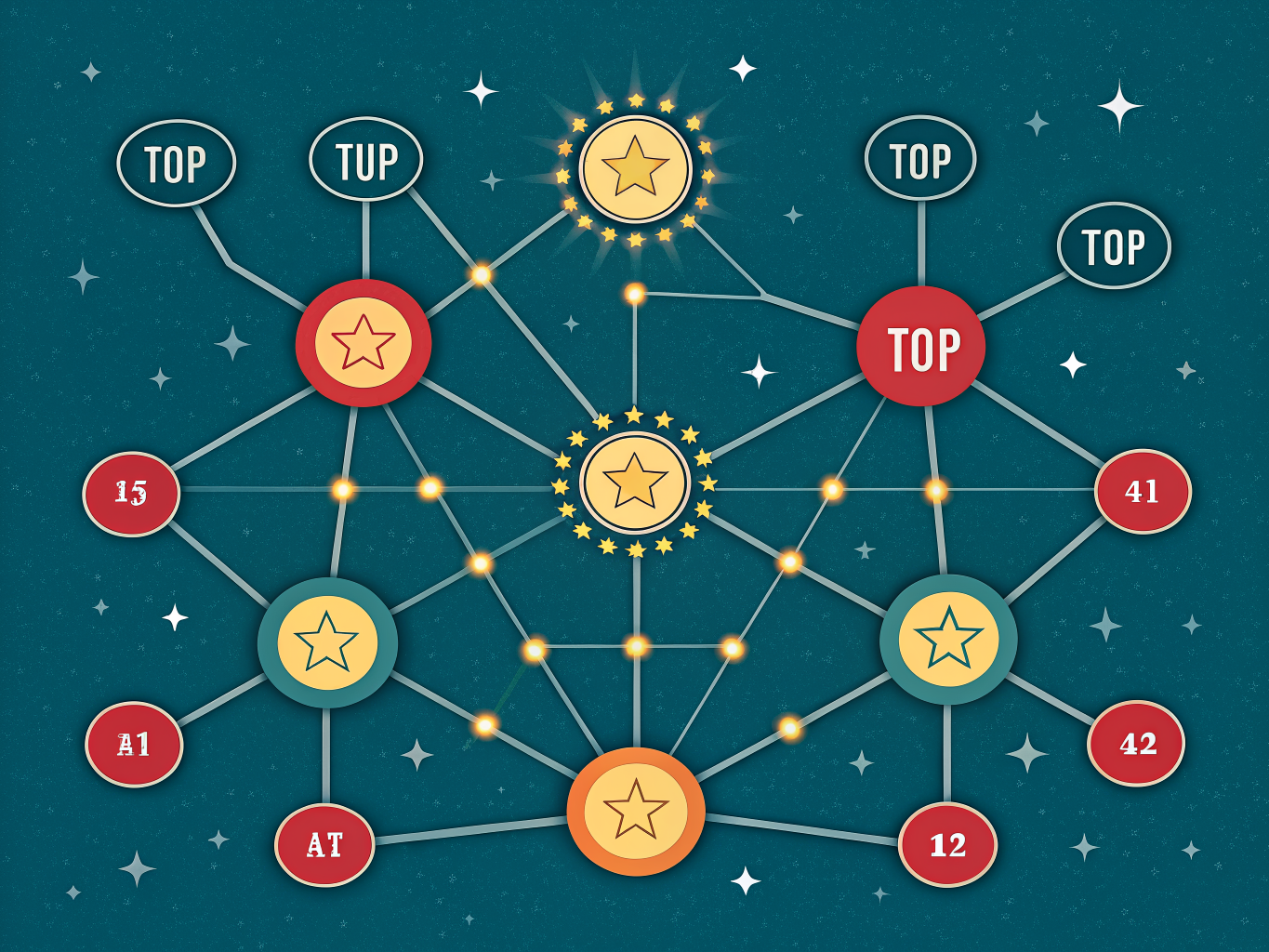
The best recommendation systems separate themselves through five critical capabilities that transform raw data into decisions you can actually implement.
Prioritization by Impact, Not Ease
Most tools surface recommendations in order of how easy they are to measure or fix. Real AI-driven SEO tools do three things well: comprehension of what your site is about, prioritization of opportunities by impact rather than ease of measurement, and guidance that explains what to do next in plain language. according to AI SEO tool analysis This means you're not wasting time on quick wins that barely move the needle; instead, you're targeting the 20% of changes that will actually shift your rankings.
Explainability That Makes Sense
A recommendation without context is just noise. Advanced systems explain why a particular change matters for your specific site, not generic SEO theory. You'll see something like: "Your target keyword 'project management software' appears in competitor headlines but not yours. Adding it to your H1 could improve CTR by an estimated 2-4%." That specificity matters when you're deciding where to allocate resources.
One-Click Execution
The friction between recommendation and implementation kills momentum. Tools like Alli AI allow you to edit, change, approve, or unapprove any automated recommendations, then if you approve them, they go live on your website in minutes. per SEO automation tool reviews No developer handoff. No waiting for a content calendar slot.
Data Integration
Isolated recommendations miss the full picture. Systems that pull from Google Search Console, Google Analytics, and your CMS create recommendations rooted in your actual performance data, not industry benchmarks.
Self-Improving Feedback Loops
The best systems learn which recommendations actually moved your rankings and adjust their future suggestions accordingly. This is what separates static checklists from intelligent advisors.
Implementing Automated Recommendations: Best Practices
Implementing automated recommendations effectively requires a structured approach that balances speed with strategic thinking. Start by connecting Google Search Console and Google Analytics to your SEO tool. This dual connection gives the system complete visibility into your search performance, user behavior, and technical health. Without these foundations, recommendations become generic rather than tailored to your actual business.
Here's the critical part: resist the temptation to auto-approve everything. Automated systems excel at identifying opportunities, but they can't assess brand voice, competitive positioning, or nuanced user experience decisions. Review high-impact changes before they go live. A recommendation to restructure your site architecture or rewrite core messaging deserves human validation.
Prioritize recommendations by business impact first, SEO metrics second. A tool might flag a technical fix that would theoretically improve crawlability by 3%, but if it affects revenue-generating pages, that takes precedence. Conversely, an easy win on a low-traffic page shouldn't occupy your team's bandwidth.
The real leverage emerges when you track which recommendations actually move the needle. What once took days of manual analysis now happens in minutes through AI-driven SEO automation, allowing teams to forecast how changes like new backlinks or headlines might influence traffic trends. Use this feedback loop to refine what your system recommends next. If certain recommendation types consistently generate rankings improvements, weight them higher.
Don't underestimate the communication value either. Automated reporting transforms scattered insights into clear stakeholder narratives. When clients or leadership see which recommendations delivered measurable results, support for SEO initiatives strengthens. This creates a virtuous cycle: better buy-in leads to faster implementation, which accelerates results.
The teams winning with automation aren't replacing human judgment; they're amplifying it. Your expertise identifies strategy and nuance. Automation handles the repetitive analysis and data synthesis. That division of labor is where ROI compounds.
Common Mistakes and How to Avoid Them
Here's the reality: automated SEO recommendations are powerful tools, but they're suggestions, not guarantees. The gap between what tools suggest and what actually moves rankings often comes down to human judgment.
AI-powered tools work by analyzing statistical patterns in massive datasets. They're excellent at surfacing opportunities fast and reducing manual legwork. But they can't read between the lines. Automated outputs often miss tone, nuance, or local context, and some users let AI-powered tools generate full pages only to end up with repetitive or generic text that fails to connect with readers. A recommendation to target a specific keyword might make statistical sense while completely missing your audience's actual search intent or your brand's voice.
The most common mistake is treating recommendations as gospel. Blindly implementing every suggestion can damage user experience, dilute your brand identity, and create content that ranks but doesn't convert. Tools interpret data mechanically, not strategically. They might flag a competitor's keyword opportunity without understanding why that competitor ranks or whether it actually fits your business model.
The second mistake is skipping editorial oversight. Fact-checking, relevance assessment, and quality review aren't optional steps you can automate away. They're essential. AI SEO tools are best viewed as assistants, not replacements, as they help surface opportunities faster and reduce manual work, but strategy, judgment, and content quality still benefit from human oversight.
The winning approach combines both: use automation to accelerate discovery and execution, but keep humans in charge of strategy, creativity, and final approval. Speed matters in SEO, but speed without judgment creates noise, not rankings. Your competitive edge isn't the tool; it's knowing when to follow recommendations and when to trust your expertise instead.
The Future of Automated SEO Recommendations

By 2026, automated SEO recommendations won't be a competitive advantage anymore. They'll be table stakes.
The shift is already underway. Traditional SERP tracking is evolving into something broader: modern SERP tracking now measures brand visibility within AI-generated answers from ChatGPT, Google AI Overviews, and Perplexity, making AI visibility tracking essential for any forward-thinking SEO strategy. Your rankings matter less if your content doesn't appear in the AI answers people actually read.
Predictive analytics will reshape how recommendations work. Instead of analyzing what happened last month, next-generation systems will forecast ranking impact before you implement changes. You'll see the predicted outcome, adjust your strategy, then execute with confidence. This shifts SEO from reactive to proactive.
Agentic systems represent the next frontier. These aren't just recommendation engines; they're autonomous executors that handle multi-step SEO strategies with human oversight. Imagine a system that identifies content gaps, generates optimized pages, builds internal links, and monitors performance, all while keeping you informed at critical decision points.
The personalization factor matters too. Generic recommendations work for nobody. The best systems will adapt to your specific business model, competitive landscape, and growth stage. A SaaS company's SEO strategy looks nothing like an e-commerce site's, and your tools should reflect that.
Here's the reality: automation handles the data processing and pattern recognition beautifully. But human strategy and creativity remain irreplaceable. The winners in 2026 will combine automated recommendations with genuine strategic thinking, using machines to amplify human expertise rather than replace it.
FAQ: Your Questions About Automated SEO Recommendations Answered
Do automated recommendations actually improve rankings?
Yes, but here's the honest truth: the tool identifies opportunities; your team executes the strategy. A recommendation sitting in your dashboard doesn't move the needle. What matters is implementation quality and strategic alignment. Think of it like a fitness tracker telling you to run more. The data is accurate, but you still have to lace up your shoes.
How much does this cost?
Pricing ranges from $50 to $500 per month depending on features and site size. Most platforms offer free trials, so you can test whether the recommendations actually match your needs before committing budget. Calculate ROI based on your current ranking positions and traffic goals, not just the tool price.
Can I skip hiring an SEO expert if I use automation?
Partially. Automated tools handle the heavy lifting of technical audits, content gap analysis, and performance tracking. What they can't do is understand your brand voice, competitive positioning, or long-term business strategy. You need human judgment for prioritization and creative execution. Think of automation as your analyst; you're still the strategist.
Which recommendations should I tackle first?
Good tools rank recommendations by potential impact on rankings and traffic. Start there. But also filter by feasibility and alignment with your business goals. A technically perfect recommendation that contradicts your brand strategy creates friction, not results.
Will automation replace SEO professionals?
No. Automation eliminates repetitive analysis and speeds up execution. Strategy, creativity, relationship-building, and nuanced decision-making remain distinctly human. The professionals who thrive are those who use automation to work faster, not those who ignore it.
What about AI visibility?
Modern tools now track how your content appears in AI-generated answers from ChatGPT, Perplexity, and Google AI Overviews. This is critical for 2026. Make sure your automation platform includes this visibility layer, not just traditional search ranking data.
Conclusion: Making Automated Recommendations Work for Your SEO Strategy
Automated SEO recommendations have fundamentally changed how teams approach optimization. Instead of drowning in spreadsheets of low-impact tasks, you now get a prioritized roadmap tied directly to ranking potential and business impact. That clarity alone saves months of wasted effort.
But here's what matters most: automation works best when it amplifies your team's expertise, not replaces it. Tools can identify that your homepage needs better structured data or flag content gaps at scale. They can execute changes, monitor SERP shifts in real time, and track AI visibility across search results. What they can't do is understand your brand voice, competitive positioning, or why certain strategic bets matter to your business.
The teams winning in 2026 aren't choosing between automation and human judgment. They're combining both. They use smart analysis techniques to surface what matters, then apply strategic thinking to decide how and when to act. They leverage machine learning for content optimization while maintaining editorial control.
Automated recommendations have become table stakes. Your competitors are already using them. The question isn't whether to adopt automation; it's whether you'll use it strategically to compound your advantages.
Start by auditing your current workflow. Where are you still manually analyzing data that automation could handle? Where are you making decisions without enough information? That's where modern tools create the biggest impact. Your competitive edge in 2026 depends on it.
FirstSearch
FirstSearch.AI Team